Culture news and discussion on TalkFuse.
Judge Questions Legal Points of Paramount’s Settlement With States at Hearing, Says a Ruling Will Come in ‘Due Course’
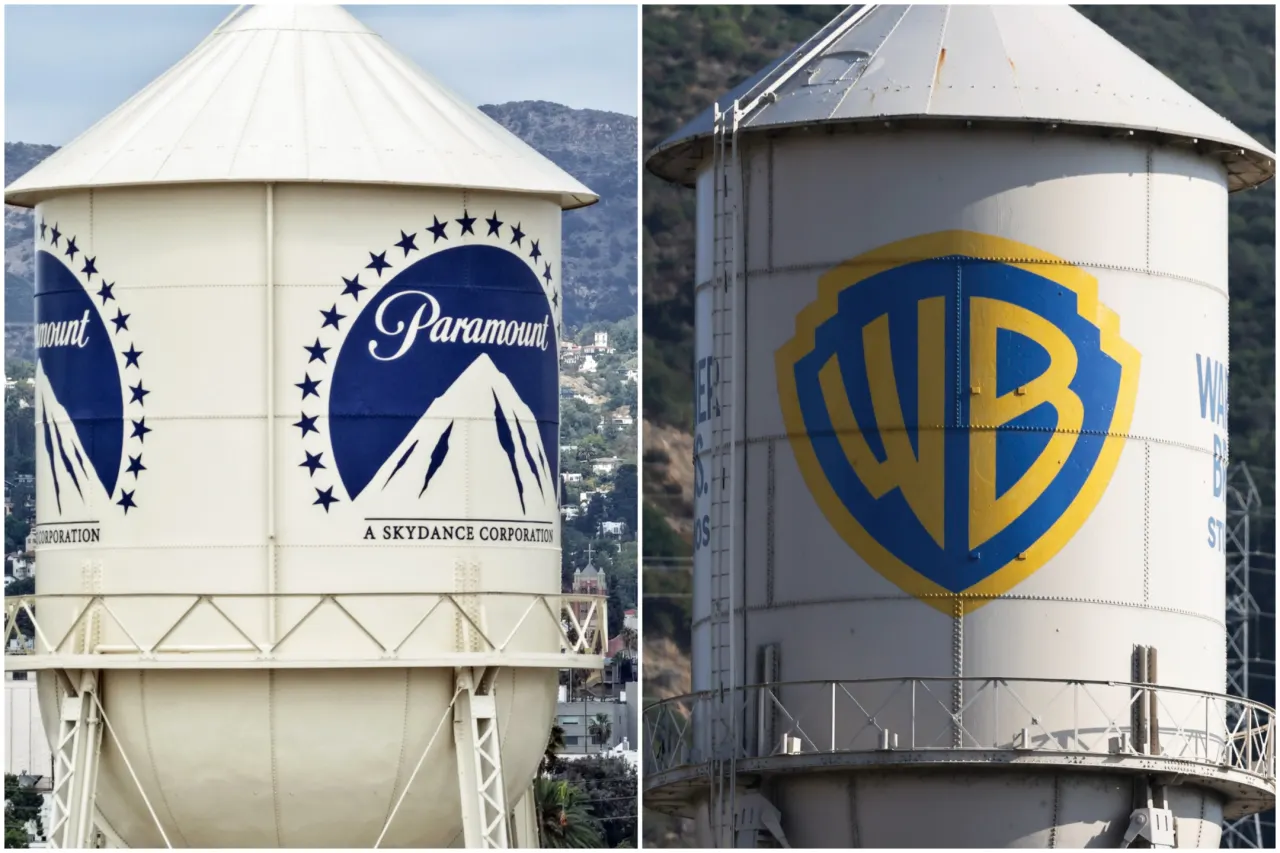
A US judge has questioned the legal basis and fairness of a proposed settlement allowing Paramount’s merger with Warner Bros. Discovery to proceed, stressing that the court would not simply approve the agreement automatically. Judge Araceli Martínez-Olguín has not given a timetable for her decision, saying it would come in “due course”, while requesting responses to Senator Cory Booker’s call for an independent public-interest review.
The settlement was reached by Paramount and 12 state attorneys general, who argued that blocking the merger permanently could leave Warner Bros. Discovery seeking another partner, whereas the proposed remedies would address competition concerns for five years. Booker criticised the absence of a competitive-impact statement, public comment period and formal input from affected groups, while Paramount opposed his submission; the hearing also examined whether the settlement resulted from an arm’s-length process rather than collusion.
In short
- Judge has not yet approved Paramount’s proposed merger settlement.
- Parties must respond to Senator Booker’s review request by Monday.
- Settlement remedies would remain in force for five years.
Steelman: both sides, in good faith
The strongest fair case each way — we don't pick a winner.
The case for
The settlement may be a practical way to address competition concerns while allowing the merger to proceed, rather than risking that Warner Bros. Discovery pursues another deal with potentially less suitable safeguards. Its supporters can argue that negotiated remedies, monitored over five years, offer a proportionate response and that the state attorneys general are positioned to assess the public interest without adding a separate review process.
The case against
Critics can argue that a merger with significant competition implications deserves transparent scrutiny before a settlement is approved, including a competitive-impact statement, public comment and input from affected groups. They may also question whether five-year remedies adequately protect competition and whether the agreement was reached through a genuinely independent, arm’s-length process.
Explained simply
Paramount and Warner Bros. Discovery are large entertainment companies whose businesses include film and television studios and streaming services. A merger would bring parts of their operations under common ownership, raising questions about how much competition would remain in the media industry.
In the United States, state attorneys general can challenge deals they believe may harm competition and can negotiate settlements with companies. Here, 12 states agreed to a proposal involving remedies intended to address competition concerns for five years; Senator Cory Booker has asked for an independent review of its public-interest effects.
The court’s role is to assess the proposed settlement and the legal process behind it. The case matters because the outcome could affect the companies’ ownership plans and how competition concerns in major media mergers are handled.
Art Business Companies Culture Research Science