Judge Rules White House Can’t Proceed With Trump’s Ban On CNN, MS NOW & Politico
Developing story first seen 2 hours ago
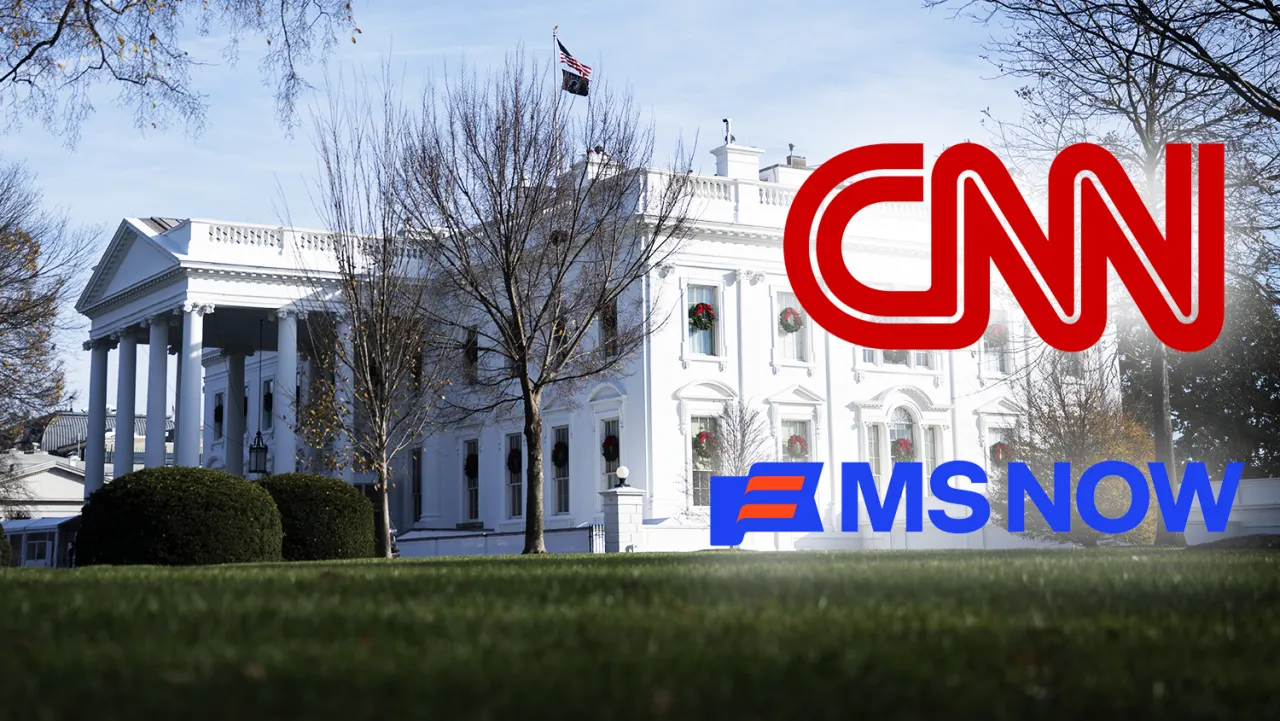
Judge Timothy Kelly has issued a preliminary injunction preventing the Trump administration from enforcing its ban on CNN, MS NOW and Politico’s access to White House grounds. The ruling extends protection beyond a temporary order and remains in force until a trial or appeal, after the outlets warned the ban could otherwise be reinstated.
Kelly said the outlets are likely to succeed on due process and First Amendment claims, while stressing that the decision does not dismiss concerns about accuracy or the government’s ability to protect national security. The administration deactivated reporters’ hard passes on 19 September, a day after Trump announced the ban; letters explaining the reasons arrived four days later. The government cited national security and professionalism, while the judge pointed to Trump’s remarks and the timing of the pass revocations as evidence supporting claims of retaliation and viewpoint discrimination.
- A preliminary injunction blocks enforcement of the White House ban.
- CNN, MS NOW and Politico are likely to succeed on key claims.
- The case may proceed to trial or appeal.
New here? Start with this
The White House is the centre of the US president’s administration, and journalists are given access to report on its activities and question officials. Access can include entry to press briefings and other areas of the grounds.
CNN, MS NOW and Politico are US news organisations. The First Amendment to the US Constitution protects freedom of speech and the press, while due process generally requires the government to follow fair procedures when restricting someone’s rights.
Disputes over press access concern how the government manages the White House grounds and how journalists can report on the president. They can also raise questions about the balance between press freedoms and the government’s responsibility to protect national security.
Both sides, in good faith
The strongest fair case each way — we don't pick a winner.
The case for
The White House should not exclude news organisations from its grounds because of disputes over their accuracy or fairness; doing so risks punishing critical coverage and limiting the public’s access to information. Requiring due process and respecting First Amendment protections helps ensure that access decisions are made fairly and do not depend on a publication’s viewpoint.
The case against
The administration can argue that access to White House grounds is subject to legitimate rules and that it has a duty to protect national security, including when classified information is unlawfully disclosed. If it has evidence that particular outlets’ conduct poses a serious risk, it may say proportionate restrictions are justified, provided they follow fair procedures and do not simply penalise criticism.