Culture news and discussion on TalkFuse.
Judge rules Wisconsin voters can’t recast ballots after governor race shake-up
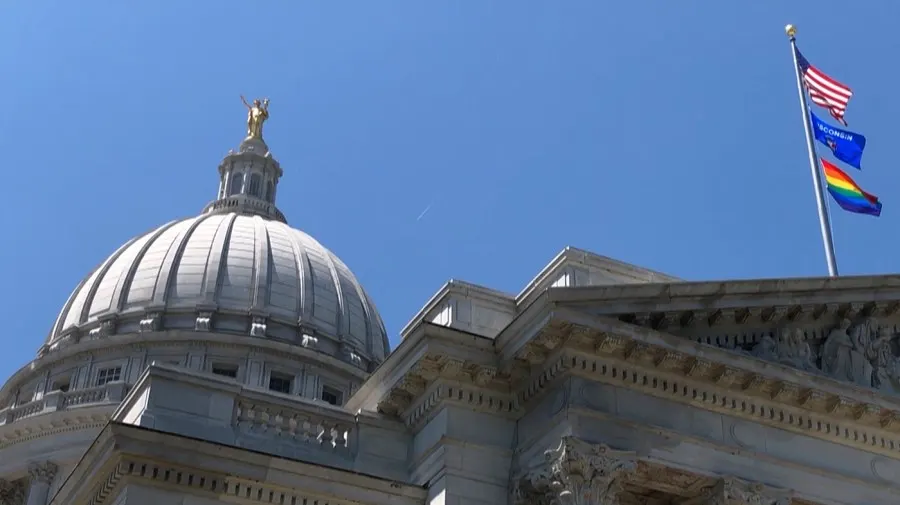
A Wisconsin judge has ruled that voters cannot recast ballots already submitted in the state’s governor’s race after a change to the contest. The decision matters because it limits voters’ ability to alter absentee ballots when a candidate withdraws or the political situation shifts after they have voted.
The ruling concerns ballots cast before the change in the gubernatorial contest, although the available article text does not provide further details about the candidate or timing. It reinforces the principle that once a completed ballot has been submitted, election officials are not required to issue a replacement ballot.
In short
- Wisconsin voters cannot replace submitted governor-race ballots.
- A judge rejected efforts to recast votes after changes.
- The ruling affects absentee ballots already returned.
Steelman: both sides, in good faith
The strongest fair case each way — we don't pick a winner.
The case for
Keeping submitted ballots final protects the integrity and orderly administration of elections. It gives officials a clear rule to apply, avoids uncertainty about which ballot counts, and treats voters consistently regardless of later changes in the contest.
The case against
Allowing voters to replace an absentee ballot after a major change in the contest could help ensure their vote reflects their current choice. Supporters of that option may argue that, where practical safeguards can prevent duplicate or disputed votes, giving voters a chance to reconsider better serves meaningful participation.
Explained simply
Wisconsin's governor's race has sparked a legal dispute over voting rights. A judge has ruled that voters in the state cannot request new ballots to replace ones they have already cast and submitted, even though the race itself has changed. The decision establishes an important boundary for election rules in the state.
The race changed after some voters had already cast absentee ballots, which are submitted before election day. Those voters might have wanted to submit new votes in light of the change, but the judge's ruling prevents election officials from issuing replacement ballots. This decision limits what options voters have if they wish to alter their choices after voting.
The ruling reinforces an established principle in election law: once a ballot has been submitted to election officials, it is generally treated as final. Voters have no legal right to reclaim and redo their ballot, even if events after voting lead them to reconsider their choices. The decision confirms that this principle applies even when the political race itself has shifted.
Art Culture Elections Politics