Culture news and discussion on TalkFuse.
Judge Says Donald Trump Can Amend Complaint In Defamation Lawsuit Against The New York Times
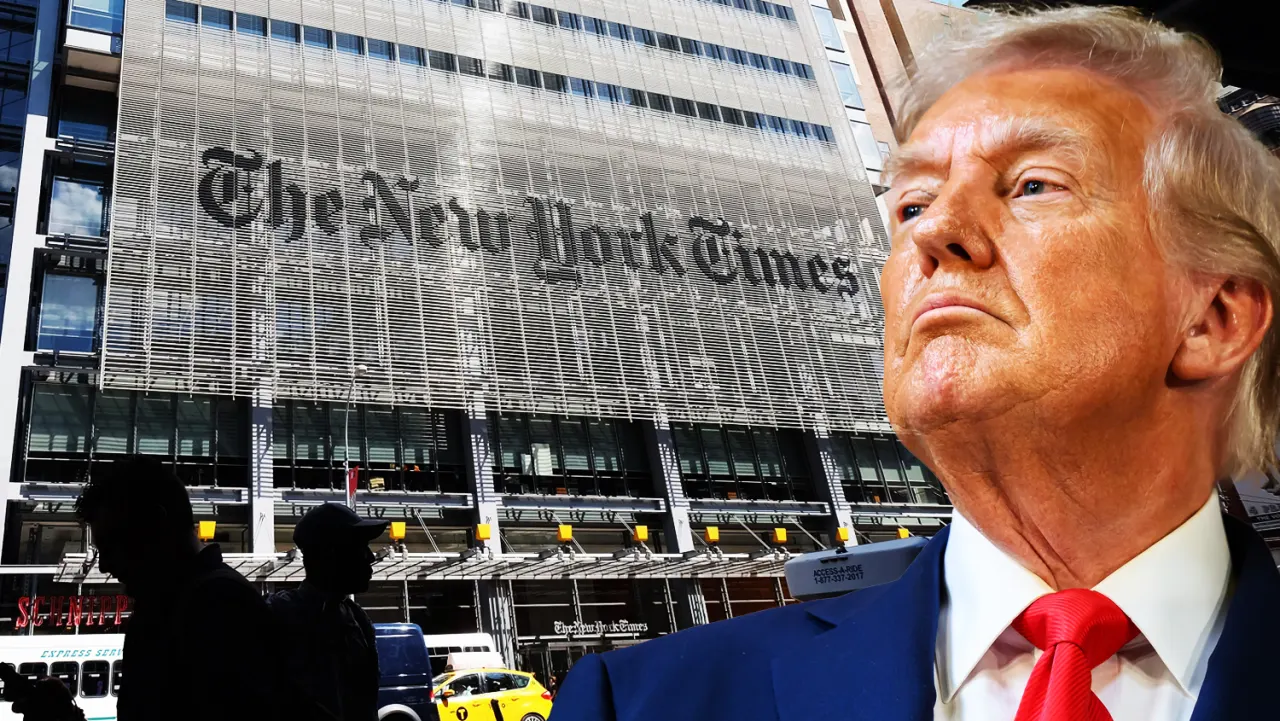
A federal judge has given Donald Trump until 27 August 2026 to file a fresh amended complaint in his defamation lawsuit against The New York Times, after the newspaper sought to have the case dismissed. The ruling keeps alive litigation that centres on claims Trump's celebrity status was manufactured largely through NBC's The Apprentice, rather than being of his own making, and it matters because it tests the limits of "actual malice" standards for public-figure defamation claims against major media organisations.
US District Judge Steven Merryday had previously thrown out Trump's original September lawsuit but allowed him to refile, resulting in an October amended complaint targeting specific passages from a Times article by Susanne Craig and Ross Buettner, their book Lucky Loser, and a piece by Peter Baker, with Penguin Random House also named as a defendant. The Times argued the case was filed in the wrong venue, Florida rather than New York, and that Trump had failed to plausibly allege actual malice, saying many disputed statements were subjective interpretations of undisputed facts. Following a hearing last week, the judge granted Trump's team time to address these deficiencies; Trump claimed vindication on Truth Social, while a Times spokesperson said the ruling offered no support for the "frivolous accusations" in his earlier complaint.
In short
- Judge gives Trump until 27 August to refile amended NYT defamation complaint
- Case concerns claims his fame stemmed from The Apprentice, not himself
- NYT sought dismissal citing wrong venue and lack of "actual malice"
Steelman: both sides, in good faith
The strongest fair case each way — we don't pick a winner.
The case for
Public figures retain the right to challenge demonstrably false factual statements made with reckless disregard for truth. If The New York Times published specific assertions about Trump's background, wealth or the origins of his fame that are provably false and were made without proper verification, this constitutes actionable defamation under established law. The distinction between protected opinion and verifiable fact matters considerably, and discovery may well reveal that proper journalistic standards were not met.
The case against
The actual malice standard exists specifically to protect journalists and publishers from the chilling effect of litigation when covering public figures, who must accept greater scrutiny as a consequence of their prominence. Much of what Trump disputes appears to be interpretive analysis grounded in undisputed facts rather than false factual assertions; even where reasonable disagreement exists about conclusions drawn, courts must be cautious about weaponising defamation law in ways that would suppress legitimate investigative journalism and impede the robust public debate essential to democracy.
Explained simply
Donald Trump has sued The New York Times, claiming its articles made false statements about how he became famous. What is at issue is whether Trump built his celebrity through his own business activities or whether it was instead largely created by NBC's television programme The Apprentice.
Defamation cases brought by public figures against news organisations are exceptionally difficult to win in the United States. The law requires public figures to prove that a publisher acted with "actual malice" – meaning the publisher either knew a statement was false or acted with reckless disregard for whether it was true. This case will test how strictly courts apply that legal standard to disputes about matters of public interest.
Trump filed his original complaint in September, but a federal judge dismissed it while allowing him to submit a revised version with additional detail. The New York Times has argued the lawsuit should be dismissed, maintaining that Trump has not presented enough evidence of actual malice and questioning whether Florida courts have proper jurisdiction over the case.