Politics news and discussion on TalkFuse.
Judge sets March retrial date for Lindsay Clancy in deaths of her 3 children
Developing story first seen 10 hours ago
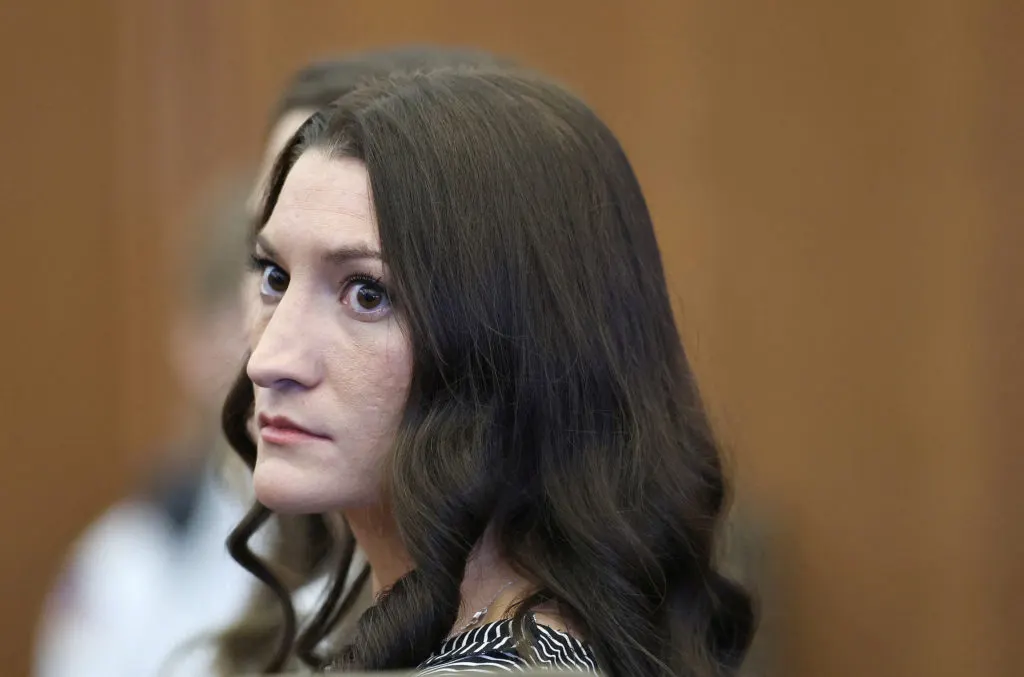
A Massachusetts judge has set Lindsay Clancy’s retrial for 29 March, bringing the case back to court after her first trial ended without a verdict. Prosecutors said they were ready to choose a jury, which Clancy’s lawyer interpreted as a sign they intend to pursue the first-degree murder charges again.
Prosecutors had asked for a May date, citing scheduling conflicts, but the judge chose an earlier date. In the first trial, 11 jurors favoured acquitting Clancy on grounds of insanity and one disagreed. Clancy’s lawyers say she had postpartum psychosis; prosecutors argue she planned the killings and understood her actions. The judge recently rejected the defence request to dismiss the charges, ruling a retrial would not violate double jeopardy protections.
- Sources
- 2
- Outlets
- 2
- Left · Centre · Right
- 0 · 2 · 0
In short
- Retrial set for 29 March.
- Prosecutors appear set to pursue first-degree murder charges.
- The first jury split 11 to one on insanity.
How this story developed
- 4 hours ago A Massachusetts judge has scheduled Lindsay Clancy’s retrial for 29 March, after her first trial ended in a mistrial when jurors could not agree on whether she was criminally responsible for killing her three children.
- 5 hours ago A Massachusetts judge has set Lindsay Clancy’s retrial for 29 March, bringing the case back to court after her first trial ended without a verdict.
Full account
A Massachusetts judge has set 29 March 2027 for Lindsay Clancy’s retrial over the deaths of her three children. The first trial ended in a mistrial in September, after the jury could not reach a unanimous verdict on whether she was criminally responsible. The retrial date was set at a hearing in Plymouth on Monday.
Prosecutors said they were ready to schedule a jury trial but did not publicly confirm which charges they intend to pursue. Clancy’s lawyer, Kevin Reddington, said he understood the request for a jury to indicate that the prosecution plans to bring the first-degree murder charges again. The judge chose a March date over the May date sought by prosecutors, who cited scheduling conflicts.
Clancy, a former labour and delivery nurse, has not disputed that she killed her children at the family home in Duxbury in January 2023. Cora was five, Dawson was three and Callan was eight months old. The defence says she was experiencing severe postpartum psychosis and sought a finding of not guilty by reason of insanity, known in Massachusetts as lack of criminal responsibility. Prosecutors argued at the first trial that the killings were planned and that Clancy understood her actions.
A week before the hearing, Judge William Sullivan rejected the defence’s bid to dismiss the case on double-jeopardy grounds, allowing a retrial to proceed. Lawyers are due back in court on 30 December to discuss arrangements for the trial, including security and media access. The case has drawn attention to the treatment of postpartum mental illness in the United States.
Where outlets differ
From the full account, which is AI-written from the sources:
The Associated Press reports that prosecutors have not publicly stated whether they will pursue the same charges, and focuses on the hearing and scheduling dispute. The BBC likewise says the charges remain unconfirmed, but explains the distinction between first- and second-degree murder and adds details about the children and the circumstances described at the first trial.
The BBC describes the hung jury as having deadlocked over the insanity question and reports that some jurors later said eleven were prepared to find Clancy not criminally responsible. The Associated Press gives the split as eleven in favour of acquittal on insanity grounds and one opposed.
The BBC says Judge Sullivan declared the mistrial on 4 September and notes that he is due to retire in June. Those details are not included in the supplied AP report.
Steelman: both sides, in good faith
The strongest fair case each way — we don't pick a winner.
The case for
The prosecution can argue that the charges should be decided by a jury because the first trial ended without a verdict, and the judge has ruled that a retrial is legally permissible. Its case, as reported, is that Clancy planned the killings and understood her actions; a retrial would let jurors assess that evidence and give proper weight to the gravity of the deaths.
The case against
The defence can argue that Clancy’s reported postpartum psychosis may have left her criminally insane, so the central question is her mental state rather than the horror of the outcome. Eleven jurors in the first trial favoured acquittal on insanity grounds, suggesting substantial doubt that deserves a fresh, careful hearing; the defence may also contend that pursuing the charges again risks punishing someone whose illness impaired her responsibility.
Explained simply
Lindsay Clancy is a Massachusetts woman charged in the deaths of her three young children in 2023. The case is being heard in criminal court, where prosecutors must prove the charges and the defence can challenge the evidence.
Clancy has pleaded not guilty. Her lawyers say she was experiencing postpartum psychosis, a serious mental health condition that can develop after childbirth, and argue she was legally insane; prosecutors say she planned the killings and understood what she was doing.
The first trial ended without a verdict because the jurors could not reach a unanimous decision. In US law, a hung jury can lead to another trial, and the judge has ruled that trying Clancy again would not breach the constitutional protection against being tried twice for the same offence.
Coverage · 2 sources
Bias meters
From 2 rated sources.