Theatre makers rely on suggestion and shared fear to unsettle audiences
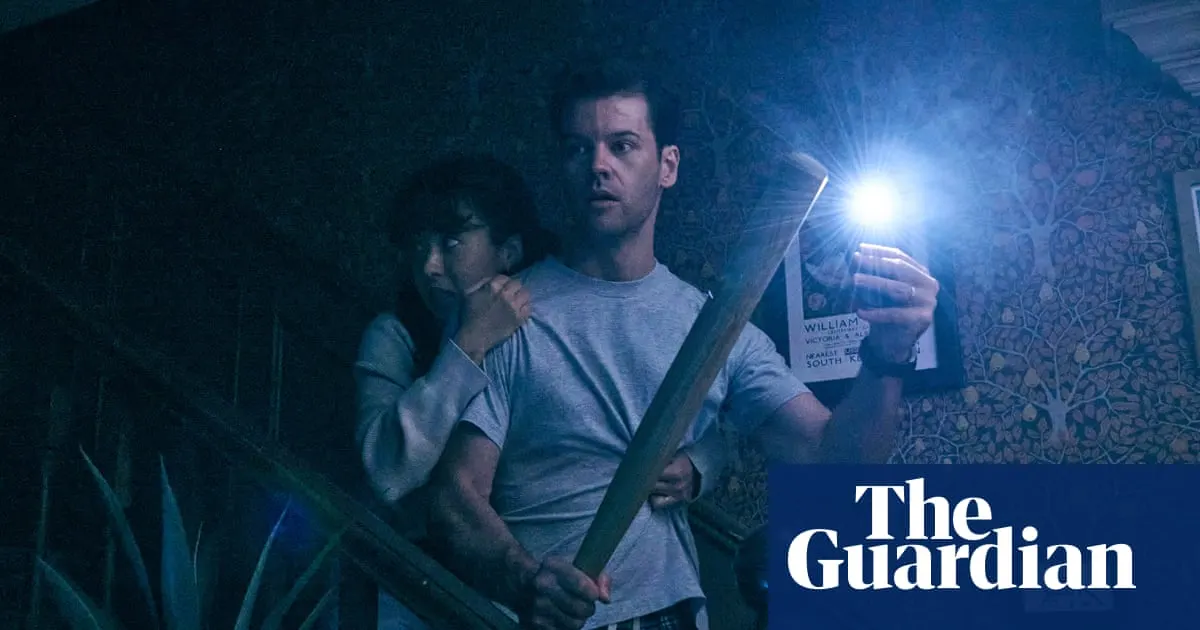
Theatre-makers are drawing audiences into a growing wave of horror productions, using darkness, suggestion and carefully timed scares to create a shared sense of fear. Designers and writers say restraint often works better than showing a threat directly, and that live horror can offer an intense escape from everyday worries.
The article highlights Blackout, Paranormal Activity, 2:22: A Ghost Story and other current productions, alongside the long-running influence of The Woman in Black and Ghost Stories. Blackout draws on creator Sam Beech’s unsettling experience in a dark car park, while illusion designer Chris Fisher compares effective suspense to seeing a shark’s fin rather than the shark itself. Comedian Kirsty Mann says audiences seek the collective thrill of fear, and has seen Paranormal Activity three times in a month.
In short
- Theatre horror is drawing audiences seeking a shared fright.
- Suggestion and suspense can be scarier than visible monsters.
- Several productions are touring or playing in London.
Explained simply
Horror theatre uses lighting, sound, acting and the audience’s imagination to create fear in a live setting. Productions such as The Woman in Black and Ghost Stories helped establish the form, while newer shows include Blackout, Paranormal Activity and 2:22: A Ghost Story.
Writers and designers shape what audiences hear or glimpse, and often leave the threat unseen so people imagine what might be there. Sam Beech drew on an unsettling experience in a dark car park for Blackout, while illusion designer Chris Fisher has described how a small hint can build suspense.
Theatre audiences experience these scares together, in the same room, and can respond to one another’s reactions. For some, that shared tension makes horror an absorbing break from everyday concerns.
Culture Entertainment Horror Paranormal TV Weird & Viral
Read the full article at the source →
Originally published by The Guardian as “Jump scares, leather gloves and squeaking moth noises: theatre horror masters on how they make their shows so scary”.