‘Jupiter’ Director Alexandre Smia on Making a Nuclear Thriller That Suddenly Feels Terrifyingly Real: ‘We’ve Entered the Third Nuclear Age’
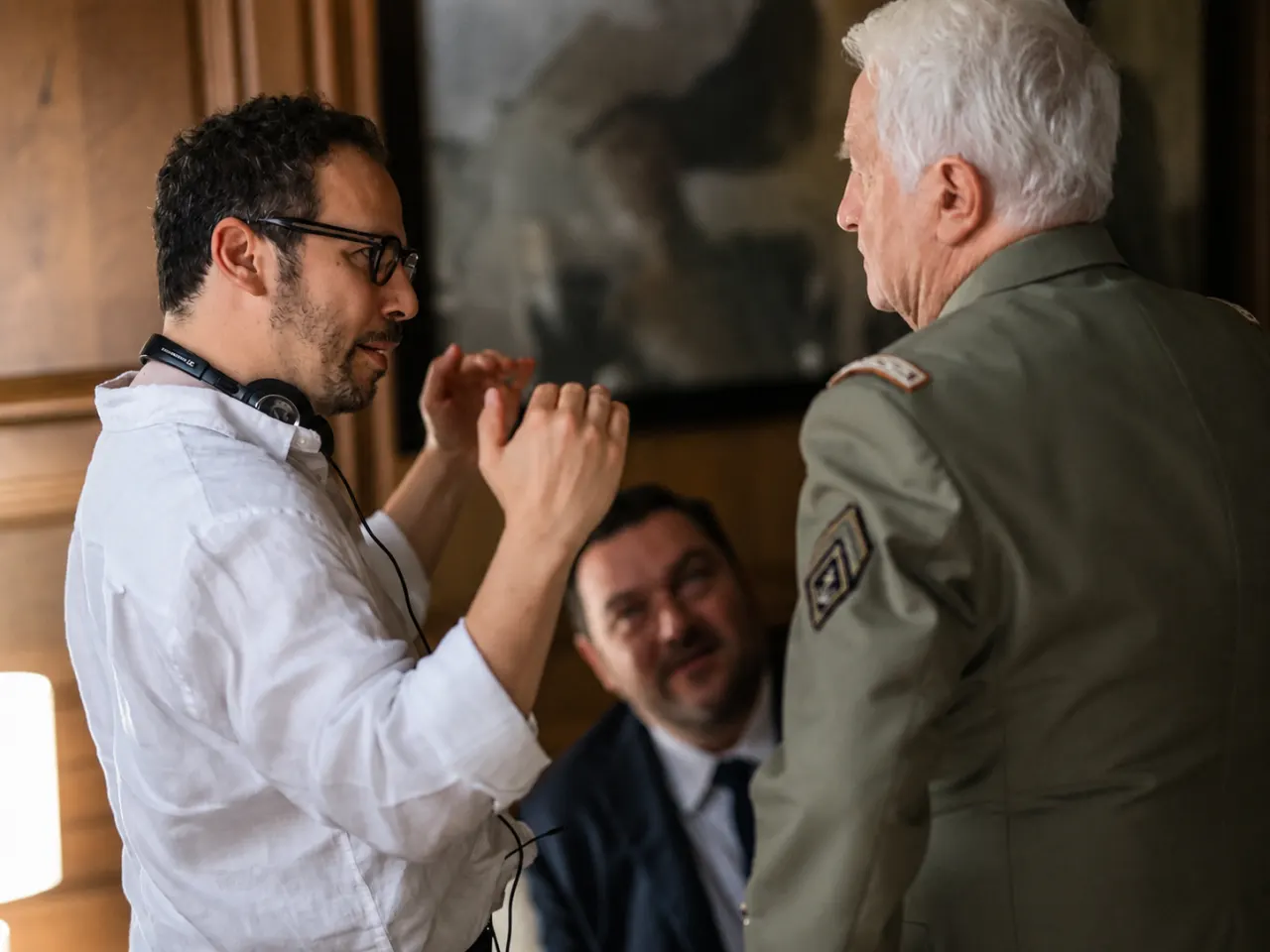
French director Alexandre Smia's feature debut "Jupiter" imagines a newly elected French president forced to confront the threat of nuclear war with Russia, and its Venice Film Festival premiere arrives at a moment when the scenario feels disturbingly plausible rather than dystopian. Smia says he began writing the film while Joe Biden was still US president, but shifting geopolitics since Russia's invasion of Ukraine have made the story's premise feel far closer to reality, prompting him to describe the current era as a "third nuclear age" in which France, as a nuclear power within the EU, NATO and the UN Security Council, can no longer remain a passive observer.
The film stars Denis Ménochet as President Paul Archambault, who is taken to the real-life "Jupiter" command bunker beneath the Élysée Palace after an assassination attempt on the Russian president sparks an escalating crisis blamed on Ukraine. Produced by Chi Fou Mi Productions (part of Mediawan) and sold internationally by SND, the film draws on extensive research, including advice from nuclear deterrence expert Bruno Tertrais and input from General Fabien Mandon, now France's chief of defence staff, who reviewed the script for authenticity. Cast members, including Dominique Blanc and Théo Kateb, drew inspiration from real figures such as Madeleine Albright and Henry Kissinger, and the ensemble rehearsed together for a week to master the film's specialist political and military dialogue. "Jupiter" premieres out of competition at Venice.
In short
- Debut director Alexandre Smia's nuclear-crisis thriller "Jupiter" premieres at Venice.
- Film follows a French president facing nuclear war with Russia.
- Smia says once-dystopian premise now feels chillingly plausible.
Steelman: both sides, in good faith
The strongest fair case each way — we don't pick a winner.
The case for
A thriller about nuclear escalation can help audiences grasp how quickly miscalculation and political pressure might turn a regional crisis into a wider danger. From this perspective, France’s nuclear status and international roles make it reasonable to ask what responsibility its leaders would bear, and the film’s research may lend that question credibility.
The case against
A fictional crisis may make nuclear confrontation feel more imminent or manageable than it is, especially when real events already cause public anxiety. From this perspective, framing France as unable to remain a passive observer risks implying a more interventionist role without examining the limits, risks and competing views around deterrence.
Explained simply
France is a nuclear-armed country and a member of NATO, the European Union and the United Nations Security Council. Its president has a central role in decisions about the country’s nuclear forces, which are intended to deter an attack.
The film follows a fictional French president facing a crisis after an assassination attempt on Russia’s president. It draws on real command structures and nuclear policy, with advice from people familiar with military and deterrence issues.
The story touches on how a conflict involving Russia could affect France and its allies, and what choices leaders might face as tensions rise. Nuclear deterrence means maintaining weapons to discourage an attack, but a crisis can still raise questions about how leaders respond and how escalation might be avoided.
Entertainment Europe Film Government Horror Politics World