‘Jupiter’ Review: A Claustrophobic Study of a Nuclear-Escalation Nightmare That Feels Too Small for the Big Screen
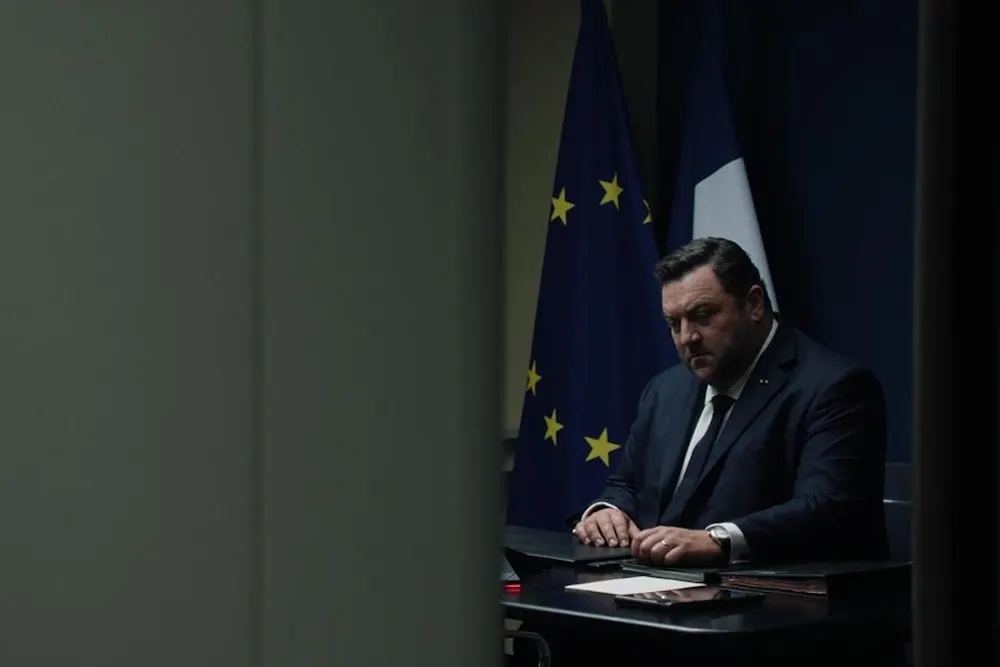
Variety's review of "Jupiter" assesses Alexandre Smia's political procedural, in which French President Paul Archambault (Denis Menochet) must navigate a fast-escalating nuclear crisis. The reviewer praises Menochet's commanding lead performance but argues the film's tightly confined setting and talky, TV-pilot structure make it feel too small for cinema, despite tackling weighty themes of escalation, alliance obligations and nuclear brinkmanship.
In the plot, Archambault is drawn into supporting Ukraine after its president, Kovalenko, faces aggression from Russian leader Chernov, who survives a likely false-flag assassination attempt and uses it to intensify the conflict. When NATO allies decline to intervene militarily and Chernov detonates a bomb over the Black Sea, Archambault and his advisers retreat to the "Jupiter" war room as tensions near breaking point. The review notes comparisons to Kathryn Bigelow's "A House of Dynamite", commends the tense score and editing, but criticises thin characterisation, an underdeveloped personal backstory for Archambault, and a strong supporting cast (including Reda Kateb, Ella Rumpf and Céline Sallette) reduced to mouthpieces rather than fully realised people.
In short
- "Jupiter" is a tense but claustrophobic nuclear-crisis drama
- Denis Menochet praised, but script and characters feel thin
- Reviewer says it suits TV pacing more than cinema
Steelman: both sides, in good faith
The strongest fair case each way — we don't pick a winner.
The case for
The film’s confined setting and dialogue-led structure can be seen as deliberate choices that make the crisis feel immediate: viewers remain trapped with leaders as they weigh escalation, alliance duties and the risk of nuclear catastrophe. Menochet’s commanding performance, tense editing and score may give the procedural enough urgency to sustain a big-screen experience while focusing attention on the human burden of high-stakes decisions.
The case against
The same confinement and talk-heavy structure can make the film feel more like a television pilot than a cinematic work, especially when its geopolitical stakes are so vast. Thin characterisation, an underdeveloped personal history for Archambault and supporting characters who mainly deliver arguments may leave the drama too small and emotionally limited to realise its subject.
Explained simply
France is a member of NATO, an alliance in which countries promise to support one another’s security. Russia’s war against Ukraine has raised questions about how far NATO members might go to help Ukraine, which is not itself a member of the alliance.
Nuclear brinkmanship means using the threat or display of nuclear weapons to pressure another country, with the risk that a crisis could spiral into nuclear war. A false-flag attack is staged or blamed on someone else to justify a response; in the film, Russia’s leader uses an apparent assassination attempt to escalate the conflict.
The story centres on French President Paul Archambault and the advisers helping him weigh France’s choices as the crisis worsens. Their decisions involve the risks of acting, the limits of allied support and the possibility of a much wider conflict.
Government Politics Research Science