Entertainment news and discussion on TalkFuse.
“Just buy the game on Steam”: Indie publisher behind a recent banger that sold 300k copies in its first week warns against key resellers after canceling hundreds of scalped keys
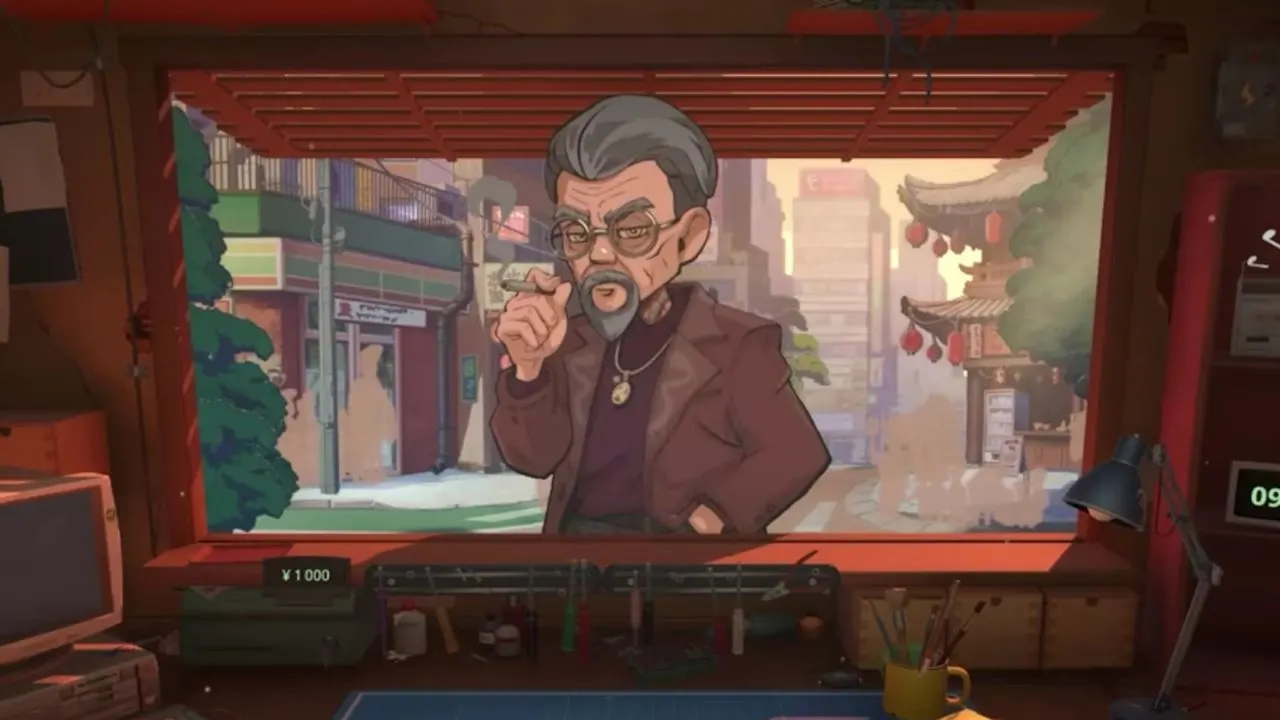
tinyBuild cancelled hundreds of Steam keys for ReStory: Chill Electronics Repairs after finding keys being resold through unauthorised marketplaces, and urged customers to buy directly through Steam. The incident highlights the risks of grey-market key sales, which can leave buyers without access to a game while providing little or no revenue to its developer and publisher.
The publisher later acknowledged that the cancellation had also affected legitimate purchases through Green Man Gaming, an authorised retailer, and said it was working to reinstate or replace those keys. ReStory, a cosy electronics-repair simulation game, had sold 300,000 copies in its first week, making the disruption particularly visible among its new players.
In short
- tinyBuild revoked hundreds of ReStory keys linked to unauthorised reselling.
- Some legitimate Green Man Gaming customers were affected.
- The publisher said replacement keys would be issued.
Steelman: both sides, in good faith
The strongest fair case each way — we don't pick a winner.
The case for
Game development requires substantial investment and risk, particularly for independent studios. When keys are resold through grey markets, developers receive no revenue whilst their work's value is undercut by unauthorised resellers who profit without contributing to development costs. Grey-market keys are frequently obtained through fraud or chargebacks, creating genuine financial harm beyond the lost revenue. Publishers have a legitimate interest in protecting authorised distribution channels that fund ongoing development, bug fixes, and customer support.
The case against
Consumers who purchase a product should retain the right to resell, gift, or trade it, a principle long established in law and commerce. Authorised retailers like Green Man Gaming operate transparently as legitimate partners, yet the blanket cancellation affected their customers unfairly, setting a troubling precedent for digital ownership rights. Rather than punishing consumers and authorised retailers, publishers might better address concerns through transparent grey-market investigations or working with platforms to monitor key distribution. The existence of a secondary market is standard across industries and does not inherently justify retroactive removal of access to purchased goods.
Explained simply
Steam is a digital shop and platform for PC games, where players can buy and access titles. Some publishers also sell game keys through approved shops, which customers can redeem on Steam.
Key resellers offer keys through marketplaces that may not be authorised by the publisher. A key can be cancelled if it was obtained or sold improperly, so buyers may lose access to a game; developers and publishers may also receive little or no money from those sales.
tinyBuild publishes ReStory, a game about repairing electronics, and Green Man Gaming is an authorised retailer. The incident matters because it affected both keys linked to unauthorised resale and some legitimate purchases, raising questions for players about where they buy games and how retailers handle replacement keys.