Technology news and discussion on TalkFuse.
‘Just Ridiculous’: A Famed Philosopher Takes on AI Consciousness
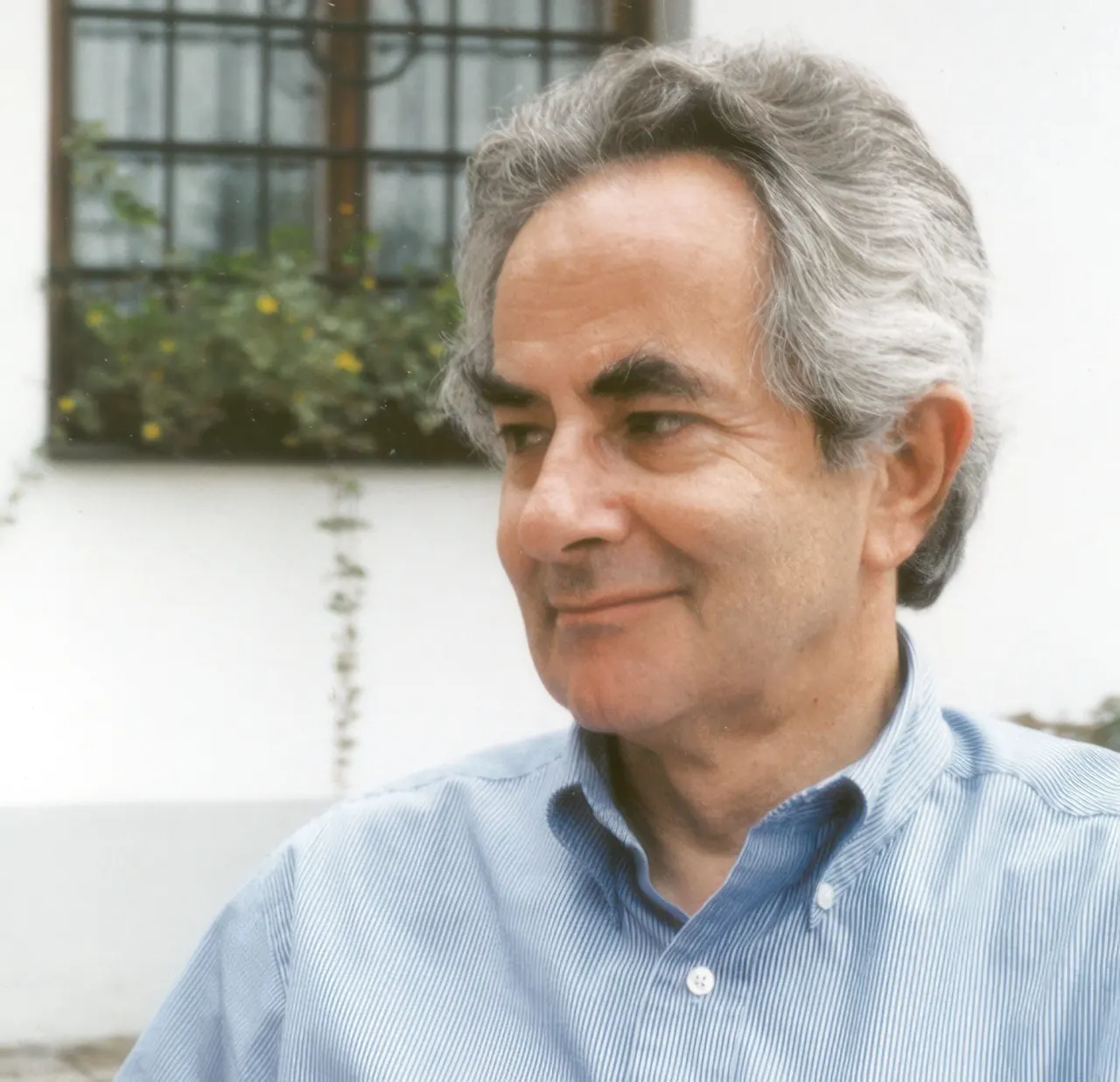
Philosopher Thomas Nagel argues that today’s large language models are not conscious, calling the idea that they might be “just ridiculous”. His view matters because the systems’ humanlike language is prompting debate about whether AI could have subjective experience and how the public should understand it.
Nagel says consciousness is likely linked to particular physical processes, and that data centres differ fundamentally from nervous systems. He argues that language alone is not a natural sign of consciousness, and that AI systems’ apparent reflections on their own minds imitate human writing. The 89-year-old NYU professor emeritus spoke after receiving the $1 million Berggruen Prize for Philosophy & Culture.
In short
- Thomas Nagel says current AI systems are not conscious.
- He argues consciousness likely requires organism-like physical systems.
- Humanlike AI language could lead people to mistakenly believe it is conscious.
Explained simply
Thomas Nagel is a philosopher known for his work on consciousness: the idea that there is something it feels like to have an experience. His writing has shaped debate about how minds relate to the physical world, including the question of whether human experience can be explained by describing the brain alone.
Large language models are computer systems trained on huge amounts of text to produce humanlike replies. They can talk about feelings and describe their own supposed thoughts, but that ability does not by itself show that they have experiences. Nagel’s view centres on the differences between how computers process information and how nervous systems work.
The debate matters because people increasingly interact with AI through fluent conversation. Whether such systems could ever be conscious affects how their abilities are understood and what questions researchers and the public may need to consider as AI develops.