Politics news and discussion on TalkFuse.
Justice Clarence Thomas Suggests ‘Sensitive Places’ Gun-Carry Bans Wouldn’t Pass Legal Muster
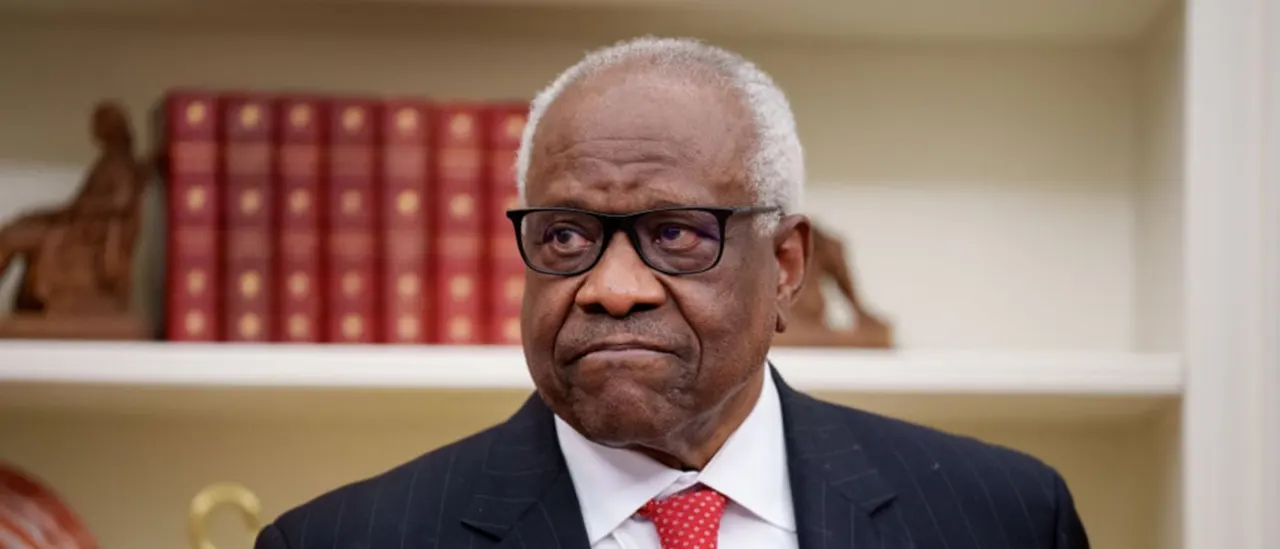
The Supreme Court declined to hear a challenge to Maryland’s restrictions on carrying firearms in places designated as “sensitive”. Justice Clarence Thomas said the decision did not endorse the law’s constitutionality and suggested a narrower challenge could allow the court to examine how far states may restrict carry in such places.
The case was brought by gun-rights groups and four Maryland residents, and challenged restrictions covering locations including public transport, restaurants, demonstrations and medical facilities. Thomas said each category requires its own historical analysis, making the petition too broad for review. Maryland enacted the restrictions after the Supreme Court’s 2022 decision on concealed-carry permits; later court rulings have also addressed similar restrictions in New York and Hawaii.
In short
- The court declined to review Maryland’s sensitive-places carry ban.
- Thomas questioned whether the restrictions fit historical traditions.
- He said a narrower case could be considered later.
Steelman: both sides, in good faith
The strongest fair case each way — we don't pick a winner.
The case for
States have a duty to protect public safety, and restrictions on firearms in settings such as medical facilities, public transport and public gatherings may reduce the risk of intimidation, accidents or violence where people are especially exposed. The Supreme Court’s historical approach still allows limits in genuinely sensitive places, and assessing each category separately can help ensure restrictions are grounded in law and context rather than decided through an overly broad challenge.
The case against
The right to carry firearms for self-defence may be undermined if states can designate broad swathes of ordinary public life as sensitive places. Restrictions covering transport, restaurants and demonstrations could leave people with few practical places to carry, so each ban should face careful constitutional scrutiny and clear historical justification. Thomas’s comments support the view that rejecting this petition did not settle whether Maryland’s restrictions meet that standard.
Explained simply
The Second Amendment to the US Constitution protects the right to keep and bear arms. In 2022, the Supreme Court ruled that people generally have a right to carry a handgun in public for self-defence, while recognising that governments may restrict guns in some “sensitive places”.
States have drawn up different lists of those places, including sites such as public transport, medical facilities and demonstrations. The 2022 ruling said restrictions should be assessed against the country’s history and tradition of firearm regulation, so courts may consider whether each type of location has a historical basis.
Maryland changed its carry laws after that ruling, and gun-rights groups and residents have challenged parts of the restrictions. Similar disputes have reached courts over laws in other states, leaving questions about how broadly governments can define sensitive places.