Justice secretary admits court backlog will continue to rise after U-turn on jury trials
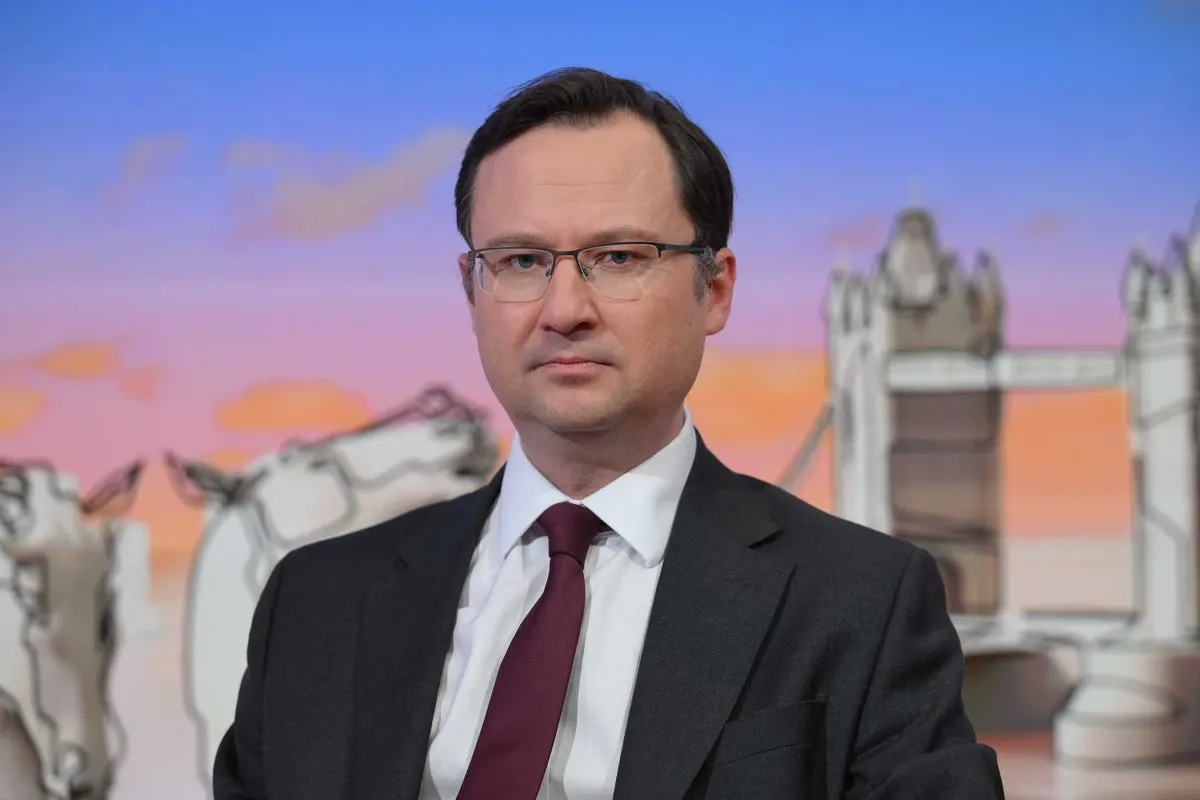
The Justice Secretary Alex Norris has scrapped the previous government's plan to significantly limit jury trials, reversing an earlier proposal championed by former justice secretary David Lammy. The move came after strong opposition from MPs and legal professionals who questioned whether the plan would even help reduce court backlogs and raised concerns about fairness and curtailing rights. Now only fraud and financial offences will be heard before a judge alone, whilst criminals accused of minor crimes will lose the right to choose Crown Court trials.
The court backlog has nearly doubled since 2020, with 80,829 cases still awaiting trial at the end of June. Despite scrapping the jury trial restrictions, Norris admitted the backlog will continue to rise until new legislation is implemented and refused to commit to a specific timeline for reducing it. He pledged to publish impact assessments showing projected improvements over the next decade once the new measures pass through Parliament.
- Jury trial curb plan scrapped after opposition from legal professionals and MPs
- Court backlog has nearly doubled to 80,829 cases since 2020
- Justice secretary refuses to commit to target date for clearing delays
New here? Start with this
Jury trials are central to the British criminal justice system, with ordinary citizens deciding whether someone is guilty in serious cases. This right is widely considered important for fairness, and it is strongly supported by legal professionals and the public.
The courts have faced a growing backlog since 2020, with tens of thousands of cases waiting to be heard. To try to clear this backlog faster, the government proposed removing jury trials for certain crimes so judges could decide cases alone.
However, lawyers and MPs strongly opposed this change, questioning whether it would actually speed things up and arguing it would weaken legal protections. The Justice Secretary has since revised the government's plans, choosing a compromise that keeps jury trials for most crimes but allows judges alone to hear fraud and financial cases, and removes the right to choose Crown Court trials for minor offences.
Both sides, in good faith
The strongest fair case each way — we don't pick a winner.
The case for
The maintaining of jury trials represents a core principle of British justice—the right to be tried by one's peers provides essential protection against state overreach and maintains public confidence in the courts. Legal professionals and MPs raised credible concerns that jury trials were not the primary cause of backlogs, questioning whether limiting them would genuinely help clear cases faster. Compromising fundamental rights without robust evidence of benefit would undermine the system's integrity; instead, resources should be invested in proper funding and efficiency measures that don't require surrendering established safeguards.
The case against
A court backlog of nearly 81,000 cases represents a genuine crisis in access to justice affecting both defendants awaiting trial and victims seeking closure; delays themselves constitute a form of injustice. Judge-alone trials for selected offences could meaningfully improve case throughput without undermining fairness, as complex cases may benefit from streamlined procedures. Whilst jury trials are important, rigidly maintaining current procedures across all cases whilst the system fails to deliver timely justice ignores a practical reality: sometimes procedural modernisation must be balanced against administrative traditions to serve justice's core purpose.