Pioneering BBC Domesday archive marks 40 years of documenting British life
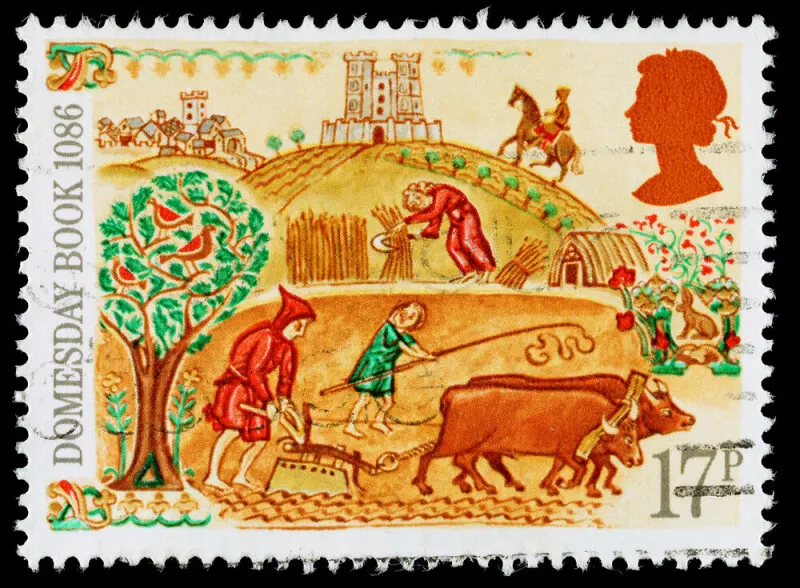
The BBC Domesday Project, a pioneering 1980s archive of British life created by over a million participants, is marking its 40th anniversary this year. The Centre for Computing History celebrated the milestone on 19 September with original team members, including Mike Tibbetts, who revealed that both MI5 and former prime minister Margaret Thatcher took interest in the project but struggled to understand its scope. Decades before the modern web, the initiative demonstrated ambition to capture a comprehensive snapshot of the nation, drawing parallels with the original Domesday Book of 1066.
The project compiled contributions from participants—many schoolchildren—onto two LaserDiscs called the Community Disc and the National Disc, accessed via a BBC Master computer and Philips VP415 LaserVision player. Released at the end of 1986, it cost approximately £5,000 per unit (reduced to around £3,000 with government subsidy), aimed at schools, libraries and universities, though it was not commercially successful. The bespoke technology has not aged well: discs have degraded over time, presenting preservation challenges unlike the original Domesday Book's vellum pages, which have survived 940 years. Yet historians increasingly recognise its value as a crucial historical resource documenting 1980s Britain.
- BBC Domesday Project reaches 40th anniversary milestone
- Million-strong archive of 1980s Britain marks crucial historical record
- Outdated technology threatens preservation unlike original Domesday Book's vellum
New here? Start with this
The BBC Domesday Project was an ambitious 1980s attempt to create a comprehensive picture of British life in the mid-1980s. Over a million people, including many schoolchildren, contributed their own entries—photographs, text, maps and observations about their local communities. Named after the 1066 Domesday Book that catalogued Norman England, it aimed to be a similar snapshot of the nation, but captured through modern technology and democratic participation rather than royal decree.
The contributions were compiled onto two interactive LaserDiscs, accessed through a BBC Master computer and a special Philips video player. Released at the end of 1986, the technology was expensive and cutting-edge for its time, costing around £5,000 per unit before subsidies. The archive was distributed to schools, libraries and universities to make it accessible to researchers and the public, though it never became the widespread success the creators had hoped for.
The project has become increasingly valuable to historians studying 1980s Britain, offering a grassroots perspective on everyday life during that era. However, preservation poses a significant challenge: the LaserDiscs have degraded over the decades, unlike the original Domesday Book's vellum pages which have survived nearly 1,000 years. This fragility highlights both the ambition of attempting to create a permanent historical record and the technical limitations of the medium chosen.
Read the full article at the source →
Originally published by The Register as “Spies, prime ministers, and balls: The BBC Domesday project @ 40”.