Kalshi dishes out its first-ever lifetime ban to George Santos
Developed over time first seen 2 months ago
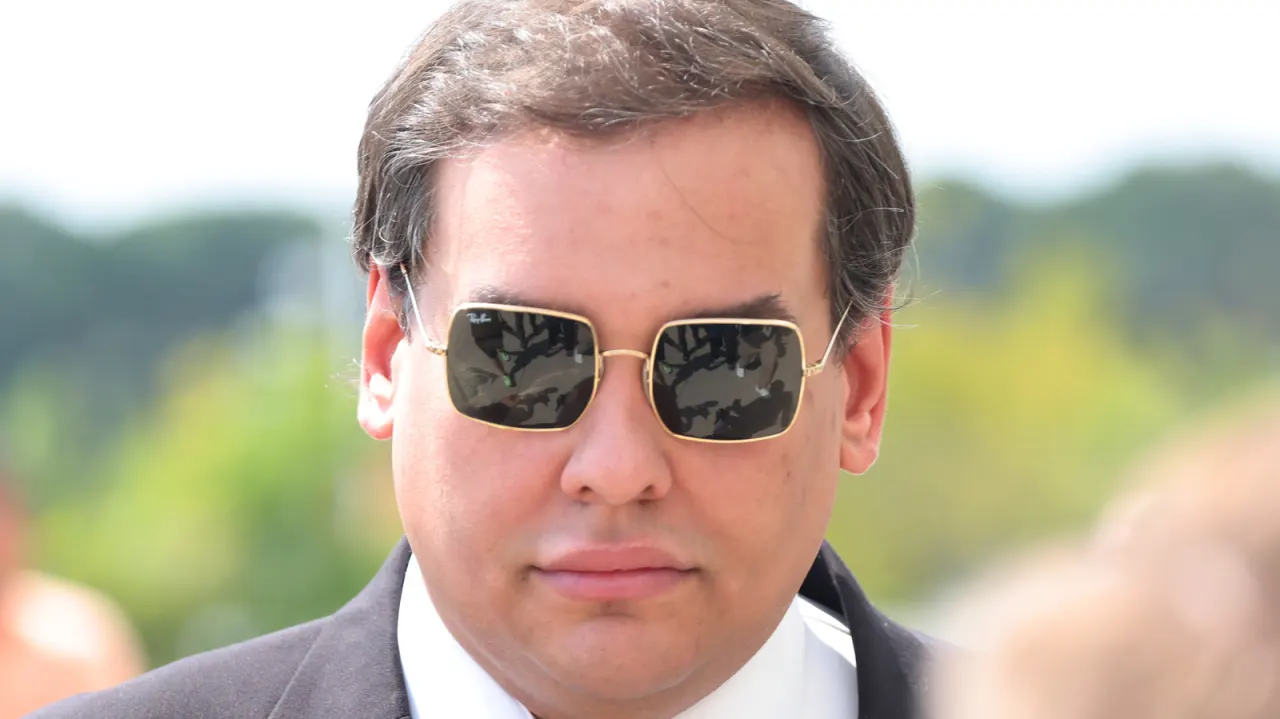
Kalshi has permanently barred former US congressman George Santos from its prediction market platform and fined him $71,356, the first lifetime ban the trading platform has ever issued, after finding he failed to fully cooperate with its investigation into alleged insider trading. The case has drawn attention to how prediction markets, which let users trade contracts on the outcomes of real-world events, are policing misconduct on their platforms, with Kalshi separately settling another insider trading case involving a former White House aide around the same time.
Santos allegedly bought contracts betting he would miss this year's State of the Union address after weather disrupted his travel, then sold them for a profit once he publicly claimed he would attend, netting more than $17,500 in the process. He settled related claims from the Commodity Futures Trading Commission in July, paying over $35,000 and accepting a three-year trading ban, and can still appeal Kalshi's lifetime ban to the regulator. Santos, who now describes himself as a TV personality, dismissed the ban on social media, while the CFTC also settled a similar case last week with ex-White House teleprompter operator Gabriel Perez, who agreed to pay over $172,000 and accept a three-year ban for trading on leaked details of Trump's speeches.
- Kalshi permanently bans George Santos over insider trading probe
- He must also pay a $71,356 penalty to the platform
- CFTC separately fined him $35,000 and banned him for three years
New here? Start with this
Kalshi is a US platform where users trade financial-style contracts on the outcome of real-world events, from elections to weather to political speeches, a growing category known as prediction markets. Because these contracts pay out based on future events, someone with inside knowledge of how an event will unfold has an obvious opportunity to profit unfairly, which is why platforms like Kalshi investigate suspected insider trading among their users.
George Santos is a former Republican congressman from New York who was expelled from the US House of Representatives in December 2023 after an ethics investigation found evidence of fraud and other misconduct. He has since faced separate criminal proceedings related to campaign finance. Kalshi and the Commodity Futures Trading Commission, the US regulator that oversees this kind of trading, had both been looking into whether Santos traded contracts using advance knowledge of his own plans around a political event.
The case also touches on wider questions about how prediction markets police their users, since these platforms are relatively new and have been growing quickly in the US. A separate, similarly timed case involving a former White House staffer trading on advance knowledge of presidential speech content adds to the picture of scrutiny facing the industry over insider-style trading on personal or privileged information.
Both sides, in good faith
The strongest fair case each way — we don't pick a winner.
The case for
Supporters of Kalshi's lifetime ban argue that prediction markets can only maintain integrity and public trust if operators enforce rules more strictly than the letter of federal law requires, especially given how young and lightly regulated this industry still is. They contend that Santos's alleged failure to cooperate fully with the investigation is itself an aggravating factor justifying a harsher sanction than the CFTC's three-year ban, since platforms depend on good-faith cooperation to police insider trading effectively. A permanent ban, in this view, sends an unambiguous deterrent signal to other users, including public officials, that exploiting privileged knowledge for profit will end their access to the platform entirely, not just temporarily.
The case against
Critics of the lifetime ban might argue that it is disproportionate and inconsistent when set against the CFTC's own three-year settlement for the same underlying conduct, raising fairness concerns about a private company imposing a harsher, effectively permanent penalty than the relevant federal regulator did. They would point out that Santos is entitled to appeal to the CFTC, suggesting even Kalshi recognises the outcome may warrant independent review, and that similarly-timed cases, such as the teleprompter operator who profited far more but received only a three-year ban, invite questions about whether the punishment fits the offence or reflects other factors, such as Santos's public notoriety or degree of cooperation. This view emphasises proportionality and consistent standards over exemplary punishment.