Science news and discussion on TalkFuse.
KAROL MARKOWICZ: 1619 Project founder Nikole Hannah-Jones learned the hard truth about schools
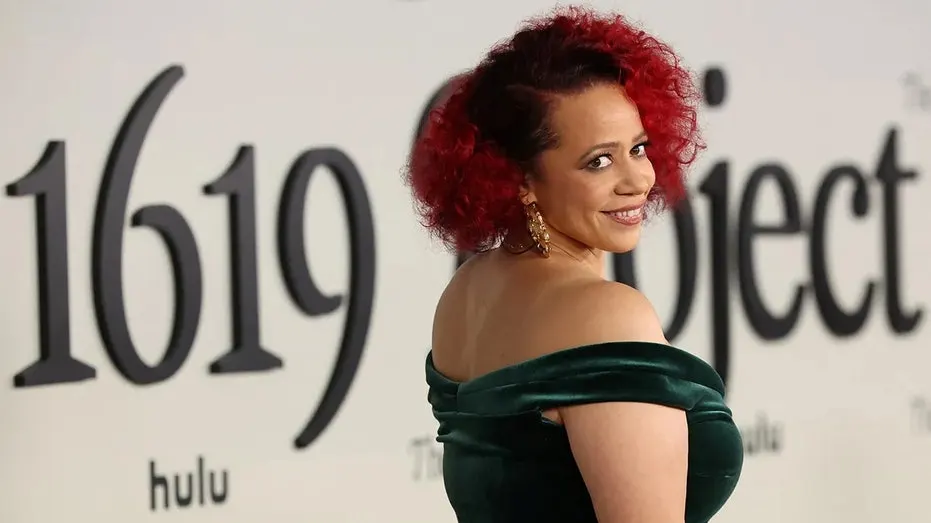
The opinion article argues that Nikole Hannah-Jones’s decision to send her daughter to struggling New York City public schools conflicted with her previous opposition to school choice. It presents Hannah-Jones’s account of inadequate teaching, weak discipline and low academic standards as evidence that her progressive education ideals failed to serve her child.
According to the article, Hannah-Jones had hoped her family’s involvement and influence could help improve local schools, but the author says she ultimately prioritised ideology over educational outcomes. It also criticises policies including reduced selective admissions, cuts to gifted programmes, strong teachers’ union influence and limits on charter schools, while contrasting Hannah-Jones’s views on integration and historically Black colleges.
In short
- Hannah-Jones describes her daughter’s difficulties in failing public schools.
- The author says ideology took precedence over educational outcomes.
- The article criticises New York City’s progressive school policies.
Steelman: both sides, in good faith
The strongest fair case each way — we don't pick a winner.
The case for
The article’s criticism is that parents should be able to seek effective schooling for their children, and that Hannah-Jones’s reported experience points to real shortcomings in teaching, discipline and academic standards. Supporters of school choice argue that selective, gifted and charter options can give families alternatives while encouraging schools to improve, especially when neighbourhood schools are not meeting pupils’ needs.
The case against
A defender of Hannah-Jones’s position could argue that one family’s experience does not establish that public education or integration policies have failed, and that describing her choices as hypocrisy oversimplifies the constraints and trade-offs parents face. They may support improving neighbourhood schools for all pupils, including through stronger funding and teaching, while cautioning that selection and charter expansion can divert resources or widen inequalities rather than address underlying problems.
Explained simply
New York City’s public school system includes neighbourhood schools, selective schools, charter schools and programmes for pupils with particular academic needs. Families can have different options depending on where they live and the admissions rules, which have been debated as the city tries to address both educational access and long-standing racial and economic divides.
Nikole Hannah-Jones is a journalist known for creating The 1619 Project, which examines the role of slavery in US history. The article discusses her views on school choice, meaning families’ ability to choose alternatives to their assigned public school, and sets those views against claims about her family’s experience in New York schools.
Debates over school policy involve parents, teachers’ unions, school officials and elected leaders. They include questions about how to support struggling schools, whether selective admissions and gifted programmes promote opportunity or deepen inequality, and what role charter schools should play.