Keanu Reeves-Voiced Stop-Motion Samurai Film ‘Hidari’ Looks for New Partner After U.S. Talks Stall
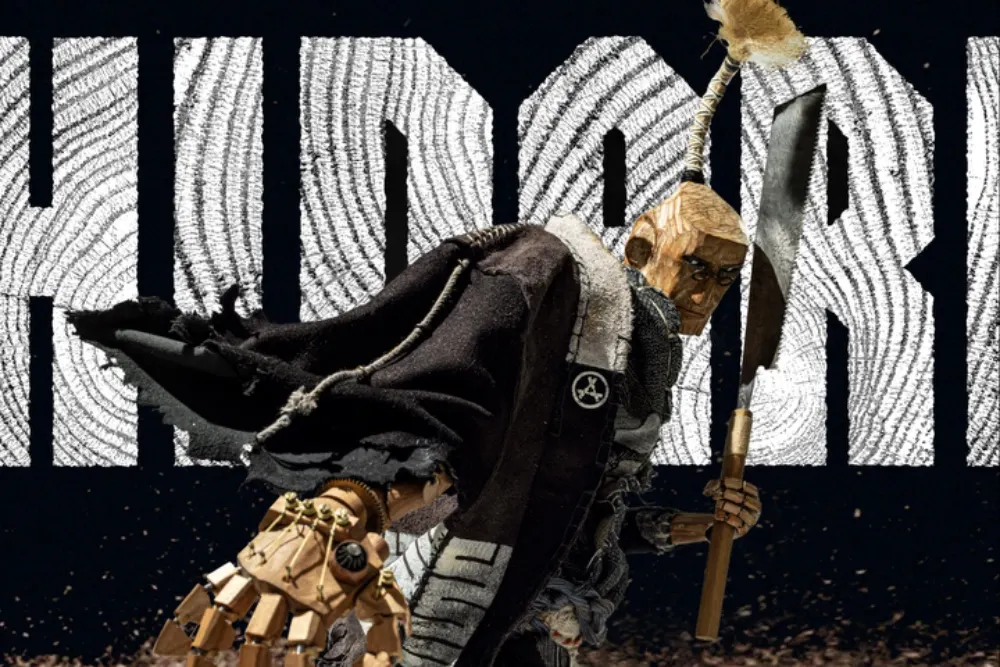
Dwarf Studios is seeking a new financing partner for "Hidari," a stop-motion samurai film voiced by Keanu Reeves, after negotiations with a U.S. company fell apart. The American company offered to fund the entire budget but demanded all rights to the project, which would have left Dwarf Studios with no creative control over their original work. The talks collapsed when the studio's contacts at the U.S. company lost their jobs amid industry upheaval, highlighting the challenges international productions face when securing financing.
Dwarf Studios is now working with Questry to establish a special purpose company that allows overseas and Japanese investors to contribute simultaneously. The film's development has been unconventional: Dwarf funded a pilot short in 2023 partly through crowdfunding, which helped attract Keanu Reeves to the project. The broader issue is that Japanese film financing relies heavily on production committees where each member (publishers, broadcasters, toy companies, etc.) takes a fee for their "window" or right to exploit the title, leaving studios with minimal upside and little incentive to back international projects. Questry CEO Ibe Tomonobu noted that this system works well for domestic projects but struggles with global productions, particularly as overseas sales now account for 56% of anime industry revenue.
- Dwarf Studios seeks new partner for Keanu Reeves samurai film after US talks collapsed.
- US company demanded all rights in exchange for full funding.
- Japanese film financing system struggles with international co-productions.
New here? Start with this
"Hidari" is a stop-motion samurai film by Japanese studio Dwarf Studios, with Keanu Reeves voicing a lead character. A U.S. company offered to fund it entirely but demanded ownership of all rights, which would have left the studio with no creative control, so Dwarf Studios rejected the deal and is now seeking alternative financing.
This situation highlights how Japanese film financing traditionally works. Production committees—made up of publishers, broadcasters, toy companies and others—each contribute money in exchange for the right to profit from their particular area of the business. This system works well for domestic projects but struggles with international films that need different rights structures.
This matters because overseas markets are becoming crucial to the anime industry's success, with international sales now representing 56 per cent of revenue. Studios like Dwarf need financing structures that attract foreign investment whilst preserving creative control, yet traditional Japanese methods struggle to accommodate both.
Both sides, in good faith
The strongest fair case each way — we don't pick a winner.
The case for
When an investor contributes substantial capital to a creative project, demanding corresponding ownership rights is standard practice across the industry and reflects legitimate risk. The U.S. company's offer represented real commitment with resources and distribution capability. Expecting investors to fund projects without proportional control makes capital harder to secure and riskier for investors, ultimately reducing available financing for ambitious creative work.
The case against
Surrendering all rights to one's original creation means losing the ability to shape its future and benefiting from its success, which fundamentally undermines creator autonomy and incentives. Alternative models like those developed by Questry demonstrate that financing can be structured to accommodate multiple investors whilst preserving meaningful creator ownership and control. The studio was right to seek partners who respect the creator's stake in their own original work rather than accepting total surrender of intellectual property.
Art Asia Business Companies Culture Entertainment Film World