Kemi Badenoch raises prospect of Britain boycotting Commonwealth summits if they are just demands for UK cash
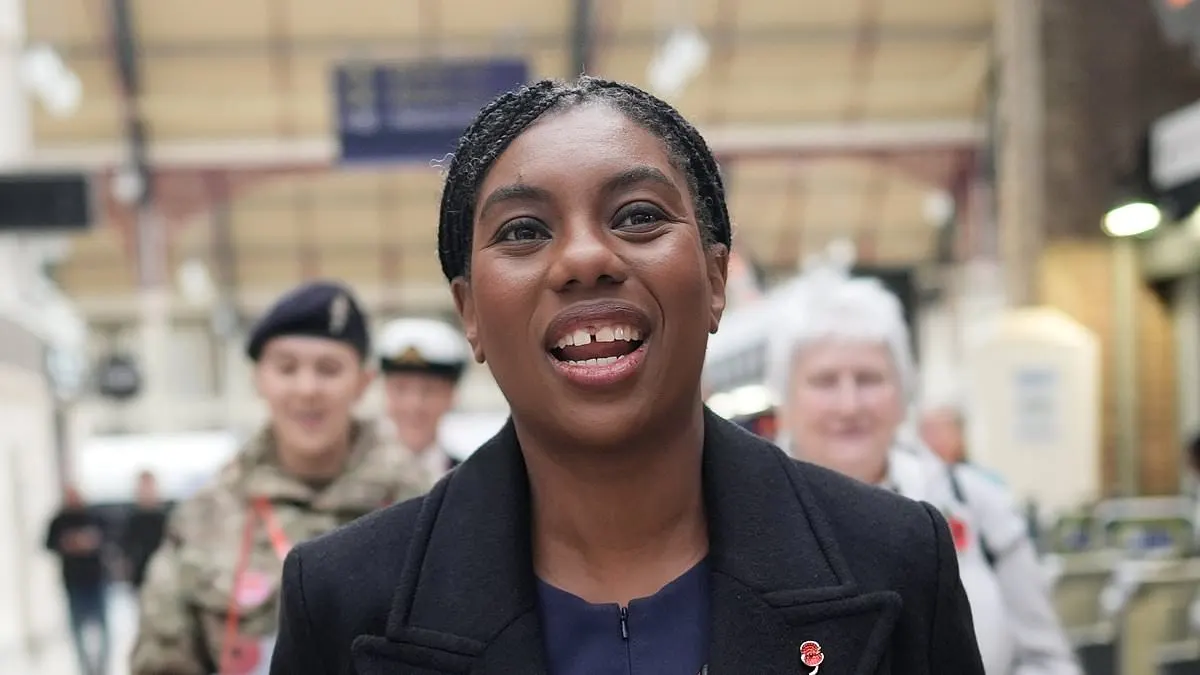
Conservative leader Kemi Badenoch said Britain should consider boycotting Commonwealth summits if they become a forum for demands for apologies or financial reparations over the country’s role in the transatlantic slave trade. She was responding to Prime Minister Andy Burnham’s suggestion that he might issue a formal apology, arguing that today’s taxpayers should not be held financially responsible for events generations ago.
Badenoch also questioned whether calls for an apology addressed the role of African kingdoms, rulers and merchants who captured and sold enslaved people. Her post on X was viewed millions of times, according to the article. It also cited a BMG poll in which she had a +6 popularity rating, compared with Burnham’s +3 and Nigel Farage’s –20, and a poll-of-polls placing the Conservatives second behind Labour.
In short
- Badenoch floated skipping Commonwealth summits over reparations demands.
- She opposed a possible apology for Britain’s role in the slave trade.
- A cited poll gave her a +6 popularity rating.
Steelman: both sides, in good faith
The strongest fair case each way — we don't pick a winner.
The case for
Britain should not commit public money to reparations for historical wrongs without a clear legal or democratic basis, particularly when current taxpayers were not responsible for the slave trade. A boycott could also signal that Commonwealth relations should focus on present-day cooperation rather than demands directed at Britain, and that historical accountability should recognise the roles of African rulers and merchants as well as European powers.
The case against
An apology or reparations need not imply that today’s citizens personally committed past crimes; they can acknowledge the enduring harms of slavery and the benefits institutions and societies may still derive from it. Remaining engaged at Commonwealth summits could allow Britain to hear affected countries’ concerns and pursue constructive forms of repair, while a boycott risks appearing dismissive and may weaken relationships with Commonwealth partners.
Explained simply
The Commonwealth is an association of countries, many of which were once part of the British Empire. Its leaders meet at summits to discuss shared issues, including the legacy of slavery and colonial rule.
Britain played a major role in the transatlantic slave trade, in which millions of Africans were forcibly taken and enslaved. The trade also involved African states and merchants who captured and sold people; debate continues over how responsibility for this history should be recognised today.
Kemi Badenoch leads the Conservative Party, while Andy Burnham is the prime minister. Their disagreement reflects a wider debate about whether Britain should formally apologise or pay reparations for past harms, and what obligations present-day governments have for events generations ago.
Geopolitics Government Politics UK World