Business news and discussion on TalkFuse.
Badenoch and Farage attack EU reset as Burnham hails benefits for Britain
Developing story first seen 3 hours ago
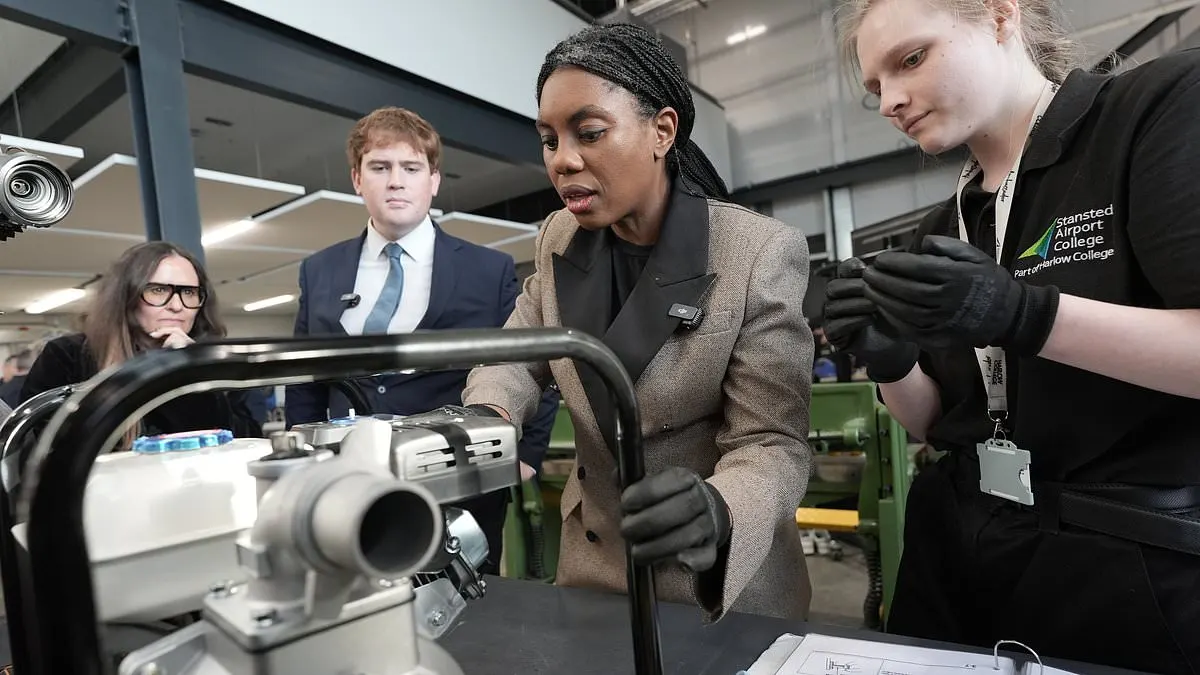
The latest coverage adds that Andy Burnham defended the EU reset as “a good day” for Britain, even as Kemi Badenoch and Nigel Farage attacked the agreement. Badenoch disputed claims that it could boost the economy by £17 billion, while Farage said its terms broke Labour’s election promises.
The Treasury analysis cited in the article estimates the deal could add 0.5 per cent to GDP by 2040; Badenoch said another model put the effect at zero. She also criticised a youth mobility scheme that could allow 100,000 to 300,000 young Europeans to come to the UK over three years, saying Keir Starmer had negotiated for 50,000. Farage argued that closer relations with Europe did not justify joining a significant part of the single market.
- Sources
- 2
- Outlets
- 2
- Left · Centre · Right
- 0 · 0 · 2
In short
- Burnham defended the EU reset as a good day for Britain.
- Badenoch challenged its projected economic gains.
- Farage said the terms break Labour’s election promises.
How this story developed
- 11 minutes ago Badenoch went further, saying even Keir Starmer would not have accepted the deal’s terms, while Farage argued that improved ties and trade with Europe did not justify returning to parts of the single market.
- 25 minutes ago Andy Burnham called the EU reset “a good day” for Britain, while Kemi Badenoch disputed its projected economic gains and criticised its youth mobility scheme, and Nigel Farage said the deal broke Labour’s election promises.
Steelman: both sides, in good faith
The strongest fair case each way — we don't pick a winner.
The case for
Supporters could argue that closer ties with the EU would reduce friction for businesses and improve trade, with the Treasury estimating a modest long-term boost to GDP. A youth mobility scheme could also benefit young people and cultural exchange, while better relations with Europe may serve the UK’s wider economic interests.
The case against
Critics could argue that the projected economic gain is small and uncertain, with another model cited by Badenoch estimating no effect, and may not justify the agreement’s obligations. They may also see the youth scheme’s potential scale and closer alignment with the single market as exceeding what voters were promised, raising questions about democratic accountability and control over policy.
Explained simply
The UK left the European Union in 2020, ending its membership of the EU single market and customs union. Since then, successive governments have had to balance closer trade and practical cooperation with Europe against commitments to keep rules and decisions under UK control.
Keir Starmer leads the Labour government, which negotiated the new arrangements with the EU. Kemi Badenoch leads the Conservative opposition, while Nigel Farage leads Reform UK; both parties have criticised the agreement. The debate concerns its possible effects on trade and economic growth, and provisions such as a scheme for young people to live and work across borders.
The deal matters because it could shape the UK’s economic relationship with its largest nearby trading bloc and affect opportunities for workers and businesses. Its expected impact is uncertain, and the parties disagree over whether its terms fit the promises made to voters.
Coverage · 2 sources
Bias meters
From 2 rated sources.
Read the full article at the source →
Originally published by Daily Mail as “Kemi Badenoch says ‘even Keir Starmer’ would not have signed EU reset – as Farage accuses Burnham of ‘shamefully’ breaking promises”.