Kemi Badenoch named in alleged suspect’s list of around 100 MPs
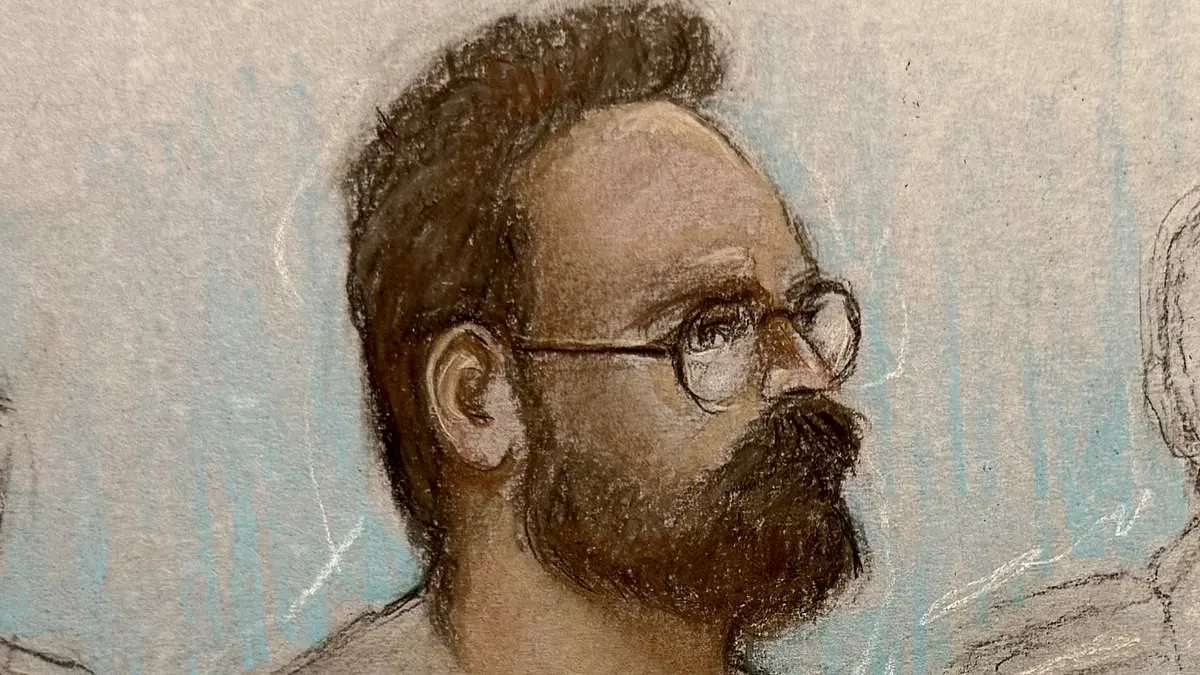
Joshua Kerry, aged 28 and accused of killing Reform UK MP Ann Widdecombe, allegedly compiled a "reconnaissance list" of approximately 100 MPs including Conservative leader Kemi Badenoch. Kerry is also charged with attempting to break into Nigel Farage's home in what prosecutors describe as preparation for terrorist acts. The discovery raises serious concerns about security threats facing parliamentarians and the adequacy of current protections.
Between May 2024 and July 2026, Kerry spent nearly two years researching prominent people and institutions, according to court proceedings at Westminster Magistrates' Court. Among the MPs researched by Kerry were Shadow Foreign Secretary Tom Tugendhat, Reform UK's Robert Jenrick, Lee Anderson, Richard Tice, and independent MP Rosie Duffield. Critically, police found no evidence that attacks had been planned against any of the listed MPs, yet parliamentarians were only informed this week, months after Kerry's arrest, prompting sharp criticism from MPs including Lee Anderson who accused the police and Home Secretary of failing them.
- Alleged killer compiled list of 100 MPs including Tory leader.
- Kemi Badenoch and other top MPs were on the list.
- MPs only learned this week, prompting accusations of security failure.
New here? Start with this
Joshua Kerry, a 28-year-old man, has been accused of killing Reform UK MP Ann Widdecombe and attempting to break into the home of Nigel Farage, the Reform UK leader. Prosecutors allege these actions were part of preparations for terrorist acts. The case has raised serious concerns about the security of Members of Parliament.
During an investigation spanning nearly two years, from May 2024 to July 2026, Kerry allegedly compiled a "reconnaissance list" of around 100 MPs he had researched. Among those on the list were Conservative leader Kemi Badenoch, Shadow Foreign Secretary Tom Tugendhat, and several other MPs including Lee Anderson and Richard Tice. Police found no evidence that attacks had been planned against any of the MPs on this list.
What has prompted strong criticism from MPs is that they were only informed about the list this week, several months after Kerry's arrest. Some MPs, including Lee Anderson, have accused the police and Home Secretary of failing to protect them by not communicating the threat sooner. The incident has raised questions about how authorities handle potential threats to politicians and the adequacy of current security measures.
Both sides, in good faith
The strongest fair case each way — we don't pick a winner.
The case for
Parliamentarians have a fundamental right to know immediately when identified as subjects of surveillance by someone charged with terrorism and murder, enabling them to assess personal security arrangements and take informed protective measures. The months-long delay between Kerry's arrest and MPs' notification appears indefensible in a democracy where elected representatives' safety is paramount; transparency about genuine threats strengthens rather than weakens public confidence in security arrangements.
The case against
Police protocols that delay notification during active investigations exist to protect investigative integrity, preserve evidence, and avoid tipping off potential accomplices or associates. Since no actual attacks were planned against the listed MPs and no imminent threat materialised, premature disclosure would have risked compromising the case against Kerry whilst causing unnecessary alarm. Security services must balance openness with operational effectiveness, and procedural caution is justified when threats remain theoretical rather than active.
Read the full article at the source →
Originally published by Daily Mail as “Kemi Badenoch was ‘put on a reconnaissance list by man accused of killing Ann Widdecombe’”.