KEMI BADENOCH: We simply cannot keep on taxing wealth creators to fund benefits while neglecting our Armed Forces
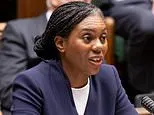
In a Daily Mail opinion piece, Conservative leader Kemi Badenoch accuses Labour, and particularly newly appointed figures such as Andy Burnham, of prioritising welfare spending over national defence. She argues that Sir Keir Starmer's government has become fixated on taxing wealth creators to fund an ever-expanding benefits system, warning that this approach is driving entrepreneurs and high earners out of the country while leaving the Armed Forces underfunded.
Badenoch cites businessman Chris Rokos, described as Britain's third-largest taxpayer, who announced he is leaving the UK, taking around £330 million a year in tax revenue with him, equivalent to more than 38,000 average taxpayers. She sets out her own proposals, including reinstating the two-child benefit cap, cutting housing allowance, and removing tax exemptions from the Motability car scheme, framing these as costed measures to help fund a rise in defence spending to 3% of GDP by 2030, while contrasting her plans with what she calls Labour's lack of a coherent strategy and Reform UK's internal disarray.
In short
- Badenoch says Labour prioritises welfare over national defence spending
- Cites Chris Rokos leaving UK, taking £330m in annual tax
- Proposes benefit cuts to help fund defence spending to 3% of GDP by 2030
Steelman: both sides, in good faith
The strongest fair case each way — we don't pick a winner.
The case for
Badenoch’s case is that sustained defence readiness requires reliable funding, and that expanding welfare commitments while leaving the Armed Forces underfunded risks weakening the country’s security. She argues that higher taxes on wealth creators may encourage some to leave, shrinking the tax base, and proposes welfare changes to help fund defence spending.
The case against
The counter-case is that welfare supports people facing hardship and that cuts to benefits or related support can impose serious costs on low-income families and disabled people. Defence funding need not be framed as a choice against welfare: critics could argue the government should weigh tax changes, spending priorities and economic effects carefully, rather than assume Badenoch’s proposed cuts are the fairest or most effective way to reach a higher defence target.
Explained simply
The UK Government raises money through taxes and uses it to pay for public services and support, including welfare benefits and defence. The Conservatives and Labour differ over how much to spend in these areas, how to raise the money and what role benefits should play.
Kemi Badenoch leads the Conservative Party, while Keir Starmer leads the Labour government. Andy Burnham is the Labour mayor of Greater Manchester; Chris Rokos is a billionaire hedge fund manager. Their roles matter to the debate over taxation, welfare and public spending.
The Armed Forces are funded from public money, and defence spending is often discussed as a share of the country’s economic output, or GDP. Proposals to increase that share raise questions about how to pay for it, including whether to change taxes, benefits or other public spending.
Art Culture Government Politics UK World