Culture news and discussion on TalkFuse.
Kemi Badenoch’s popularity is rising – but voters still unconvinced by Tory party, new poll shows
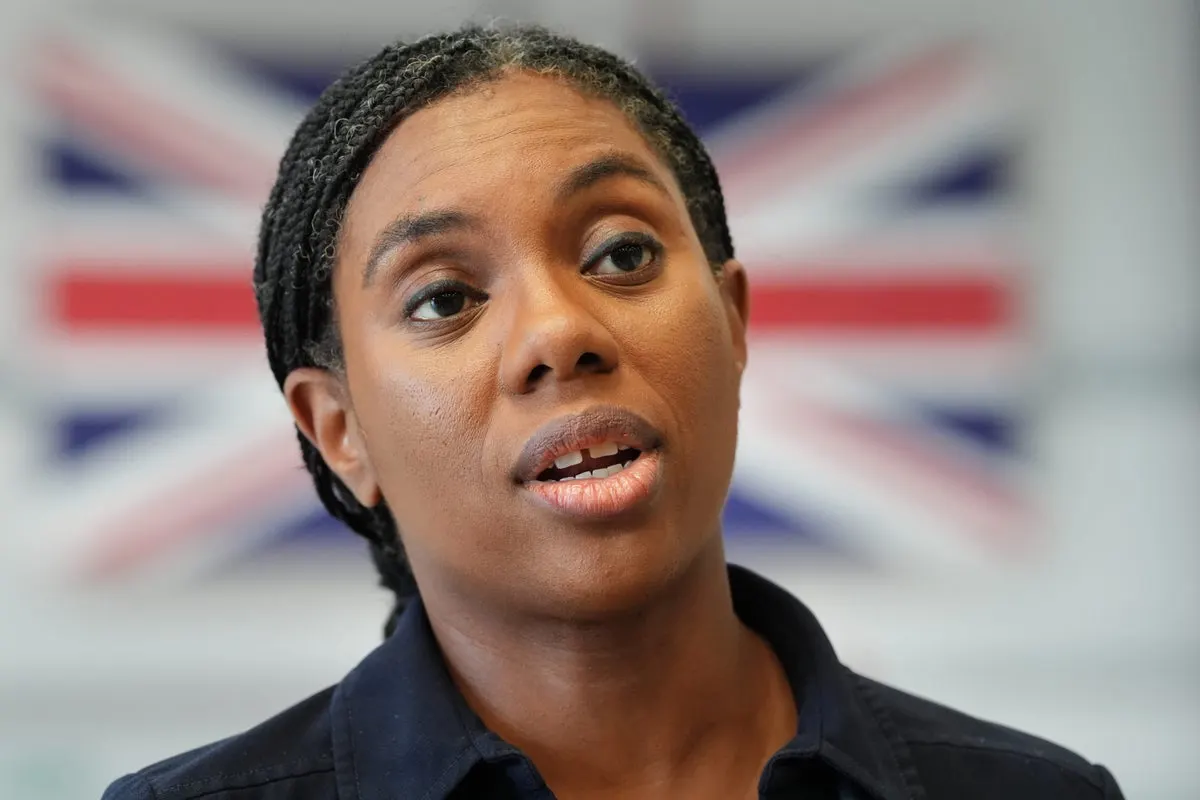
Kemi Badenoch’s personal popularity has risen sharply, according to YouGov, but this has not translated into strong support for the Conservative Party. The findings matter because they suggest voters may view Badenoch more favourably than her party, while still doubting whether the Conservatives have changed after their previous election defeat.
Thirty-eight per cent of Britons say Badenoch is performing well as leader, up from 14 per cent in October, and 27 per cent see her as a potential prime minister, compared with 8 per cent previously. However, only 20 per cent say they would vote Conservative at the next general election, while concerns that the party has not learned from its mistakes remain significant; Labour leads recent voting-intention polling on 24 per cent, ahead of Reform UK on 22 and the Conservatives on 21.
In short
- Badenoch’s ratings have improved substantially.
- Conservative support remains weak despite her rise.
- Labour narrowly leads current voting intentions.
Steelman: both sides, in good faith
The strongest fair case each way — we don't pick a winner.
The case for
Kemi Badenoch's sharply rising personal popularity represents genuine momentum and opportunity for the Conservative Party. Her jump from 14 per cent to 38 per cent on leadership performance shows she is successfully connecting with voters and building credibility as a potential prime minister. The disconnect between her personal appeal and party support suggests not fundamental damage, but rather that voters remain open to a Conservative revival if Badenoch can extend her personal brand to rehabilitate the party's wider reputation. With room to grow from the current 21 per cent voting intention, her rising approval ratings provide a foundation for recovery.
The case against
The polling data reveals the depth of the Conservative Party's brand damage and suggests structural barriers to recovery. Voters are essentially accepting the leader whilst rejecting the party, which implies they do not believe the Conservatives have genuinely changed or learned from past failures. Despite Badenoch's improved personal ratings, Conservative voting intention remains at 21 per cent—below both Labour and Reform—suggesting her popularity has not penetrated the electorate or convinced voters to reconsider their fundamental doubts about the party. This indicates that personal popularity has limited capacity to reverse the institutional loss of trust.
Explained simply
Kemi Badenoch leads the Conservative Party, which lost the 2024 general election after 14 years in government. She became leader later that year, taking over a party facing questions about its record in office and the reasons for its defeat.
A leader’s personal standing and support for their party can differ: voters may have a more favourable view of Badenoch than of the Conservatives as a whole. The party’s prospects depend in part on whether voters believe it has learned from its time in government and can offer a credible alternative to its rivals.
Art Culture Elections Politics Research Science