Politics news and discussion on TalkFuse.
Badenoch challenges Burnham over unpublished terms of EU summit agreements
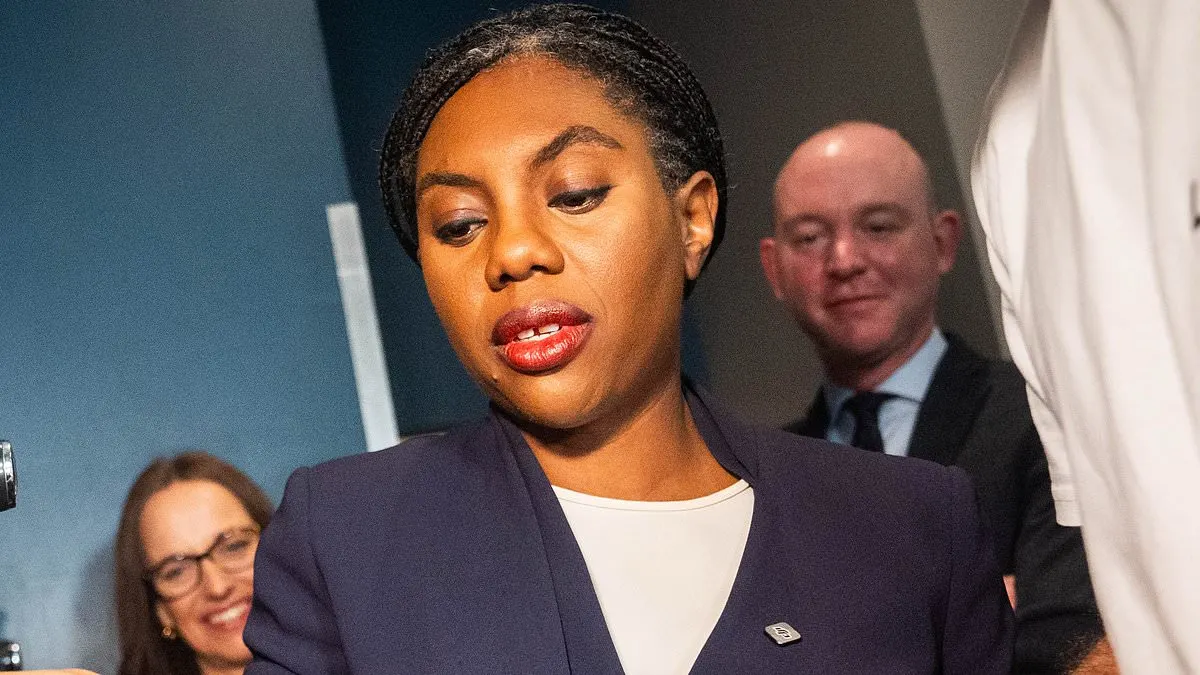
Conservative leader Kemi Badenoch has accused Prime Minister Andy Burnham of keeping Parliament and the public in the dark about the terms of agreements reached at a recent EU summit. She says the Government is treating the deal as settled before publishing its legal text, and has urged the Prime Minister to explain what he agreed.
The Prime Minister is due to make a statement to Parliament on Monday, but MPs may not see the detailed text until Wednesday. The agreements could be jeopardised by disagreement over whether EU students should pay the same university fees as UK residents. Badenoch argues that closer European ties offer too little economic benefit, citing a possible gain of 0.4 per cent of GDP, and says Britain should look to markets including India, Indonesia and the US; Nigel Farage is also expected to criticise closer alignment with Brussels.
In short
- Badenoch says the EU deal’s terms are being kept from Parliament and the public.
- The treaty text may not be released until Wednesday.
- A dispute over EU student fees could threaten the agreements.
Steelman: both sides, in good faith
The strongest fair case each way — we don't pick a winner.
The case for
Publishing the legal text before Parliament is asked to assess the agreements would let MPs and the public scrutinise their obligations and implications, including the unresolved question of student fees. Given the claimed economic gain is modest, critics can reasonably argue that closer alignment with the EU may bring costs or constrain other priorities, and that Britain should weigh alternatives such as trade with India, Indonesia and the US.
The case against
The Government can argue that closer European ties may yield economic and practical benefits, and that agreements reached at a summit should be judged on their full terms rather than a single estimate of GDP growth. A parliamentary statement before the legal text is published could be a reasonable step in explaining the deal, provided MPs receive the detail in time for meaningful scrutiny and decisions on issues such as student fees.
Explained simply
Britain and the European Union negotiate agreements on issues such as trade, travel and research. The exact legal wording matters because it sets out what each side has committed to and how the arrangements will work.
The Prime Minister leads the Government’s negotiations, while Parliament scrutinises its decisions and can question ministers. The Conservative Party, led by Kemi Badenoch, is the main opposition party; Nigel Farage leads Reform UK, another party that has argued for a different relationship with the EU.
Closer ties with the EU can bring economic and practical benefits, but may also involve costs or rules that are contested in Britain. University fees are one point of disagreement, because arrangements for EU students could affect both access to UK universities and the cost of study.
Geopolitics Government Politics UK World
Read the full article at the source →
Originally published by Daily Mail as “Kemi urges PM to ‘come clean on his terrible Brussels deal’ – and accuses him of keeping Brits in the dark”.