World news and discussion on TalkFuse.
Kenyan court dismisses Rastafarians’ bid to legalise cannabis
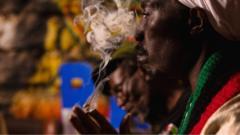
Kenya’s High Court has rejected a bid by the Rastafari Society of Kenya to allow cannabis use for religious worship, ruling that the country’s drug laws do not breach constitutional protections for freedom of religion and belief. The decision is significant because it preserves Kenya’s strict ban on cannabis while also signalling that any change would need to come through a wider legal and political debate, not a court exemption for one group.
The case centred on a request to let Rastafarians grow, possess and use cannabis privately in homes and designated places of worship, rather than to legalise it generally. Justice Bahati Mwamuye said the group had not shown consistently enough that cannabis use was an essential element of Rastafarian faith, while the state argued an exemption could weaken enforcement and create trafficking loopholes. Under Kenyan law, personal possession can bring up to five years in prison or a fine of about $800 (£600), while cultivation can carry up to 20 years in jail and/or a fine of $1,900 or three times the plants’ market value. The ruling ends a six-year legal battle and comes seven years after a separate court decision recognised Rastafarianism as a protected religion in Kenya.
In short
- Kenya’s court refused a religious cannabis exemption.
- Judges upheld existing anti-drug laws.
- Wider cannabis reform debate remains unresolved.
Steelman: both sides, in good faith
The strongest fair case each way — we don't pick a winner.
The case for
Rastafarians contend that cannabis use is integral to their spiritual practice and that the state's refusal to grant a narrow exemption for private religious use violates their constitutional right to freedom of religion. They argue that Kenya already recognises Rastafarianism as a protected faith, making this denial inconsistent, and that many democracies grant similar exemptions for sincere religious convictions without causing enforcement problems. A carefully regulated exemption for religious purposes need not compromise drug enforcement or create trafficking loopholes.
The case against
The state argues that religious exemptions to drug laws undermine consistent enforcement, create potential loopholes for trafficking and abuse, and establish troubling precedents for other substances and faiths. The court found insufficient evidence that cannabis is truly essential to Rastafarian practice rather than cultural tradition, and the state has a legitimate interest in maintaining uniform drug laws. Public health and drug enforcement concerns justify applying laws equally to all citizens regardless of religious belief.
Explained simply
Kenya has long enforced strict laws banning cannabis throughout the country. Anyone caught with cannabis faces severe penalties: up to five years in prison or a fine of around £600 for personal possession, and up to 20 years in jail for growing the plant. These laws apply to all people regardless of their circumstances or beliefs.
In 2019, Kenya's courts recognised Rastafarianism as a protected religion, meaning followers are entitled to legal protection for their beliefs and religious practices. For some Rastafarians, cannabis use forms an important part of their spiritual worship. This recognition raised a question: might religious protection extend to allowing cannabis use, despite the national ban?
The Rastafari Society of Kenya decided to test this through the courts, asking whether they could be given permission to grow and use cannabis in homes and dedicated places of worship. The case centred on a fundamental tension in law: how countries balance protecting minority religions against maintaining uniform laws that apply to everyone equally. It illustrated whether exemptions from the law might be possible for specific groups based on deeply held religious beliefs.
Africa Government Politics World