Politics news and discussion on TalkFuse.
Key takeaways from Budget 2026 from taxes to new bills support
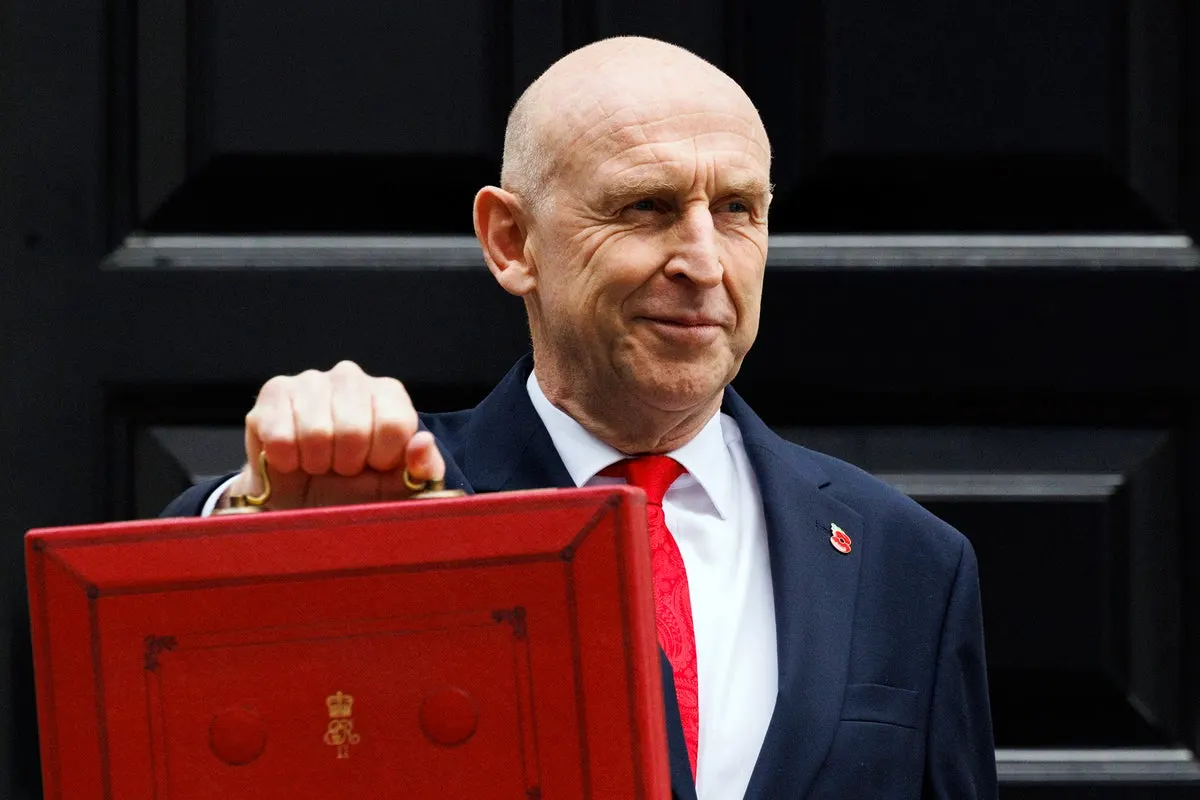
Chancellor John Healey’s first Budget set out measures intended to ease pressure on households and businesses facing higher costs, while promising to fully fund the UK’s defence investment plan. He deferred details of how defence spending will be paid for until next year’s spending review, and presented the immediate support as providing “breathing space” amid economic uncertainty linked to the Iran war.
The measures include extending the electricity VAT cut to July, worth about £50 against the annual price cap, and a £100 energy payment for households in council tax bands A to D. The Budget also removes standing charges from household gas bills, expands hospitality business rates relief so 17,000 small firms qualify, and raises machine games duty on higher-stakes gambling machines from 20 to 25 per cent. The national minimum and living wages are set to rise by 3.9 per cent, and online marketplaces will face stronger requirements to prevent sellers avoiding VAT.
In short
- A £100 energy payment is planned for households in council tax bands A to D.
- Hospitality rates relief is set to cover 17,000 small businesses.
- Defence funding details are deferred until next year’s spending review.
Steelman: both sides, in good faith
The strongest fair case each way — we don't pick a winner.
The case for
The package offers timely help with energy costs and business rates while raising minimum wages and closing VAT avoidance routes, which may protect household spending and support small firms. Supporters could argue that targeted, near-term relief gives people and businesses breathing space during uncertainty, while the higher duty on some gambling machines asks that sector to contribute more.
The case against
Critics could argue that the relief is limited and temporary, leaving households exposed to continuing high bills and businesses facing wider cost pressures. With the funding plan for defence deferred until next year, they may also question whether the Budget gives a clear account of how its commitments will be paid for or what trade-offs taxpayers will face.
Explained simply
A UK Budget is the government’s plan for taxes and public spending, announced by the Chancellor of the Exchequer. It can affect household bills, wages and the costs faced by businesses.
John Healey is the Chancellor, and the Budget also sets out the government’s plans for defence spending. Some funding decisions are made later through a spending review, which allocates money across government departments.
Energy bills include charges for the electricity or gas used, as well as fixed charges for being connected to the supply. Business rates are taxes on many shops, pubs and other commercial premises; the national minimum wage is the legal hourly pay floor, while the living wage is a higher rate.
Politics Space Technology UK World