Khaldoon al-Mubarak: the tightrope walker who made rare misstep over City charges
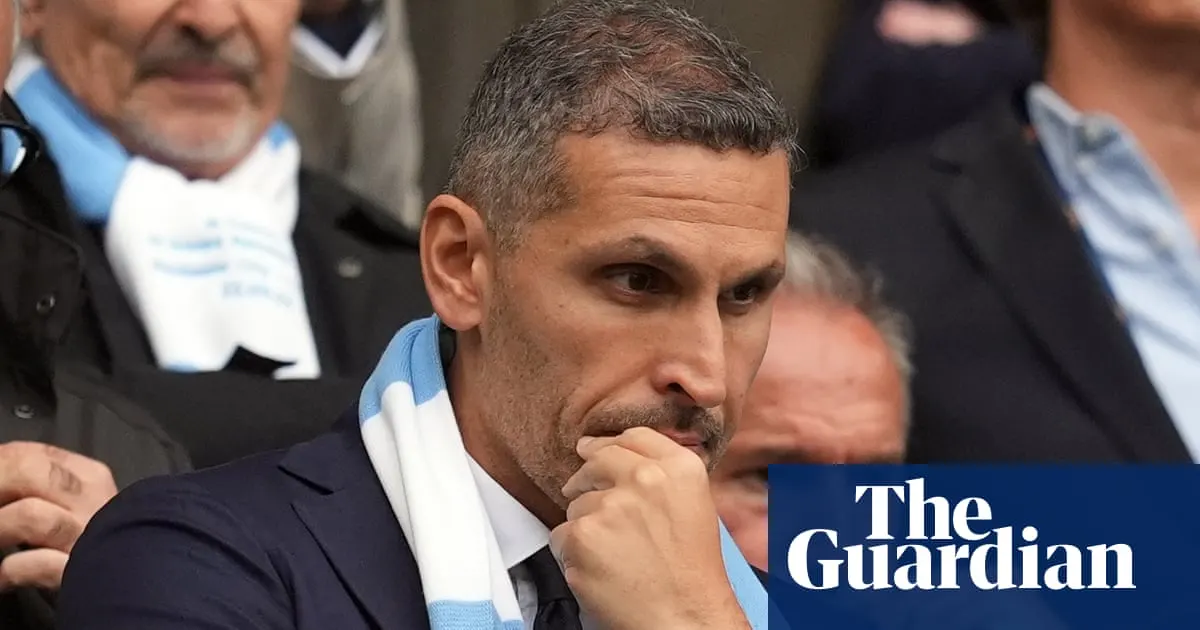
Khaldoon al-Mubarak, the influential chair of Manchester City and chief foreign policy adviser to Abu Dhabi's ruler, appears to have made a rare diplomatic misstep through his aggressive legal stance against football authorities over the club's 115 financial charges. His combative approach, reportedly dictated to City's lawyers, contrasts sharply with how rival club Paris Saint-Germain accepted UEFA punishment and cultivated positive relationships with European football's governing bodies, suggesting al-Mubarak may have broken an unwritten rule of diplomatic conduct by potentially embarrassing his government.
Al-Mubarak comes from a family deeply embedded in UAE leadership: his grandfather helped craft the UAE's Islamic legal framework as a founding figure, whilst his father, a senior diplomat, was assassinated in 1984 by Palestinian terrorists and honoured as a state martyr. Sources indicate al-Mubarak now holds considerable informal diplomatic authority over the UK, China and US files for Abu Dhabi, even possessing diplomatic immunity in Britain. Should City lose their appeal, he may be instructed to sell the club, marking a significant reversal for someone whose family has shaped modern Emirati governance.
- Al-Mubarak took aggressive legal stance on City charges unlike PSG's cooperation approach
- Highly influential UAE diplomat may face forced club sale if appeal fails
- His diplomatic misstep contradicts family tradition of high-level statemanship
New here? Start with this
Khaldoon al-Mubarak is the chairman of Manchester City football club and a senior foreign policy adviser to Abu Dhabi's ruler. The club is facing 115 allegations of breaching financial rules in English football, which it is fighting through aggressive legal action rather than accepting any penalties. Al-Mubarak has personally directed this combative legal response to the charges.
The aggressive stance has drawn attention because other major clubs that faced serious allegations, such as Paris Saint-Germain, have generally accepted penalties from governing authorities rather than mounting lengthy legal battles. Al-Mubarak's strategy appears to have broken an unwritten rule in international football diplomacy, potentially causing embarrassment to his government through this visible conflict with the authorities.
His family holds deep roots in UAE governance and leadership, which makes the current situation particularly significant for him personally. If the club loses its legal case, he may be instructed to sell it by his government, which would represent a major setback for someone whose family has held considerable influence in shaping modern Emirati politics.
Both sides, in good faith
The strongest fair case each way — we don't pick a winner.
The case for
Manchester City was entitled to defend itself vigorously against charges it believed to be unjust, and al-Mubarak's assertive legal strategy reflects a reasonable commitment to contesting what the club viewed as unfair regulatory proceedings. Accepting penalties without exhausting legitimate legal avenues would constitute unwarranted capitulation, and a club's right to pursue its legal interests should not be subordinated merely to preserve diplomatic relationships; principle and justice warrant determined advocacy.
The case against
As a senior UAE diplomat with significant influence over his nation's foreign policy, al-Mubarak bore a responsibility to balance the club's interests against his government's broader diplomatic standing, and his aggressive legal approach risked damaging important relationships with European football authorities for uncertain legal benefit. PSG's more conciliatory stance demonstrated how accepting sporting penalties whilst maintaining institutional goodwill can prove more strategically prudent than combative legal tactics, and al-Mubarak's confrontational approach may ultimately cost both the club and his nation far more than diplomatic restraint would have.