Conservatives propose new limits on teaching gender identity and privilege in schools
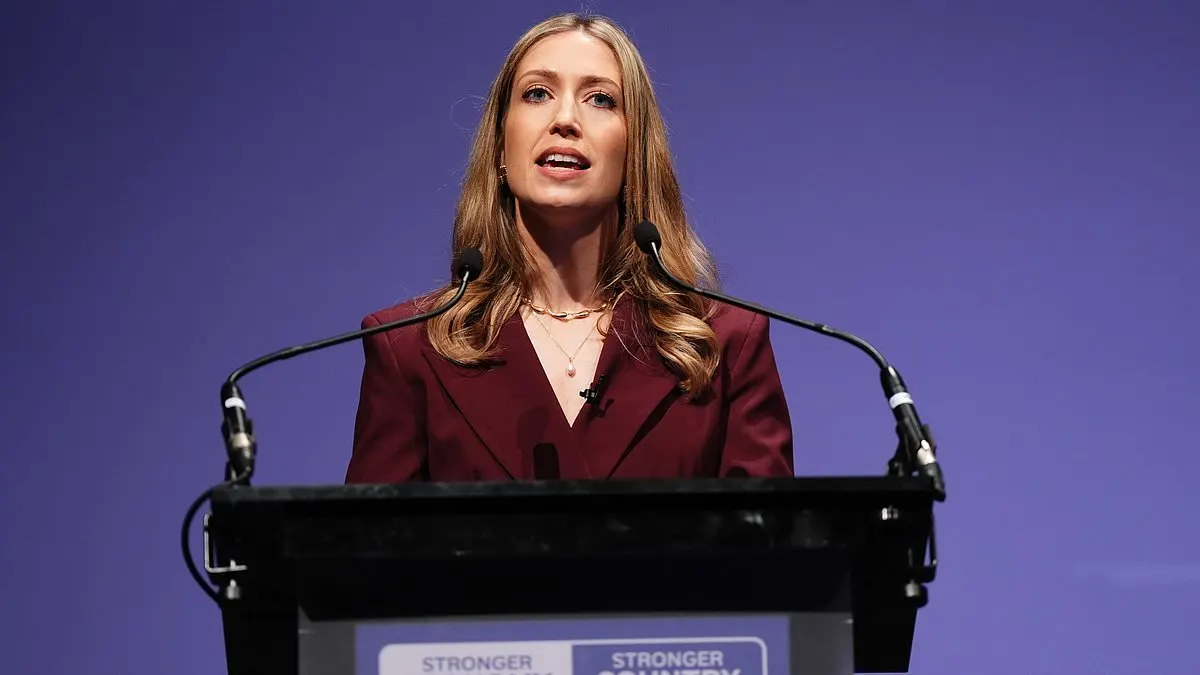
Laura Trott, Conservative shadow education secretary, has announced plans to ban teachers from discussing topics such as "white privilege" and gender identity in classrooms, framing such teaching as political activism rather than education. The proposals aim to tighten enforcement of schools' legal obligation to be impartial, which Conservatives argue is currently poorly enforced, with punitive measures against teachers who violate impartiality rules and greater parental oversight of curriculum content.
Under the plans, Ofsted inspectors would gain new powers to assess school impartiality, teachers would receive compulsory training on contested issues including climate change and sex education, and trade union involvement in schools would be restricted. Ms Trott also pledged to prevent schools imposing religious dress codes, referencing a recent case at a north London Muslim school requiring young girls to wear headscarves. The National Education Union criticised the proposals as "disappointing", saying teachers already follow impartiality laws, and accused the Conservatives of bringing "Trump's culture war" into education.
- Conservatives propose banning discussion of topics like white privilege and gender in schools
- Plans include stricter Ofsted inspections and more parent access to teaching materials
- Teachers' unions say schools already follow impartiality laws and criticise "culture war" rhetoric
New here? Start with this
Some schools teach about topics such as gender identity and racial inequality in society, which supporters believe is important for pupils' understanding of the world. However, critics argue these subjects are politically contentious, and that schools have a duty to remain neutral on matters where there is public disagreement. This disagreement has prompted the Conservative Party to propose new restrictions on how such topics are taught.
Laura Trott, the Conservative shadow education secretary, has announced plans to strengthen legal requirements for schools to be impartial, with new powers for school inspectors to check whether schools are following this rule. The proposals include compulsory training for teachers on subjects where opinion differs widely, restrictions on trade union involvement in schools, and measures to prevent schools from imposing religious dress codes. Teachers who breach impartiality rules would face punitive measures, and parents would have greater say over what their children are taught.
The proposals have sparked disagreement about whether schools are currently overstepping their duty to be impartial or whether the Conservatives are trying to prevent legitimate discussion of important social issues. Teachers' unions have argued that schools already follow impartiality laws and suggested the plans amount to importing culture war politics into education. The debate reflects broader questions about how schools should handle sensitive or controversial subjects.
Both sides, in good faith
The strongest fair case each way — we don't pick a winner.
The case for
The Conservative argument rests on the principle that schools must serve all families impartially and should not advance contested political positions as established fact. They argue that existing impartiality laws are inadequately enforced and that teachers presenting topics such as 'white privilege' or particular gender ideologies are engaging in activism rather than neutral education. From this view, strengthening oversight through Ofsted assessment and providing compulsory training on contested issues protects students' education from becoming a vehicle for political perspectives, whilst professional teachers remain free to teach established knowledge and help students understand multiple viewpoints.
The case against
Critics argue that teaching about structural inequalities, historical injustices, and gender identity constitutes legitimate education in history, sociology, and student welfare—not political activism. They contend that restricting such discussions actually impoverishes education and prevents teachers from helping students understand real experiences that affect their peers' inclusion and belonging. From this perspective, the proposals represent selective culture war politics that target progressive topics whilst leaving other ideological teaching untouched, and that professional educators—not anxious parents—should determine how complex social issues are taught appropriately to young people.
Read the full article at the source →
Originally published by Daily Mail as “Kick political activism out of the classroom to stop teachers ‘brainwashing our children’ with trans ideology and ‘white privilege’, says Laura Trott”.