New releases, music videos and album news — indie, rap, rock and pop. Always covering Ren, Chris Webby, Sam Tompkins, bbno$, CHINCHILLA, Muse, Yungblud and more.
Killer clowns and an orange goon: The “ridiculous” 2016 phenomenon John Carpenter couldn’t stand
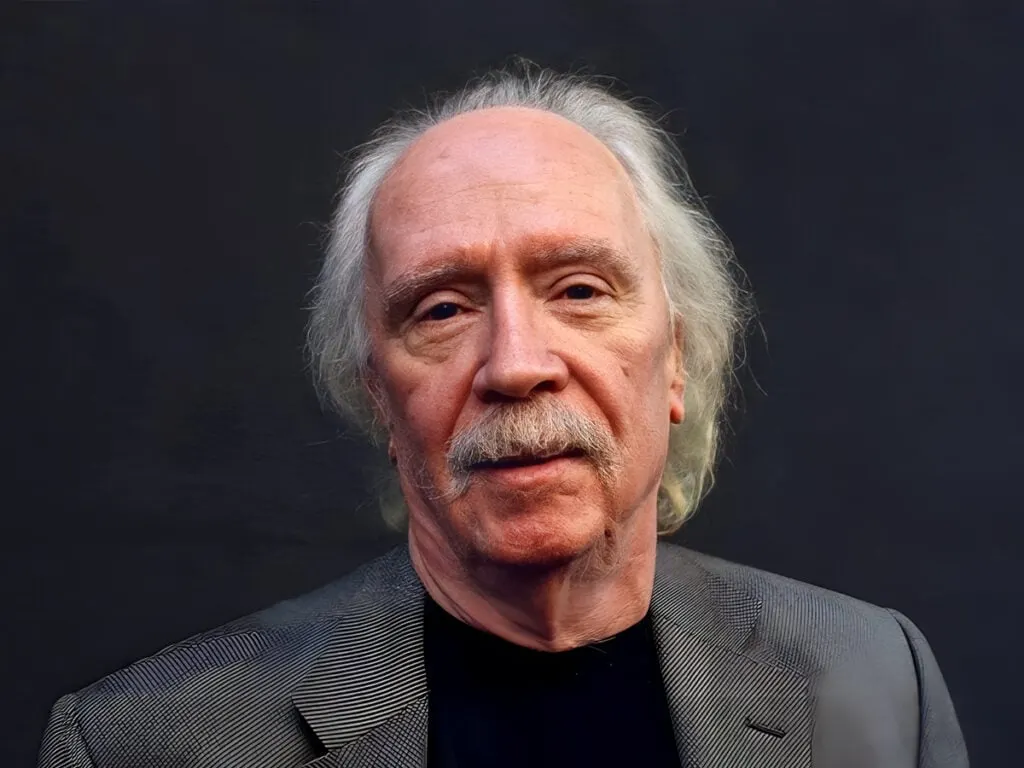
This article revisits the 2016 "killer clown" panic and uses it as a springboard to recall horror director John Carpenter's criticism of the trend, alongside his separate condemnation of Donald Trump. Carpenter, creator of Michael Myers, dismissed people dressing as menacing clowns and frightening the public as "ridiculous" and reckless, distinguishing between fictional scares and real-world danger to bystanders.
The clown craze reportedly began with a Green Bay, Wisconsin sighting that was actually a horror film marketing stunt, prompting copycats worldwide and prompting community warnings. Speaking to The Standard, Carpenter, then noting Trump's ability to unsettle people "in a different way" from his films, said what troubled him most was "how easily people buy into it," blaming Trump for a rise in racism, violence and xenophobia in America. The piece notes that a decade on, clown sightings have faded but concerns about Trump's influence persist, with Carpenter, now 78, remaining outspoken in his criticism.
In short
- John Carpenter called 2016's killer clown craze "ridiculous" and dangerous
- Craze traced to a Green Bay, Wisconsin horror-film marketing stunt
- Carpenter also criticised Donald Trump, citing rising racism and xenophobia
Steelman: both sides, in good faith
The strongest fair case each way — we don't pick a winner.
The case for
Carpenter’s criticism can be seen as a defence of public safety and civic trust: frightening strangers for amusement can cause real distress and prompt people to mistake a stunt for a genuine threat. His concern about Trump’s influence likewise reflects a view that political rhetoric can make prejudice and violence seem more acceptable, and that prominent figures should be held responsible for those effects.
The case against
A thoughtful counterargument is that clown pranks, however ill-judged, should be distinguished from actual violence, and that broad condemnation may overlook harmless performance or exaggerate the danger of isolated stunts. On Trump, critics of Carpenter’s assessment could argue that claims about political rhetoric causing social harms are contested, and that voters may support Trump for other reasons without endorsing racism or xenophobia.
Explained simply
The killer clown panic was a wave of reports in 2016 about people dressed as frightening clowns appearing in public. It reportedly began with a publicity stunt for a horror film in Green Bay, Wisconsin, before copycat sightings spread and led to warnings in some communities.
John Carpenter is a US film director known for horror films, including Halloween, which introduced the masked killer Michael Myers. Donald Trump is a US politician who was elected president in 2016; Carpenter has separately criticised his influence on American public life.
The story connects the clown panic with Carpenter’s comments about real people causing fear, and his wider concerns about racism, violence and xenophobia. It raises the distinction between scares created for entertainment and actions that may alarm or endanger people in public.