Killer who murdered a shop worker is set to be executed by lethal injection in Texas – the first since Christa Pike debacle
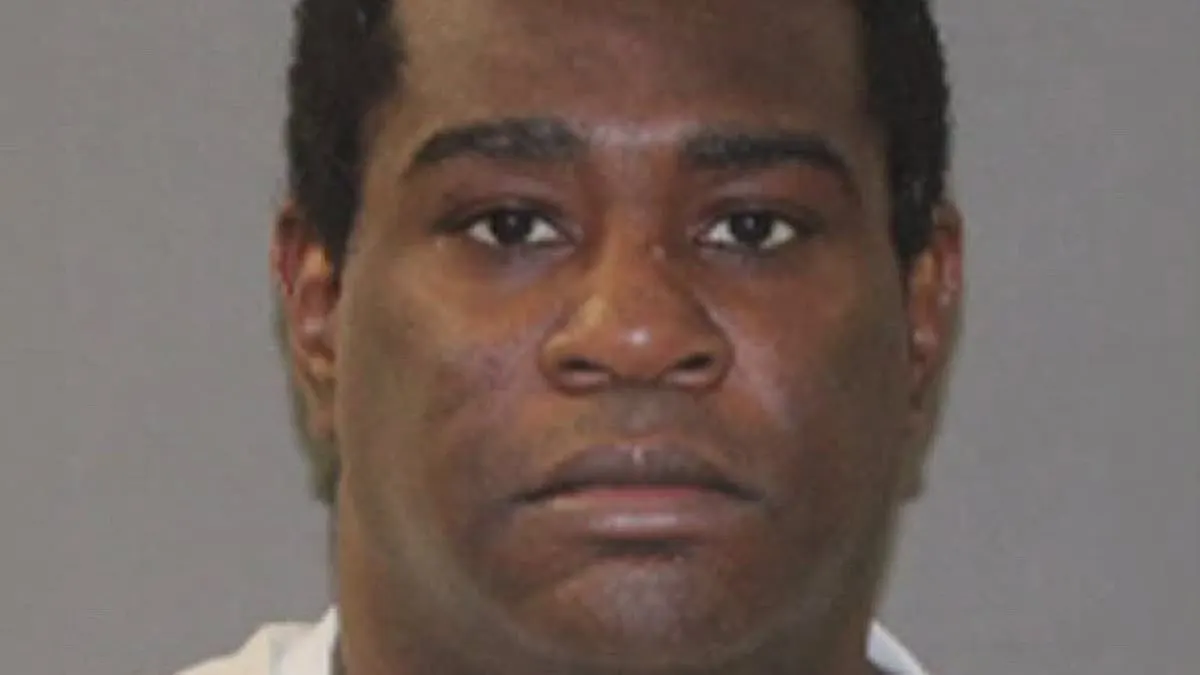
Jamaal Howard, 46, is set to be executed by lethal injection in Texas on Wednesday for the 2000 murder of convenience store clerk Vickie Swartout. This execution will be the nation's 30th this year and marks the first US execution since Tennessee's unsuccessful attempt to execute Christa Pike last week, raising concerns about the safety and ethics of lethal injection.
Howard shot Swartout, 42, once in the chest during a robbery at a shop in rural Texas when he was 20 years old, stealing $114 and cigarettes. His attorneys have requested a 30-day reprieve from Texas governor Greg Abbott, arguing that he is intellectually disabled and suffers from chronic schizophrenia, hallucinations and traumatic brain injury from a previous shooting, and citing Pike's failed execution as evidence that lethal injection is both cruel and unsafe. The Supreme Court has an appeal pending to stop the execution.
- Texas executes convenience store robber Jamaal Howard by lethal injection Wednesday.
- First US execution since failed Christa Pike case raises lethal injection safety concerns.
- Howard's lawyers argue intellectual disability and mental illness should halt execution.
New here? Start with this
Jamaal Howard was convicted of murdering convenience store clerk Vickie Swartout during a robbery in rural Texas in 2000, when he was 20 years old. Howard shot Swartout in the chest and stole $114 and cigarettes. He has been on death row since his conviction.
Lethal injection is the primary execution method used in Texas and several other US states. The procedure involves administering chemicals intended to stop the heart and brain function. Concerns about whether the method is safe and humane have existed for years amongst legal experts and human rights organisations.
Recent problems during an execution attempt in another state have intensified scrutiny of lethal injection. Howard's legal team argues that his intellectual disability and mental health conditions, including chronic schizophrenia and traumatic brain injury, should prevent his execution. The case highlights broader questions about the ethics of lethal injection and how courts should weigh mental health in capital cases.
Both sides, in good faith
The strongest fair case each way — we don't pick a winner.
The case for
Advocates for proceeding with the execution note that Howard committed premeditated murder and received a lawful death sentence through proper legal processes; 26 years of appeals and review represent substantial opportunity to address injustices, and the rule of law requires that judgements eventually become final. They argue that victims and their families deserve closure, that societies require proportionate consequences for taking innocent lives, and that executing convicted murderers serves both justice and public interest.
The case against
Those seeking to stop or reprieve the execution emphasise Howard's documented intellectual disability and severe mental health conditions—schizophrenia, hallucinations, and traumatic brain injury—which they argue should disqualify him from capital punishment on both constitutional and moral grounds. They point to the Pike execution's failure as evidence that lethal injection poses unacceptable risks of cruel suffering, and contend that executing an intellectually disabled person with serious mental illness represents a failure of legal safeguarding, warranting a reprieve pending fuller examination.