World news and discussion on TalkFuse.
Kim Jong Un’s nuclear buildup sparks ‘serious concern’ ahead of Trump-Xi-Putin summit
Developing story first seen 11 hours ago
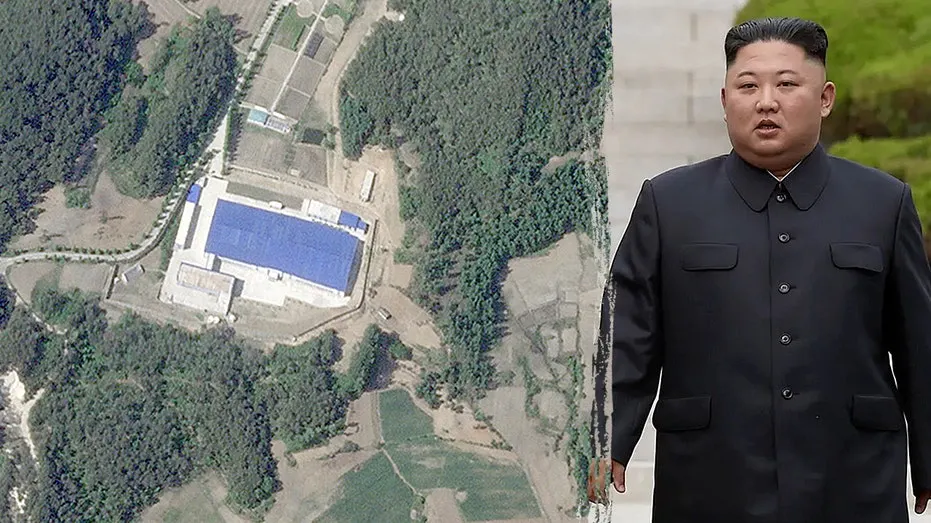
The IAEA has reported that a new extension to North Korea’s uranium enrichment facility at Yongbyon was externally complete by late October, renewing concern over the country’s production of weapons-grade nuclear material. The update comes as Donald Trump prepares for talks with Xi Jinping and Vladimir Putin, where nuclear arms negotiations are expected to feature.
IAEA chief Rafael Grossi said construction began in mid-September 2026, and that enrichment activity continues at Yongbyon and Kangson. The agency also said Yongbyon’s 5-megawatt reactor is likely to continue its seventh irradiation cycle, while a separate light-water reactor resumed operations in April. North Korea has rejected calls to dismantle its nuclear programme, and the IAEA has had no inspectors in the country since 2009, relying mainly on satellite imagery and other information.
- Sources
- 2
- Outlets
- 2
- Left · Centre · Right
- 0 · 0 · 2
In short
- A Yongbyon enrichment facility extension was completed externally in late October.
- The IAEA says North Korea’s nuclear programme remains a serious concern.
- Trump, Xi and Putin are due to discuss nuclear arms negotiations.
How this story developed
- 3 hours ago The IAEA has reported that a new extension to North Korea’s uranium enrichment facility at Yongbyon was externally complete by late October, renewing concern over the country’s production of weapons-grade nuclear material.
- 5 hours ago North Korea is expanding its nuclear facilities at Yongbyon, prompting the UN’s nuclear watchdog to warn that the country’s uranium enrichment programme is a “cause for serious concern”.
Steelman: both sides, in good faith
The strongest fair case each way — we don't pick a winner.
The case for
North Korea’s expanding facilities and continued reactor activity could increase its capacity to produce material for nuclear weapons, while the absence of IAEA inspectors makes independent verification harder. Advocates of a firm response would argue that this warrants urgent diplomatic pressure and close monitoring, particularly as any summit involving the US, China and Russia could shape how the issue is addressed.
The case against
Construction and activity at nuclear sites do not by themselves establish how much weapons-grade material North Korea is producing or what it intends to do with it, especially when the IAEA cannot inspect the facilities directly. Advocates of caution would argue that overstating what satellite observations show could heighten tensions, and that keeping open the possibility of talks with Kim may offer a route to clearer information and risk reduction.
Explained simply
North Korea’s nuclear programme involves developing the materials and technology used to make nuclear weapons. Yongbyon is a major nuclear complex, where facilities can enrich uranium or produce plutonium, both of which can be used in weapons.
North Korea is led by Kim Jong Un, whose government has pursued nuclear weapons despite international sanctions. The International Atomic Energy Agency monitors nuclear activity worldwide, but it has had no inspectors in North Korea since 2009, so it relies largely on satellite images and other information.
The United States, China and Russia are influential in efforts to address North Korea’s nuclear programme. Their leaders are preparing for talks, and US President Donald Trump has floated a possible meeting with Kim, though none has been confirmed.
Coverage · 2 sources
Bias meters
From 2 rated sources.
Asia Geopolitics Politics World