Kimberly Guilfoyle is out… but the scandal is far from over. Read what’s next in this week’s DC Insider
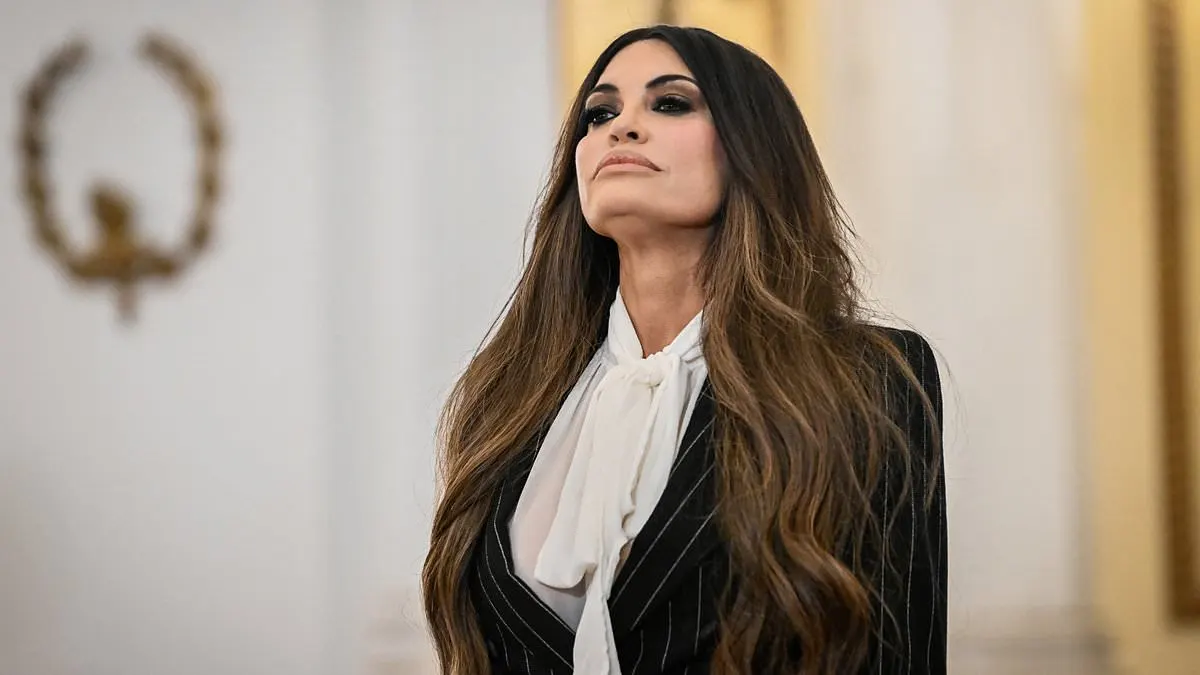
Kimberly Guilfoyle has resigned as US ambassador to Greece after reports about her alleged demands for travel, dining and other benefits prompted a State Department investigation. The dispute has drawn scrutiny inside the White House, and questions about her conduct may continue, particularly if Democrats gain control of the House and its investigative powers.
Leaked messages reportedly showed Guilfoyle seeking $100,000 to pay a credit card bill before starting the diplomatic role. She has denied the allegations, called them false and said she will defend her reputation; she described the ambassadorship as “the honour of a lifetime” in her resignation post. The article says the investigation followed earlier reports about her spending and lifestyle.
- Guilfoyle resigned as ambassador to Greece amid scrutiny of her alleged spending.
- A State Department investigation followed reports and leaked messages.
- She denies the allegations and says she will defend her reputation.
New here? Start with this
A US ambassador represents the country in another nation and is expected to follow government rules on spending and official conduct. Kimberly Guilfoyle, a former television presenter and political figure, held that role in Greece.
Reports about her travel, dining and other expenses have raised questions about whether she followed those rules. Guilfoyle denies the allegations and says she will defend her reputation.
The State Department oversees the conduct of US diplomats, while Congress can investigate government matters. Any further scrutiny could depend on the investigation’s findings and on which party controls the House of Representatives.
Both sides, in good faith
The strongest fair case each way — we don't pick a winner.
The case for
Those supporting continued scrutiny could argue that an ambassador’s use of public resources and conduct in office warrant independent investigation, especially given reported requests for travel, dining and other benefits. Examining the allegations would help establish the facts, protect public trust and clarify whether any rules were breached, regardless of Guilfoyle’s resignation.
The case against
Those urging caution could argue that reported messages and allegations do not establish misconduct, and Guilfoyle has denied them and says she will defend her reputation. Any inquiry should be evidence-led, respect due process and avoid turning oversight into partisan spectacle, particularly when further scrutiny is being discussed in light of possible changes in control of the House.