King Charles begins Caribbean tour as reparations calls grow in The Bahamas
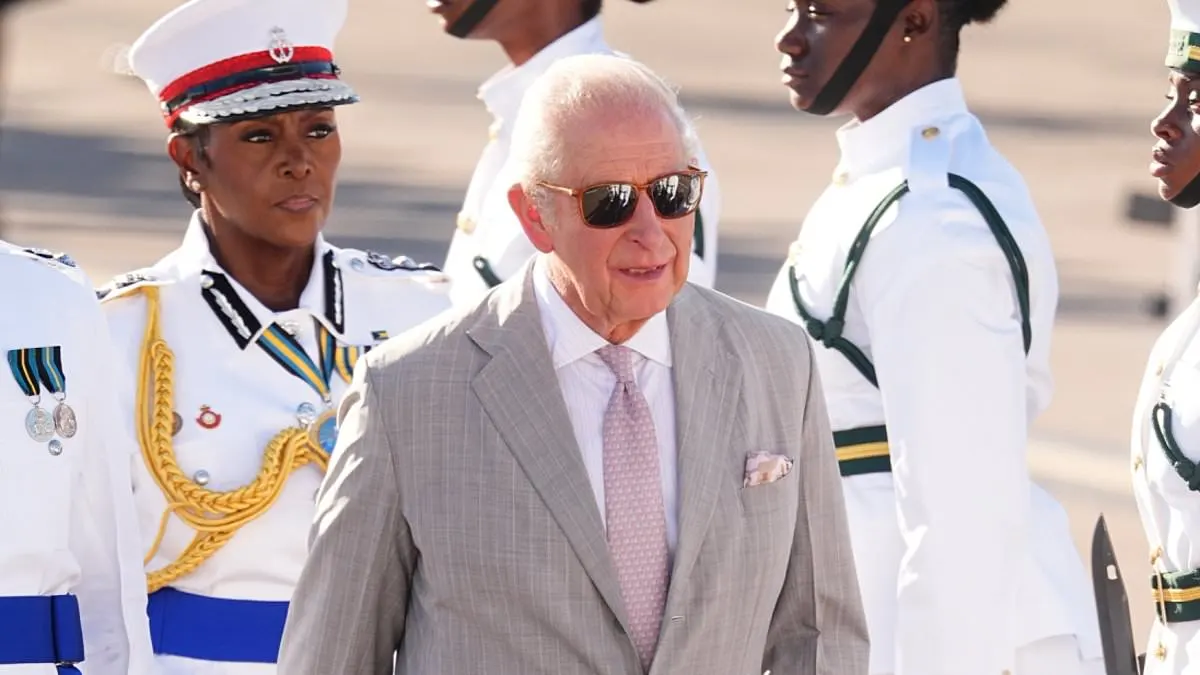
King Charles began an eight-day Caribbean tour in The Bahamas, where he acknowledged the suffering caused by the historic transatlantic slave trade. His remarks address growing calls for Britain to apologise and provide reparations, while the issue risks overshadowing the visit.
The 77-year-old arrived in Nassau on Tuesday and received a ceremonial welcome before attending a youth rally, where some protesters called for reparations. He is due to visit Guyana and Antigua and Barbuda, with the Queen joining later in the week. The British government rejects financial compensation, and the King is not expected to offer an apology or payment.
In short
- Charles acknowledged the suffering caused by slavery.
- Reparations demands are a backdrop to his Caribbean tour.
- He is visiting The Bahamas, Guyana and Antigua and Barbuda.
Steelman: both sides, in good faith
The strongest fair case each way — we don't pick a winner.
The case for
Supporters of reparations argue that acknowledging slavery’s lasting harm should lead to practical measures, since its effects shaped wealth and opportunity across generations. They see an apology and compensation or other reparative measures as a meaningful form of accountability, and believe the King’s visit is an opportunity to address those calls directly.
The case against
Those opposing financial reparations argue that present-day taxpayers should not be held liable for historic wrongs, particularly when responsibility and the form of any payment are contested. They may favour acknowledging the suffering and supporting Caribbean communities through partnership or development, while cautioning that demands for an apology or payment could overshadow the visit and its current diplomatic aims.
Explained simply
The Bahamas is an independent country with a longstanding constitutional link to Britain: its monarch is King Charles, while elected Bahamian leaders run the government. The country was formerly part of the British Empire, where plantation economies relied on enslaved Africans and their descendants.
The transatlantic slave trade forcibly carried millions of Africans to the Americas, including the Caribbean, where many were enslaved. Calls for reparations seek ways to address the lasting effects of slavery, and proposals range from apologies and investment to financial compensation.
The debate involves Caribbean governments and campaigners, the British government and the monarchy, whose role is largely constitutional. It matters because countries differ over what responsibility Britain should accept and what, if anything, should be done to address the legacy of slavery.
Read the full article at the source →
Originally published by Daily Mail as “King Charles arrives in The Bahamas as he kicks off Caribbean tour amid demands from Commonwealth nations for slavery reparations – and monarch ‘won’t shy away from shameful past’”.