King Charles voices concern over worsening US-Iran conflict to Pakistani mediator
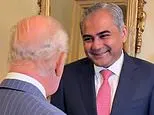
King Charles was overheard in a hot mic moment expressing private concerns that the US-Iran conflict, now in its seventh month, is worsening. He made the remark to Mohsin Naqvi, chairman of the Pakistan Cricket Board and Pakistan's Interior Minister, who is also leading negotiations between Washington and Tehran, while hosting the Pakistan cricket team at Clarence House. The exchange comes at a sensitive moment, as reports suggest Donald Trump is privately weighing whether to declare the conflict over, even as fighting has recently intensified.
Charles told Naqvi "it's all going backwards," to which the diplomat agreed the talks had been "one step forward and one step back" and among the most difficult he had been involved in. Separately, the Wall Street Journal reported Trump now favours ending the war, believing economic pressure will force Iran to abandon its nuclear programme or collapse, despite aides warning that further escalation could hurt Republican prospects in November's midterms. Trump has said strikes could resume "any time," while Iran continued attacking US bases in Kuwait and Jordan, with all missiles intercepted; the King also received a signed cricket bat from the touring Pakistan team, who trail England 2-0 in their series.
In short
- Hot mic catches King Charles calling US-Iran war "going backwards"
- Remark made to Pakistani diplomat leading US-Iran negotiations
- Trump privately weighing declaring the seven-month conflict over
Steelman: both sides, in good faith
The strongest fair case each way — we don't pick a winner.
The case for
Those favouring an end to the conflict can argue that continued fighting risks more casualties, wider regional instability and economic harm, while a negotiated pause could create space for diplomacy. If economic pressure can be maintained without further strikes, it may give Iran an incentive to reach an agreement on its nuclear programme while limiting immediate escalation.
The case against
Those favouring continued military pressure can argue that ending the conflict before Iran changes course could leave its nuclear ambitions and capacity to threaten regional forces intact. They may see the threat of renewed strikes as essential leverage in negotiations, and worry that a premature end would allow Tehran to wait out economic pressure without making meaningful concessions.
Explained simply
The US–Iran conflict involves the United States and Iran, long at odds over Iran’s nuclear programme and regional influence. The fighting has raised concern about the risk of wider military escalation and disruption beyond the two countries.
Pakistan is acting as a mediator, trying to help Washington and Tehran reach an agreement. Mohsin Naqvi, Pakistan’s interior minister, is leading those discussions; King Charles met him while hosting Pakistan’s cricket team at Clarence House.
The talks matter because their outcome could affect whether fighting continues and how Iran’s nuclear programme is addressed. Pakistan’s role gives it a channel to communicate with both sides, while the conflict also has implications for US politics and regional security.
Asia Business Cricket Markets Middle East Sport World
Read the full article at the source →
Originally published by Daily Mail as “King Charles shares personal fears about Iran war as he meets Pakistani diplomat who is leading negotiations at Clarence House”.