Knicks star Jalen Brunson calls flopping technical foul ‘bulls—‘ as NBA refs enforce new emphasis
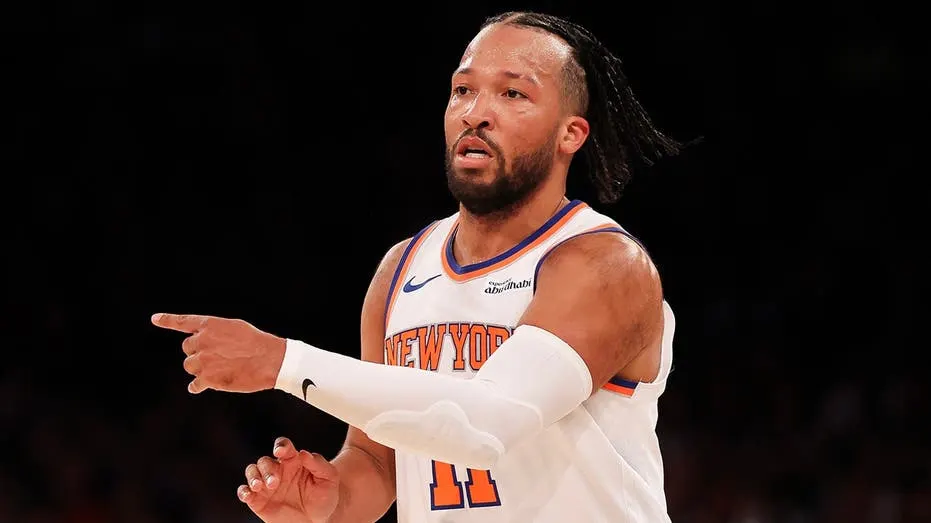
New York Knicks guard Jalen Brunson was called for a technical foul for flopping during a pre-season game against the Minnesota Timberwolves, despite apparent contact from Rudy Gobert. The decision matters because NBA officials are placing greater emphasis on penalising exaggerated reactions ahead of the 2026–27 season, raising questions about how they will distinguish flopping from a genuine response to contact.
The incident came in the first quarter, when Gobert appeared to push Brunson in the back as they battled for position. Brunson stumbled, recovered and returned to defend as LaMelo Ball scored a three-pointer; a baseline referee then assessed the technical, which Brunson angrily disputed. A flopping technical gives the opposing team a free throw and possession, potentially shifting momentum during close games.
- Brunson received a flopping technical despite apparent contact from Gobert.
- The NBA is making flopping a focus for the 2026–27 season.
- The call gives opponents a free throw and possession.
New here? Start with this
The NBA is the top professional basketball league in the United States and Canada. Jalen Brunson is a guard for the New York Knicks, while Rudy Gobert plays for the Minnesota Timberwolves; both teams compete in the league’s Western and Eastern conferences respectively.
Flopping is when a player exaggerates or pretends to have been fouled to influence the officials. The NBA can penalise it with a technical foul, which gives the other team a free throw and possession, so the call can affect a game’s momentum. Referees’ increased focus on flopping makes the distinction between an exaggerated reaction and a genuine response to contact important for players and teams.
Both sides, in good faith
The strongest fair case each way — we don't pick a winner.
The case for
Stronger enforcement could discourage players from exaggerating contact to win calls, making games fairer and easier for officials to manage. Clear penalties may also protect the flow of play and reward players who keep competing through ordinary physical contact.
The case against
A stumble after an apparent push can be a genuine reaction, and penalising it risks treating normal responses to contact as deception. Because the call gives the other team a free throw and possession, an incorrect judgement can have an outsized effect; stricter enforcement therefore needs reliable distinctions and consistent application.