World news and discussion on TalkFuse.
Korean lunar orbiter snaps first pics of the SpaceX Falcon 9 crash site on the moon
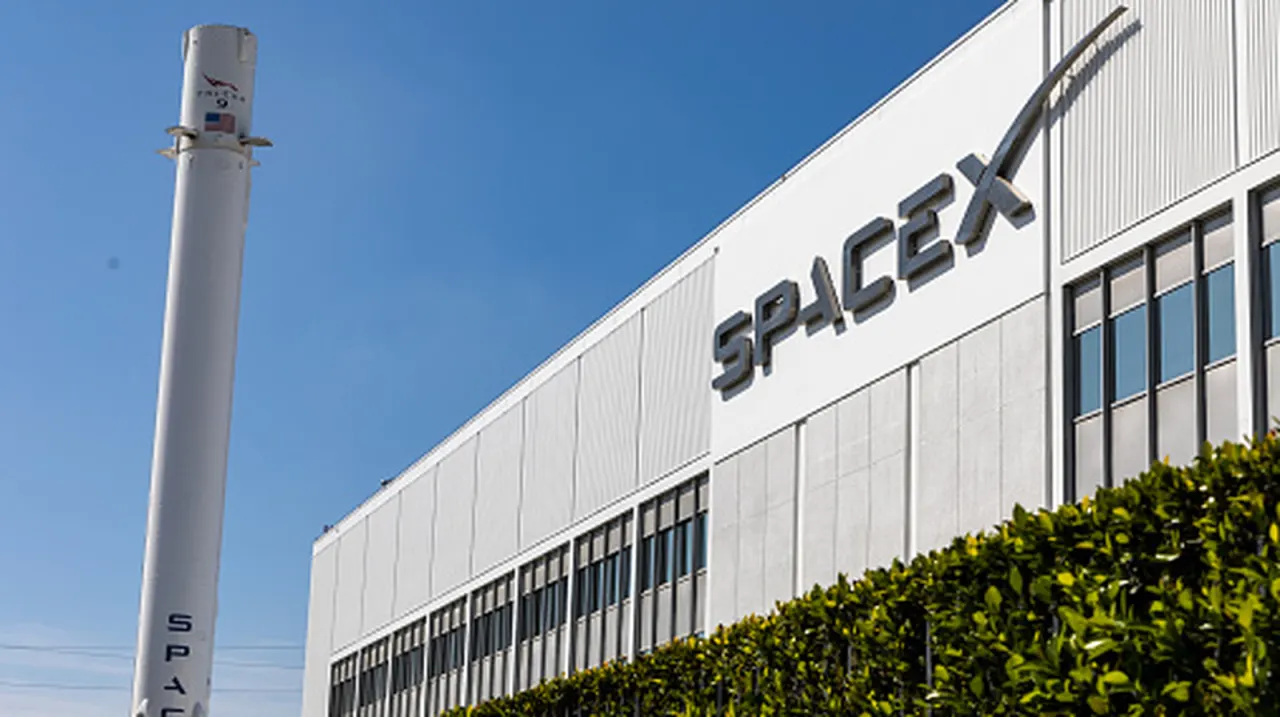
South Korea’s Danuri lunar orbiter has released what are described as the first before-and-after images of the crater created when a SpaceX Falcon 9 upper stage struck the Moon on 5 August. The incident highlights the growing issue of human-made space debris, although NASA says such impacts can also offer useful scientific evidence about lunar geology and impact debris.
NASA estimates the impactor, which had been in orbit since January 2025 after deploying two lunar landers, created a crater about 60 feet wide and 12 feet deep after hitting the surface at roughly 5,400mph. SpaceX said a controlled disposal manoeuvre was not possible because the mission required most of the rocket’s performance to reach lunar transfer orbit; the collision poses no danger to Earth.
In short
- Danuri photographed a Falcon 9 impact crater on the Moon.
- NASA estimates the crater is 60 feet wide.
- The event renews concerns about space debris.
Steelman: both sides, in good faith
The strongest fair case each way — we don't pick a winner.
The case for
The Falcon 9 upper stage impact was an unavoidable consequence of the mission's engineering constraints, as SpaceX has confirmed that controlled deorbit was not feasible given the performance required for lunar transfer orbit. Rather than viewing this as reckless, the impact provides valuable scientific data: NASA can study the crater to advance understanding of lunar geology and collision mechanics. With the Moon's expansive surface and current traffic levels, a single human-made impact poses no meaningful sustainability risk and represents a pragmatic balance between exploration and scientific return.
The case against
This incident exemplifies the accumulation of human-made debris on the Moon, revealing inadequate mission planning and international standards for space sustainability. Whilst this particular impact was framed as unavoidable due to engineering constraints, the lack of forward planning for debris mitigation suggests insufficient commitment to responsible exploration. As lunar activity accelerates, we cannot afford to normalise leaving human debris on other worlds; establishing stronger international requirements for debris management now is essential, as doing so later—once careless precedents become entrenched—will prove exponentially more difficult.
Explained simply
Danuri, South Korea’s lunar orbiter, has been mapping the Moon from orbit since 2022. A Falcon 9 upper stage is the rocket section that carries a payload after the lower stages separate; this one was left circling the Moon after deploying two landers.
The Moon has no atmosphere to slow falling objects, so spacecraft parts can strike its surface at high speed and leave craters. These impacts add to the amount of human-made debris in space, while also giving scientists evidence about lunar rocks and how impact debris spreads.