Culture news and discussion on TalkFuse.
Krafton have big plans for Subnautica, after the second game’s once-divisive co-op “confirmed the potential to expand beyond the existing fan base”
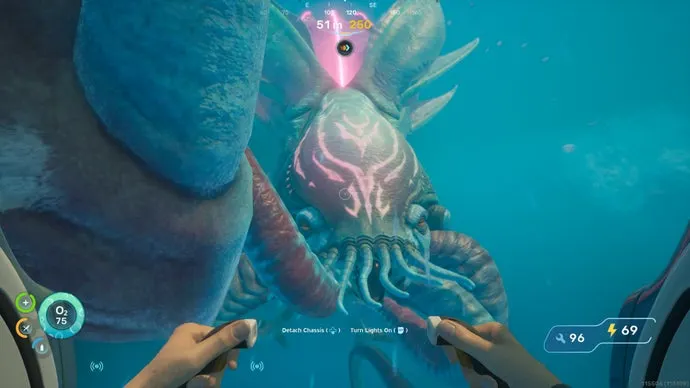
Publisher Krafton has revealed ambitious plans to grow Subnautica into a major franchise, after strong sales and player data for Subnautica 2 suggested the underwater survival series can reach beyond its existing fanbase. The comments, made to investors, matter because they signal Krafton wants Subnautica to become its second flagship franchise alongside PUBG, potentially spanning sequels, merchandise and other spin-offs, despite the game's fraught development history involving a legal dispute with former Unknown Worlds executives.
According to Krafton's latest quarterly financials, Subnautica 2 has sold more than five million units since launching into early access, with roughly half of its players new to the series, having not played the original Subnautica or Below Zero. Krafton executives, including CEO Changhan Kim and investor relations head Sophie Lee, credited the game's co-op mode for attracting this new audience, despite it being a divisive addition among returning fans before release who feared it would divert resources from the solo experience. The company says it now plans to "scale up" the Subnautica IP long-term while maintaining game quality and community trust through to full launch.
In short
- Subnautica 2 has sold over five million units in early access.
- Krafton wants Subnautica to become its second major franchise after PUBG.
- Co-op mode, once controversial, drew in many new players.
Steelman: both sides, in good faith
The strongest fair case each way — we don't pick a winner.
The case for
The strong commercial performance and player data demonstrate that expanding Subnautica's appeal beyond its existing niche was not merely possible but genuinely successful, with half of Subnautica 2's players being entirely new to the franchise. The co-op mode, despite initial scepticism from returning fans, validated the expansion strategy by proving substantial untapped demand existed. A franchise that can sustain itself financially whilst continuously reaching new audiences is precisely what enables studios to undertake ambitious, well-resourced projects with genuine longevity and creative ambition.
The case against
The story itself reveals the core risk: existing fans were already "divisive" about co-op precisely because they recognised the danger of pursuing mass-market appeal at the expense of what made Subnautica distinctive. The fraught development history involving legal disputes suggests that corporate ownership and franchise ambitions may already create tension within creative teams. Historical precedent shows that rapid IP scaling—multiple spin-offs, merchandise focus, and sequential sequels—typically results in quality dilution and the loss of the creative vision that attracted the original community.
Explained simply
Subnautica is an underwater survival game where players explore an alien ocean planet, gathering materials to craft tools and bases whilst navigating encounters with dangerous creatures. The original game launched in 2018 to critical acclaim, followed by a spin-off called Below Zero, and Subnautica 2 is now in early access with a co-op feature that enables multiplayer exploration.
Krafton, the South Korean company behind the global gaming phenomenon PUBG, publishes Subnautica. Subnautica 2 has sold over five million units, with roughly half of players new to the franchise, many drawn to the co-op mode—a feature that had concerned existing fans before release who worried it might affect the single-player experience.
Publishers view an established franchise's ability to attract new players as a key indicator of long-term growth potential. The influx of newcomers to Subnautica 2, particularly through a feature that was initially divisive among returning fans, signals to investors that the franchise has scope to expand substantially beyond its original core audience.