Krafton Settles Subnautica 2 Dispute, Agrees to Pay Developer Bonuses After Extended Legal Battle
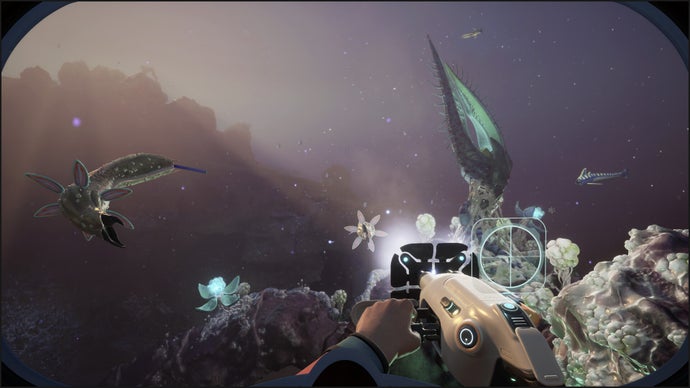
Krafton and Unknown Worlds Entertainment have reached a settlement ending a protracted legal dispute that began when the Korean publisher terminated the studio's CEO Ted Gill and cofounders Charlie Cleveland and Max McGuire last year. The disagreement centred on compensation matters worth approximately $250 million, with the dismissed executives challenging their removal through court proceedings. Gill's reinstatement via judicial order proved temporary, as part of the final settlement agreement.
Under the settlement terms, Krafton has agreed to pay bonuses to Unknown Worlds' staff—compensation the publisher had previously sought to avoid through litigation. The resolution closes a contentious chapter in the development of Subnautica 2, with Gill stepping down from his reinstated position following the agreement between the two parties.
- Krafton settles legal dispute with Subnautica 2 developer Unknown Worlds after firing three executives last year
- Publisher agrees to pay employee bonuses as part of settlement, ending dispute over $250 million in compensation
- Reinstated CEO Ted Gill steps down following the settlement agreement
New here? Start with this
Subnautica is a series of underwater survival games made by the studio Unknown Worlds Entertainment. Krafton, a South Korean video game publisher, bought Unknown Worlds and has been overseeing work on the planned sequel, Subnautica 2.
Ted Gill, Charlie Cleveland and Max McGuire were leading figures at Unknown Worlds, and their departure led to a dispute over who should run the studio and how promised payments should be handled. Such payments can be tied to a game meeting agreed targets or being released by a certain point.
The case mattered because it involved the future of a well-known game series, the staff making it, and a large amount of potential compensation. It also highlighted the tensions that can arise when an independent game studio becomes part of a larger publisher.
Both sides, in good faith
The strongest fair case each way — we don't pick a winner.
The case for
Supporters of the settlement may argue that paying the disputed bonuses is the fairest way to recognise the staff whose work created value during a difficult period. They may also see a negotiated resolution as preferable to further litigation, allowing the studio to focus on Subnautica 2 while providing certainty for employees and an orderly departure for the founders.
The case against
Critics may argue that a publisher which has invested heavily in a studio must retain the ability to change leadership and scrutinise large compensation commitments, particularly where business performance, governance or delivery concerns are at stake. From this perspective, settling and paying bonuses may be a pragmatic end to costly disruption, but it need not mean the original leadership decisions or legal concerns were without a reasonable basis.
Coverage
- Rock Paper Shotgun — Subnautica 2 legal battle ends with reinstated CEO stepping down, as Krafton and Unknown Worlds founders agree settlement
- PC Gamer — Reinstated Subnautica 2 studio CEO immediately peaces out after Krafton agrees to pay the developer bonuses it went to court to avoid
- The Verge — Krafton settles with Subnautica 2 developer after drawn-out dispute over $250 million