Kremlin accuses Zelensky of derailing Trump’s ‘peace efforts’ by renewing attacks on Russian energy – while obliterating Ukrainian supermarket in drone attack
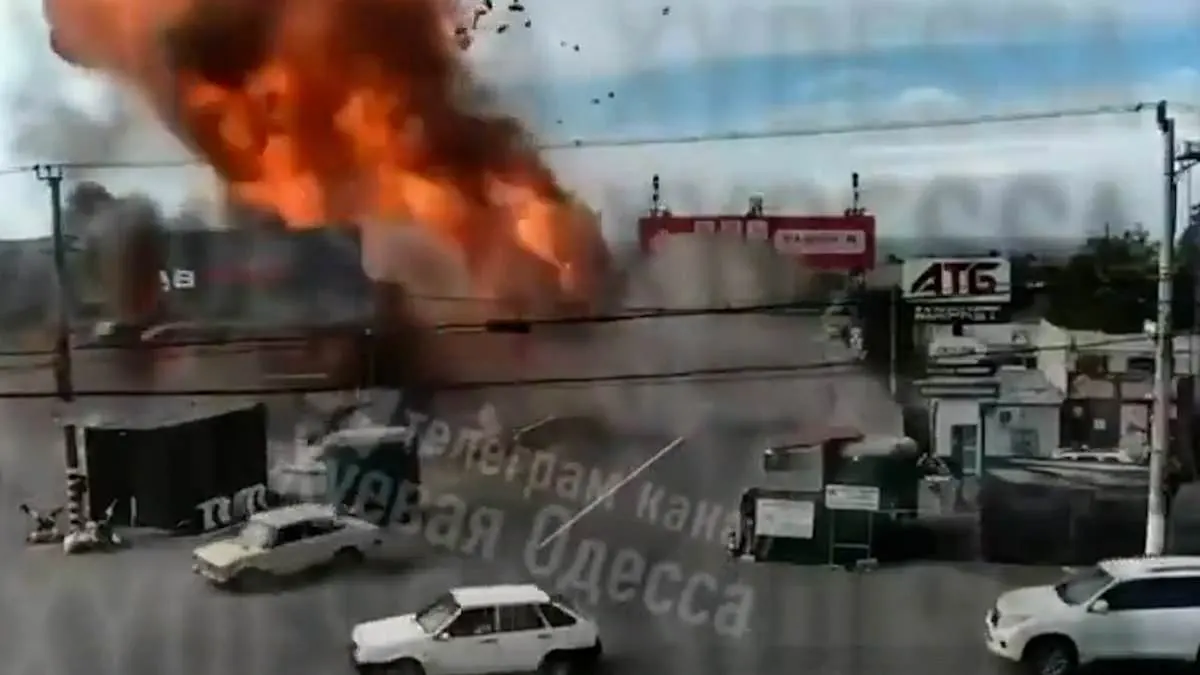
Ukraine resumed drone strikes on Russian oil infrastructure after a three-day pause, saying Russia continued attacks on Ukrainian energy facilities. The Kremlin accused President Volodymyr Zelensky of undermining US-led peace efforts, though Russia had not publicly agreed to the proposed energy ceasefire.
The developments came as a Russian drone attack partially destroyed a supermarket in Ukraine’s Odesa region, injuring three people. A Ukrainian strike also sparked a fire at a refinery in Russia’s Ryazan region; it accounts for nearly 5 per cent of Russia’s oil refining capacity. Zelensky said the loss of US intelligence sharing and reduced Starlink service were dangerous for civilians.
- Ukraine has resumed strikes on Russian energy facilities.
- A Russian drone attack injured three people at an Odesa supermarket.
- The Kremlin says Kyiv is undermining US peace efforts.
New here? Start with this
Russia launched its full-scale invasion of Ukraine in 2022. Since then, both countries have used drones and other weapons to strike targets far from the front line, including energy facilities. Such attacks can disrupt fuel supplies and electricity, as well as affect civilians.
Volodymyr Zelensky is Ukraine’s president, and the Kremlin is Russia’s government. Donald Trump has sought a US-led effort to end the war, including a proposed pause in attacks on energy sites. Russia and Ukraine have accused each other of continuing such strikes, and the status of any ceasefire proposal has been disputed.
The United States has provided Ukraine with military assistance and intelligence, while Starlink satellite services have helped maintain communications. Changes to either can affect Ukraine’s ability to coordinate forces and keep people connected.
Both sides, in good faith
The strongest fair case each way — we don't pick a winner.
The case for
Supporters of Ukraine’s renewed strikes argue that a pause is hard to sustain when Russian attacks on Ukrainian energy facilities continue and Russia has not publicly accepted the proposed energy ceasefire. They see strikes on oil infrastructure as a way to impose costs and strengthen Ukraine’s position, while arguing that restraint without reciprocal commitments could leave Ukrainian civilians and infrastructure exposed.
The case against
Critics argue that renewing attacks on Russian energy infrastructure risks widening harm to civilians, disrupting essential supplies and weakening prospects for a negotiated pause. They may also contend that Ukraine should avoid actions that could undermine US-led diplomacy, even if Russia has not publicly agreed to the proposed ceasefire, and press for reciprocal commitments through negotiations instead.