Technology news and discussion on TalkFuse.
LA Mayor-elect Nithya Raman to push $3.1B street overhaul forward that could squeeze drivers on city’s busiest roads
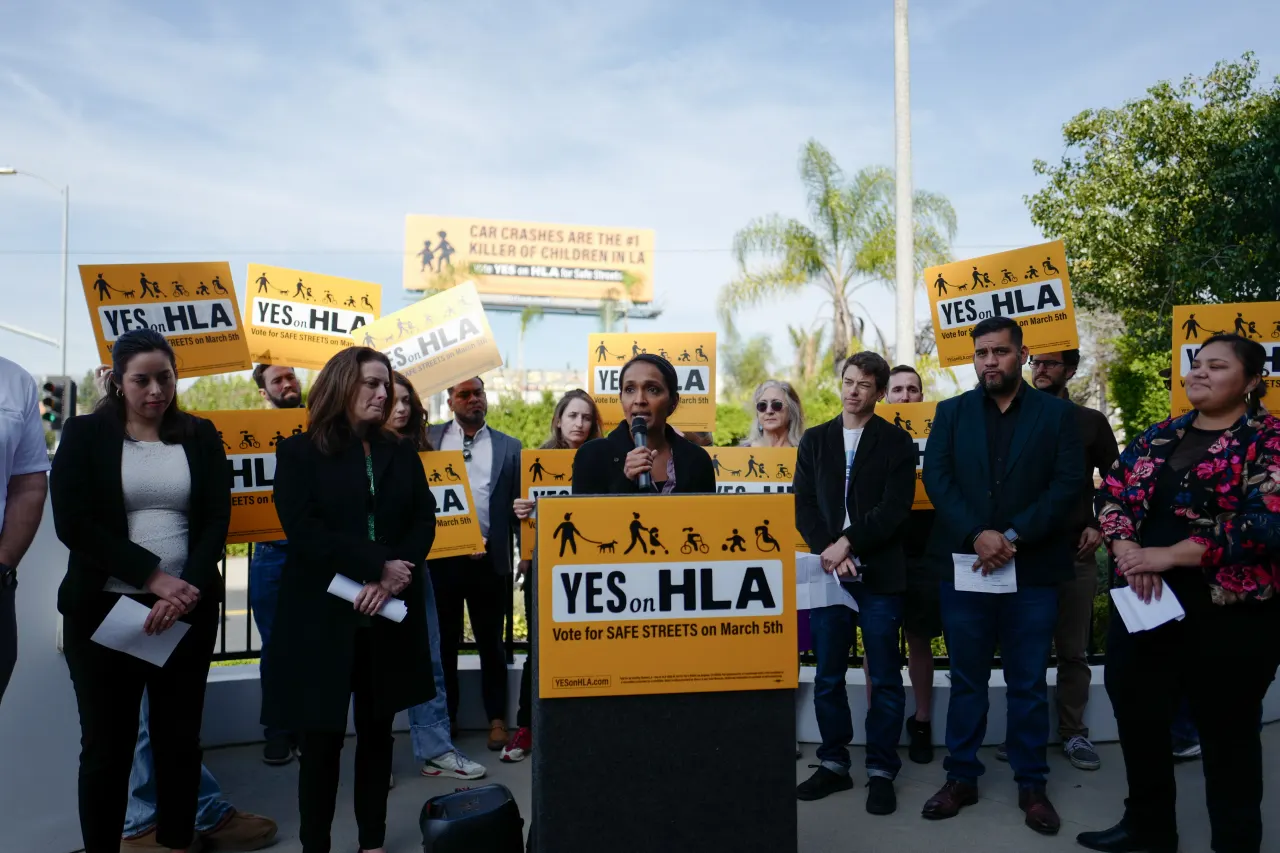
Mayor-elect Nithya Raman plans to advance a major redesign of Los Angeles streets, with more protected bike lanes, bus-only corridors and pedestrian improvements. The changes could reduce space for cars and parking on busy roads, renewing disputes over congestion, local businesses and emergency response.
Raman is expected to enforce Measure HLA, a voter-approved law requiring planned street improvements when major road repairs take place. City officials estimated implementation could cost $3.1 billion over ten years, though supporters challenged that estimate. Her platform also includes speed humps, camera enforcement and intersection redesigns; as mayor, she will lead the city’s transport department and is expected to chair Metro’s voting board.
In short
- Raman plans to expand protected bike and bus routes.
- Measure HLA was estimated to cost $3.1 billion over a decade.
- Street changes could remove car lanes or parking on major roads.
Steelman: both sides, in good faith
The strongest fair case each way — we don't pick a winner.
The case for
Supporters argue that protected bike lanes, reliable bus corridors and safer crossings can reduce collisions, give people practical alternatives to driving and make streets work better for residents who cannot or do not drive. Measure HLA was approved by voters, and carrying out its requirements during planned road repairs could make the changes more efficient than rebuilding streets later; advocates also dispute the projected cost and point to potential long-term benefits.
The case against
Critics argue that removing road and parking space from already busy routes could worsen congestion, delay emergency vehicles and make deliveries or customer visits harder for local businesses. They may accept the goals of safer streets and better transport while questioning whether the proposed designs, costs and pace of implementation are justified, especially if reliable alternatives to driving are not yet available.