World news and discussion on TalkFuse.
LA Metro worker, state employee among 8 charged with defrauding $177K in low-income assistance
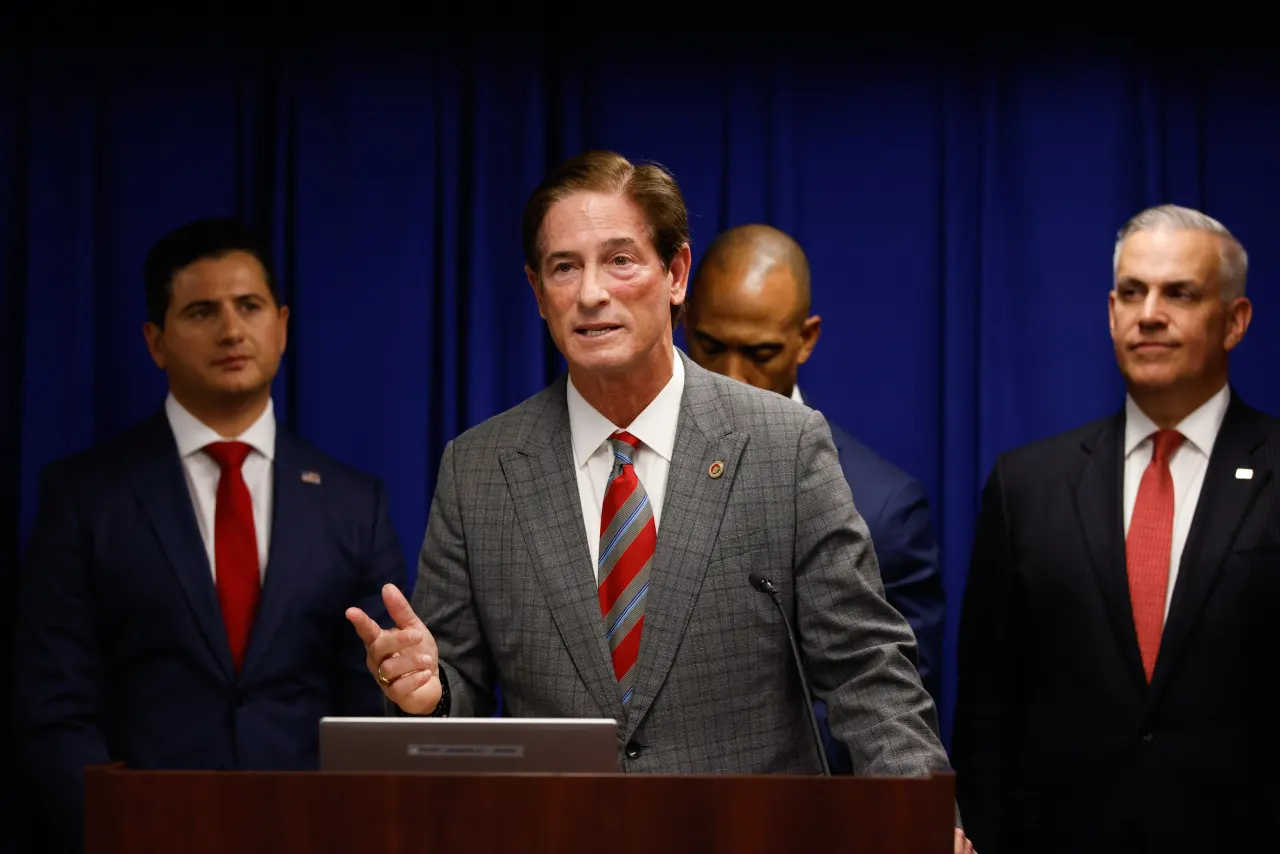
Eight people in Los Angeles County, including a state employee and an LA Metro worker, have been charged with allegedly obtaining more than $177,000 in public assistance by concealing income or assets. The allegations matter because they involve benefits intended to support low-income households and include claims of false declarations by two public employees.
Prosecutors say Nadya Daniels received more than $21,000 in food assistance while earning up to nearly $6,000 a month, and Nyeisha Taylor collected over $17,600 after joining LA Metro. Other allegations involve undisclosed investment accounts, property and rental income, employment and bakery earnings; all eight defendants pleaded not guilty. The district attorney said his office has filed more than 340 related cases this year, alleging total government losses of $4.8 million.
In short
- Eight people are accused of obtaining over $177,000 in benefits through alleged misrepresentations.
- Two defendants worked for California’s state government and LA Metro.
- All eight pleaded not guilty; prosecutors cite $4.8 million in alleged losses this year.
Steelman: both sides, in good faith
The strongest fair case each way — we don't pick a winner.
The case for
Public assistance depends on truthful reporting so limited funds reach eligible households; if the allegations are proved, concealing income or assets would divert support from people in greater need and undermine confidence in the programme. Applying fraud rules consistently, including to public employees, can help protect taxpayers and the integrity of benefits.
The case against
Charges are allegations, and the defendants have pleaded not guilty; income, assets and eligibility can involve complex rules, so fairness requires evidence and due process before treating anyone as having defrauded the system. Enforcement should also be proportionate and carefully targeted, since mistakes or disputed reporting should not deter eligible households from seeking essential support.