Science news and discussion on TalkFuse.
LA Times sports editor says that college football schedules need to change due to ‘climate change’
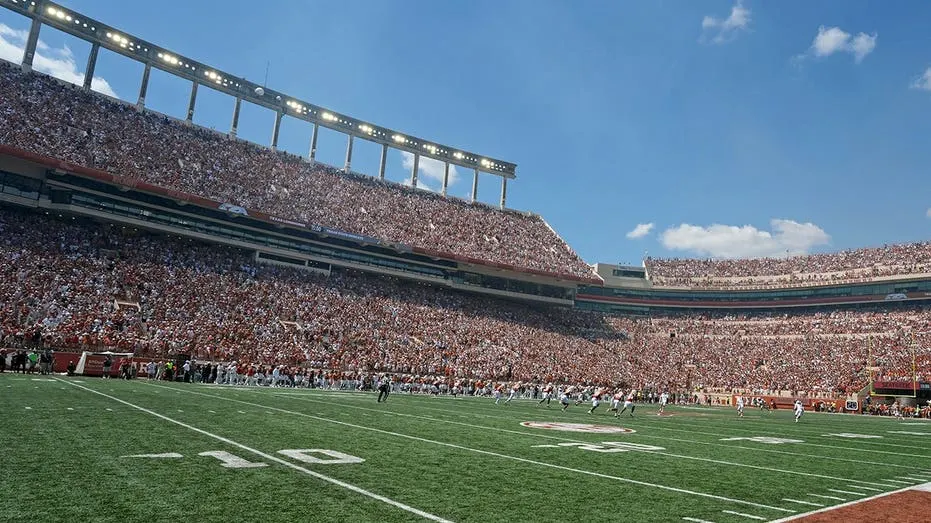
An LA Times sports editor's suggestion that college American football schedules should be adjusted because of "climate change" has drawn sharp criticism from a Fox News/Outkick columnist, who argues that ordinary hot weather is being wrongly blamed on long-term climate trends. The row follows a run of unusually hot early-season games, including USC's Week 0 fixture in Los Angeles and matches involving South Carolina and Texas, where fans endured extreme heat and some required medical treatment for conditions such as dehydration.
Iliana Limon Romero, the LA Times' assistant managing editor and sports editor, posted on X that schools and TV networks would eventually need to "adapt to climate change" rather than expect fans to tolerate extreme heat. The columnist counters that Austin's average high for the period, around 95–97°F, was only marginally exceeded during the Texas game, calling it typical late-summer weather rather than evidence of climate change, while still agreeing that scheduling afternoon kick-offs in early September heat is poor practice. Romero reportedly blocked several people who challenged her claim on social media.
In short
- LA Times sports editor blamed hot early-season college football games on climate change.
- Fox/Outkick columnist says the heat was normal for Texas and Southern US in September.
- Both sides agree afternoon kick-offs in extreme heat pose risks to fans.
Steelman: both sides, in good faith
The strongest fair case each way — we don't pick a winner.
The case for
Repeated heat-related illness at early-season games raises a foreseeable safety concern for players and spectators, and scheduling is one factor schools and broadcasters can change. Supporters of Romero’s position can argue that adapting kick-off times or the season calendar is prudent as extreme heat risks grow, even if any single hot day cannot establish a climate trend.
The case against
Critics can argue that a few hot games, or temperatures close to a city’s late-summer average, do not by themselves show that climate change caused the conditions or requires a broad calendar shift. They may favour practical measures such as avoiding the hottest hours while calling for schedule changes to rest on wider evidence about heat risk, rather than attributing ordinary seasonal weather to climate change.
Explained simply
College football is played in the United States, where the season starts in late summer. Early games can take place in high temperatures, and spectators may become ill through heat or dehydration. The timing of matches is often set with television coverage in mind.
Iliana Limon Romero is a senior sports editor at the Los Angeles Times. She argued that colleges and broadcasters may need to change when games are played as the climate changes. A Fox News and OutKick columnist disputed the link between the heat at particular games and long-term climate change, while also criticising afternoon kick-offs in hot weather.
The disagreement reflects a wider distinction between individual weather events and longer-term climate patterns. It also raises practical questions about how schools and broadcasters weigh player and spectator safety against scheduling and television needs.
Climate Football Science Sport World