Lab supply companies have been selling antibodies using manipulated images
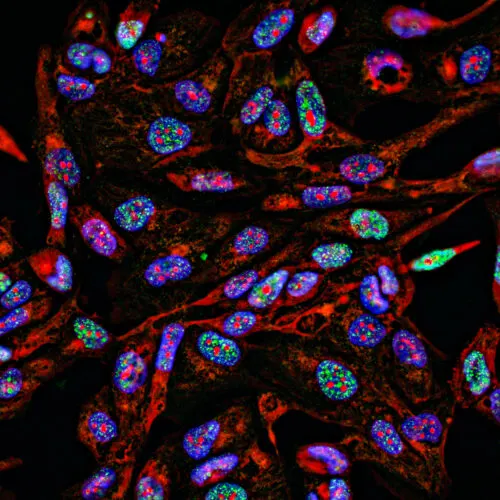
A post-doc researcher has found that thousands of commercial antibody products are marketed using images that show signs of manipulation similar to the kind that would trigger a retraction if found in a scientific paper. Reese Richardson of Northwestern University first noticed the issue in May, and after refining his search with collaborator Sholto David, identified problematic images across more than 17,000 antibodies sold by 16 different suppliers. The findings matter because researchers rely on these marketing images to judge whether an antibody will work reliably, and misleading data can send scientists down costly, time-wasting troubleshooting paths when the product itself is at fault.
Antibodies are essential tools in biology labs, used to locate proteins within cells, identify which tissues produce them, and confirm their presence on gels. Suppliers typically showcase experimental images to prove their antibodies perform well, but Richardson and David found manipulations ranging from removed background noise to copied and pasted data, affecting nearly 7% of the images they examined. Nature's reporting on the findings included mixed responses from the implicated companies, with some pledging to investigate and others dismissing the concerns, despite the frustration such issues cause researchers whose experiments fail to work as advertised.
- Researcher found manipulated marketing images across 17,000+ commercial antibodies
- Roughly 7% of images checked showed signs of tampering
- Companies' responses to the findings have been mixed, some dismissive
New here? Start with this
Antibodies are tools that researchers use to find particular proteins in cells and tissue, or to check whether a protein is present in a sample. Companies sell antibodies for these experiments and often publish test images to show how well each product works.
Researchers use those images to help choose an antibody before buying it. If an image gives a misleading impression of the product’s performance, experiments may fail and researchers can lose time and money working out why.
The products are sold by commercial suppliers, while the reported image review was carried out by researchers Reese Richardson and Sholto David. Its findings matter because laboratories depend on suppliers’ test results when deciding which tools to use.