Labor raises small business concerns over tax office card payment ban
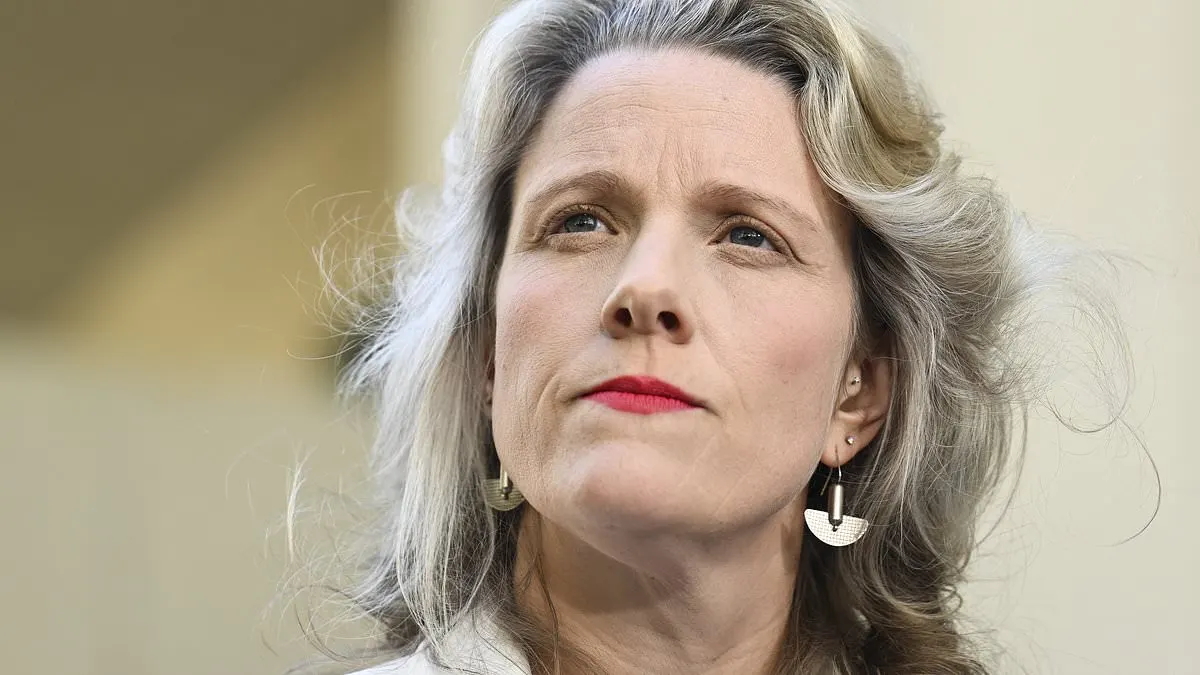
The Australian Taxation Office is banning credit card payments from December because it cannot absorb the cost of credit card surcharges under new Reserve Bank rules that prevent passing these costs to consumers. This decision has created tension within the government, with Labor frontbencher Claire O'Neill expressing concerns about the impact on small businesses' cash flow, whilst Digital Economy Minister Andrew Charlton defended the ATO's position.
The ban follows a Reserve Bank decision to cap interchange fees between banks and card issuers, which came into effect on 1 October and is expected to save consumers approximately £1.6 billion annually. About 2.3 per cent of tax payments are made by credit card, primarily by privately owned, wealthy groups and large businesses. Opposition figures have accused the government of applying a double standard by requiring private businesses to absorb credit card surcharges whilst allowing the ATO to avoid this cost, and are calling on the government to force the ATO to continue accepting credit cards.
- ATO bans tax credit card payments from December to avoid absorbing surcharge costs.
- Reserve Bank cap on interchange fees expected to save consumers £1.6 billion yearly.
- Government divided as Labor concerns clash with minister's defence of tax office decision.
New here? Start with this
The Reserve Bank of Australia introduced new rules on 1 October that cap the fees charged between banks and card issuers when people use credit cards for transactions. Under these rules, organisations cannot pass these surcharge costs on to customers. The changes are expected to save consumers around £1.6 billion annually.
The Australian Taxation Office has announced it will stop accepting credit card payments from December because it cannot absorb these card processing costs under the new Reserve Bank rules. Currently, about 2.3 per cent of tax payments are made by credit card, mainly from privately owned businesses, wealthy individuals and large corporations. The decision has raised concerns among some government figures about the potential impact on small businesses' cash flow and access to payment methods.
The situation has highlighted questions about fairness and how costs are distributed. Opposition figures have argued that private businesses are required to absorb credit card surcharges whilst the government exempts the tax office from doing the same. This disagreement reflects broader concerns about whether the ATO's decision balances the need to manage costs with maintaining accessible payment options.
Both sides, in good faith
The strongest fair case each way — we don't pick a winner.
The case for
The case for maintaining credit card acceptance rests on fairness and business necessity. Small businesses depend on credit card payments for cash flow management, and the government should not apply inconsistent standards by requiring private firms to absorb surcharges whilst allowing the ATO to avoid them. With only 2.3 per cent of tax payments using credit cards, the financial burden is manageable, and a government agency should provide convenient payment options for all taxpayers and businesses.
The case against
The ban reflects both legal constraint and fairness to all taxpayers. Reserve Bank rules explicitly prevent the ATO from passing surcharge costs to consumers, meaning the agency cannot legally absorb or shift these expenses. Forcing credit card acceptance would compel all taxpayers to subsidise the convenience of a minority, and with 97.7 per cent of payments already using other methods, the ban maintains accessibility whilst preserving public resources for other priorities.
Read the full article at the source →
Originally published by Daily Mail as “Labor has ‘real concerns’ over ATO ban on credit cards”.