Culture news and discussion on TalkFuse.
Australia expected to raise cap on third-year working holiday visas
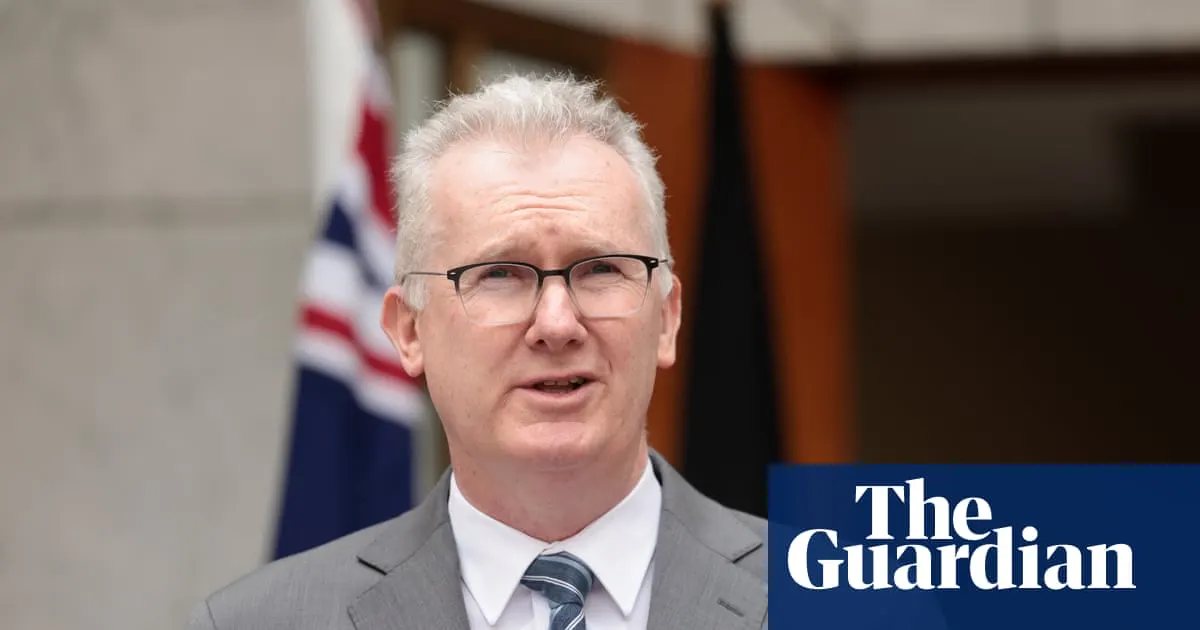
Australia’s federal government is expected to ease its planned restrictions on working holiday makers, increasing the proposed cap on third-year visas from 5,000 to 25,000. The change follows criticism from regional and agricultural groups concerned that fewer backpackers would worsen labour shortages.
Under the earlier plan, 45,000 people could stay for a second year after three months of regional work, while 5,000 could stay for a third year. Industry sources expect the second-year regional work requirement to rise to four months and the new ballot system to be delayed. UK workers are currently exempt from the caps under a 2021 trade agreement, though the governments are discussing whether they should also have to do regional work.
In short
- Proposed third-year visa cap expected to rise to 25,000.
- Regional groups warned the original limits could worsen worker shortages.
- Second-year regional work may increase to four months.
Steelman: both sides, in good faith
The strongest fair case each way — we don't pick a winner.
The case for
Raising the third-year visa cap could help farms and regional businesses fill seasonal jobs, supporting production and local economies where employers say labour is scarce. A larger pool of working holiday makers may also give travellers more opportunity to extend their stay, while a four-month regional work requirement could help direct labour to areas that need it.
The case against
A higher cap may ease staffing pressures but leave unresolved whether working holiday makers provide a reliable or fair substitute for a stable local workforce. Extending the regional work requirement could also keep young visitors in low-paid or insecure jobs for longer, and delaying the ballot may prolong uncertainty about who can qualify.
Culture Government Politics Travel World
Read the full article at the source →
Originally published by The Guardian as “Labor to announce policy backflip and allow more backpackers to stay in Australia”.