Labour at war over defence cash increase as Streeting blasts senior backbencher over ‘unfair’ criticism of government inaction
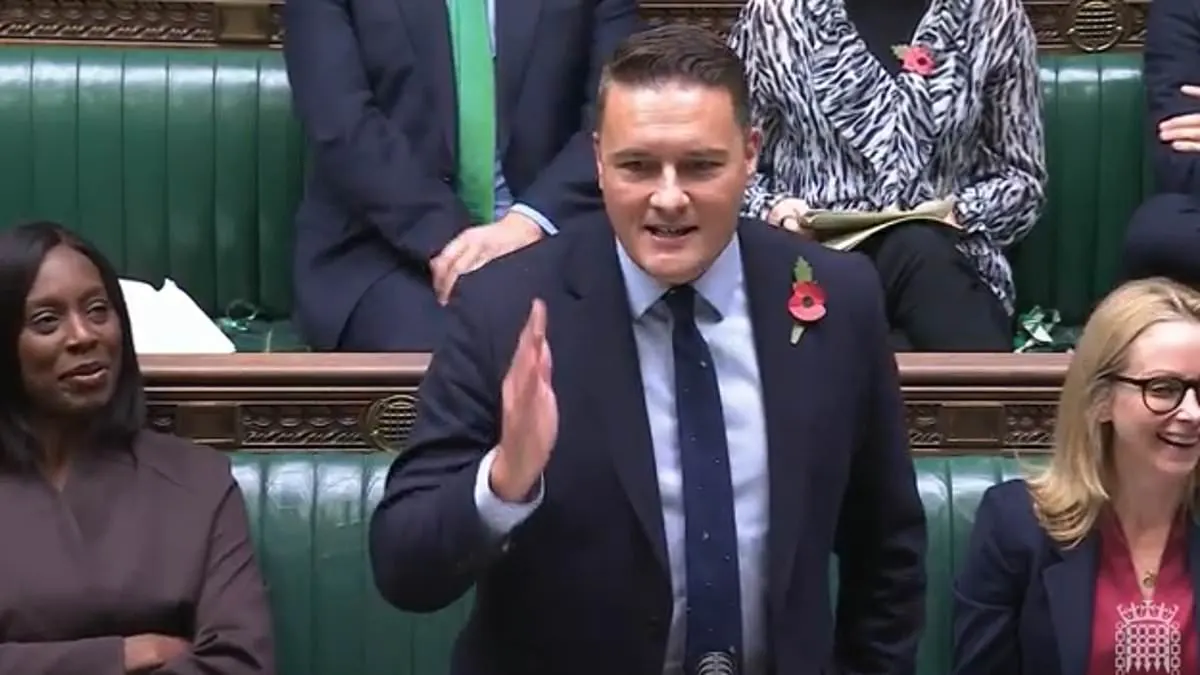
Defence Secretary Wes Streeting rejected criticism from Labour MP Tanmanjeet Singh Dhesi, who said key decisions on military investment had been delayed and warned this could leave the UK vulnerable in a major conflict. The dispute highlights disagreement within Labour over whether current funding plans provide a sufficiently clear route to increasing defence spending.
Streeting said the Government had already delivered the fastest rise in defence spending since the Cold War ended, while Dhesi welcomed continued support for Ukraine but called for a precise path to spending 3 per cent, eventually 3.5 per cent, of GDP on defence. He said important decisions had been postponed until next year’s spending review. Conservative shadow defence secretary James Cartlidge criticised Streeting’s remarks as disrespectful and argued the Government still lacked a plan to reach 3 per cent.
In short
- Streeting rejects Dhesi’s criticism of defence funding plans.
- Dhesi wants a clear path to 3 per cent of GDP.
- The Conservatives say the Government has yet to set out that plan.
Steelman: both sides, in good faith
The strongest fair case each way — we don't pick a winner.
The case for
The Government can argue that defence spending is already rising at the fastest pace since the Cold War and that setting a firm timetable for much higher spending before the next spending review could constrain choices across public services and the economy. It may also contend that investment decisions should be made alongside a clear assessment of priorities and resources, while continuing support for Ukraine.
The case against
Critics can argue that rising spending is not enough without a specific, credible route to 3 per cent of GDP and eventual progress towards 3.5 per cent. Delaying key decisions until next year’s spending review may leave the armed forces uncertain about future resources and risk weakening readiness at a time of heightened security concerns.
Explained simply
Defence spending pays for the armed forces, equipment and support needed to protect the UK and meet commitments overseas. It is often discussed as a share of gross domestic product (GDP), the total value of goods and services produced in the country, so that spending can be compared as the economy changes.
Labour MPs and ministers are debating how quickly spending should rise and how clearly the Government should set out its plans. Tanmanjeet Singh Dhesi, a Labour MP who chairs the Commons Defence Committee, has called for a timetable for higher spending; Wes Streeting is a senior Labour minister responsible for defence.
The debate matters because military equipment and personnel can take years to plan and prepare, while decisions on funding compete with other public spending priorities. The Conservatives, currently in opposition, are also pressing the Government to explain how it would meet higher defence spending targets.