World news and discussion on TalkFuse.
Sheffield Labour councillors end power-sharing deal with Greens over antisemitism concerns
Developing story first seen 1 hour ago
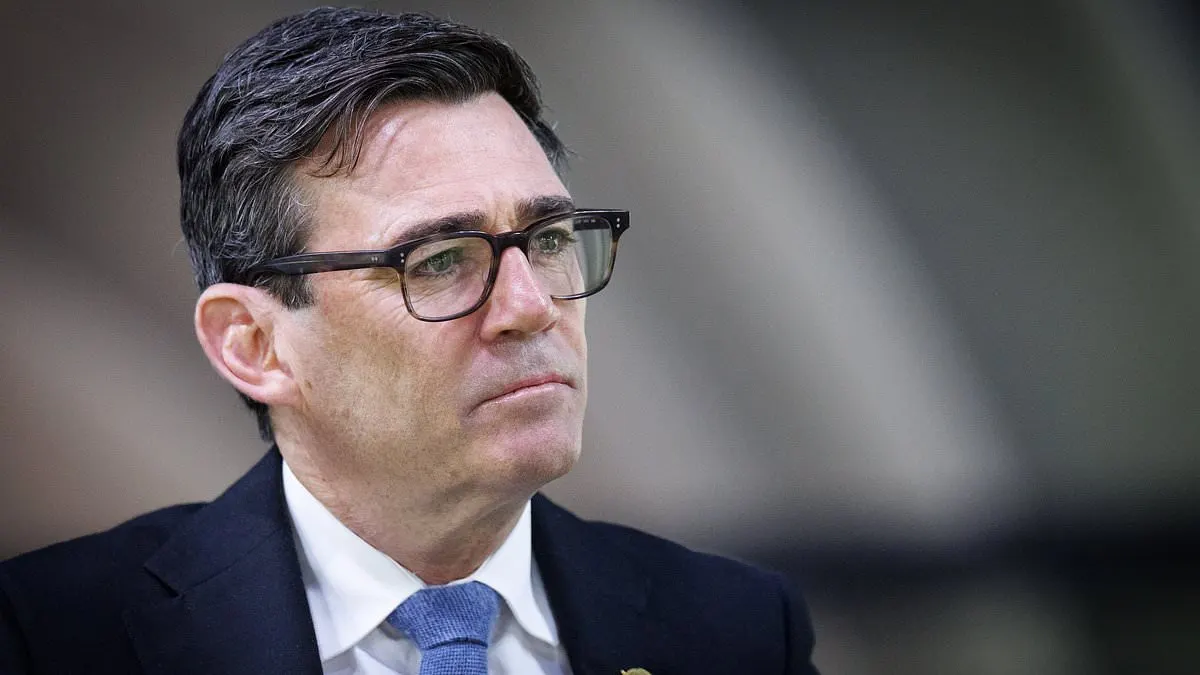
Sheffield Labour councillors have ended their power-sharing deal with the Greens after talks to preserve it broke down, triggering a fresh political crisis at the council. Labour group leader Fran Belbin said the partnership could not continue while what she described as “blatant anti-Semitism” was not adequately challenged.
The dispute followed a Green Party conference motion in Brighton in October describing Zionism as racism. Belbin said Sheffield Greens had recognised that not all Zionists are racists, affirmed peoples’ right to self-determination and agreed to anti-Semitism training, but Labour concluded the steps taken were insufficient. Labour had directed local groups to end arrangements where Greens did not condemn the motion; Sheffield was among 11 councils where cooperation was being reviewed.
- Sources
- 2
- Outlets
- 2
- Left · Centre · Right
- 0 · 0 · 1
In short
- Sheffield Labour has ended its coalition deal with the Greens.
- Talks broke down over the response to a motion on Zionism.
- Labour said the agreed steps did not provide enough reassurance.
How this story developed
- 26 minutes ago Labour councillors in Sheffield have ended their power-sharing arrangement with the Greens after talks to preserve it broke down.
- 32 minutes ago Sheffield Labour councillors have ended their power-sharing deal with the Greens after talks to preserve it broke down, triggering a fresh political crisis at the council.
Steelman: both sides, in good faith
The strongest fair case each way — we don't pick a winner.
The case for
Labour’s strongest case is that a council partnership requires trust and a clear response to antisemitism, and that the conference motion risked treating Zionism broadly as racist in a way many Jewish people experience as hostile or exclusionary. If local assurances and training did not adequately address that concern, ending cooperation could be seen as a principled way to uphold a safe and inclusive civic environment.
The case against
The Greens’ strongest case is that criticising Zionism as a political ideology is not necessarily hostility towards Jewish people, and that opposition to the motion should not collapse that distinction. Sheffield Greens had, as reported, recognised that not all Zionists are racist, affirmed self-determination and agreed to training; they could argue that ending the partnership despite those steps was disproportionate and weakened local cooperation over a contested national debate.
Explained simply
Sheffield City Council is run by elected councillors, and parties may share power when no single party has enough support to govern alone. Labour and the Greens had been working together in Sheffield under such an arrangement, with council decisions depending on cooperation between them.
The dispute centres on Zionism, a term for support for a Jewish homeland, and how criticism of it relates to antisemitism, which means hostility towards or prejudice against Jewish people. A Green Party conference motion described Zionism as racism, prompting disagreement over its meaning and whether it could contribute to antisemitism.
The parties’ split matters because it changes how Sheffield’s council is governed and may make agreement on decisions harder. It also reflects wider tensions within local politics over how parties address antisemitism and debate Israel and Zionism.
Coverage · 2 sources
Read the full article at the source →
Originally published by Daily Mail as “Labour councillors in Sheffield finally end alliance with Greens over ‘blatant anti-Semitism’ after bid to defy Andy Burnham’s orders”.