Labour ‘faces £28BILLION of spending cuts, tax hikes or more borrowing’ by 2030 after Healey dodged decisions on defence and departmental budgets
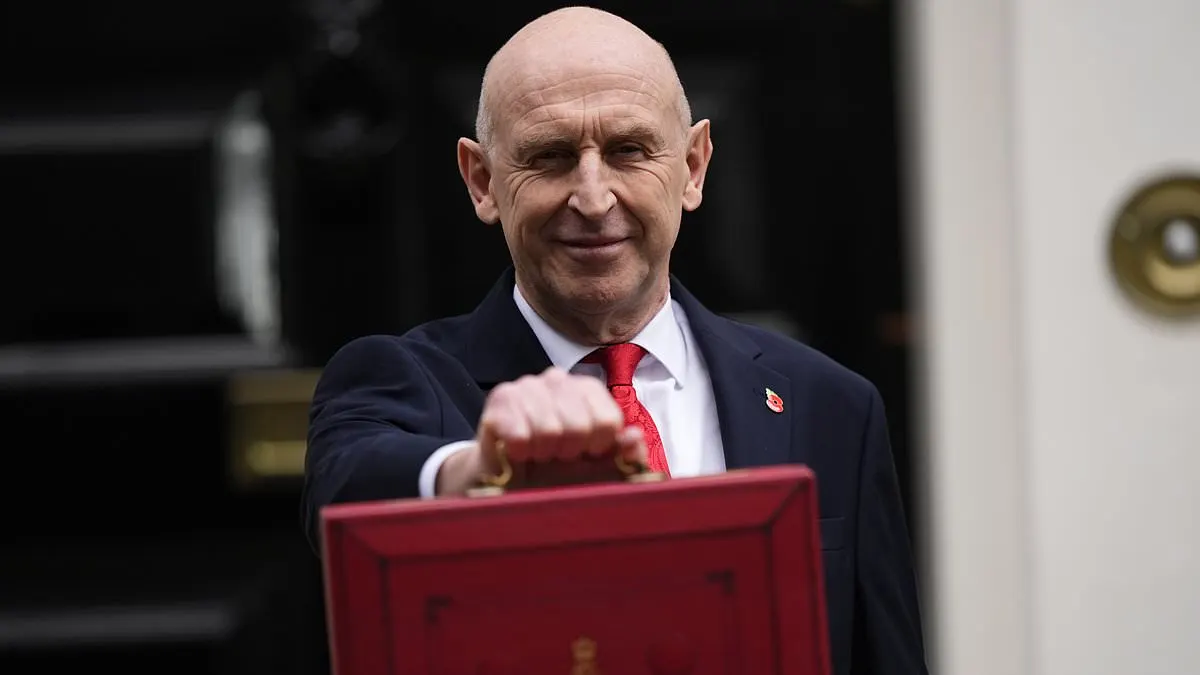
The Institute for Fiscal Studies says the Government could face a £28 billion shortfall in its spending plans by 2030, forcing it to choose between cuts, tax rises or more borrowing. The warning follows the Budget, which the IFS says left key decisions on defence and future departmental budgets unresolved.
The IFS estimates that protecting public services from inflation could require an extra £17 billion in 2030-31, while meeting the target of spending 3 per cent of GDP on defence by 2030 would cost another £11 billion. It says reserves have already been used to support near-term defence spending, reducing the Government’s buffer against future shocks; current plans also imply tight budgets and possible real-terms cuts to services.
In short
- IFS warns of a possible £28 billion funding gap by 2030.
- Inflation pressures could add £17 billion to budgets.
- Defence’s 3 per cent GDP target could cost another £11 billion.
Steelman: both sides, in good faith
The strongest fair case each way — we don't pick a winner.
The case for
The IFS warning highlights a real tension in the Government’s plans: if public services are to keep pace with inflation and defence spending is to rise towards the stated target, the money must come from somewhere. Making choices explicit now could help voters and departments understand the trade-offs, while preserving room to respond to future shocks rather than relying on optimistic assumptions.
The case against
The projected shortfall is conditional on assumptions about future service costs, defence spending and economic growth, so it need not translate directly into £28 billion of cuts or tax rises. The Government could argue that phasing spending increases, improving efficiency or revising plans as conditions change offers more flexibility, and that committing now to higher taxes or borrowing could impose costs before the need is certain.
Explained simply
The Institute for Fiscal Studies (IFS) is an independent organisation that analyses public finances. The Government sets out how it plans to raise and spend money in its Budget, including how much to allocate to public services and defence.
Public services such as the NHS, schools and local councils rely on government funding, while defence spending pays for the armed forces and equipment. Inflation can push up the cost of maintaining services, and the Government has also set a goal of spending 3 per cent of national income on defence by 2030.
The Government must balance these commitments against its tax income and borrowing. Its choices affect the services people use, the amount of tax they pay and the country’s debt.