Labour reaches 30 per cent in Opinium poll after Burnham speech
Developed over time first seen 1 day ago
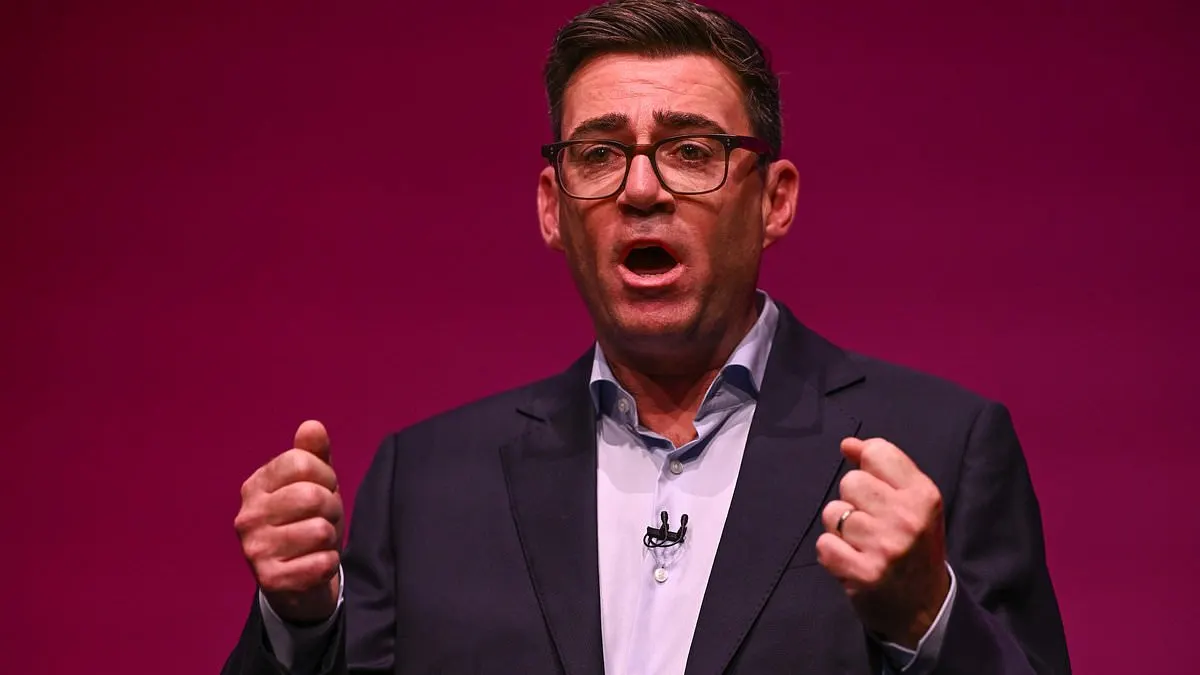
Labour has reached 30 per cent in the latest Opinium poll, marking the highest rating the firm has recorded since 2024, following a two-point gain after Andy Burnham's conference speech. The strong showing has intensified speculation about a potential snap election, despite Burnham's repeated declarations that an early ballot is "dead".
In the survey, Reform polled at 25 per cent (up one point) whilst the Conservatives slumped to 17 per cent. Electoral Calculus projections based on these figures suggest Labour could win 342 seats, Reform 155 and the Conservatives 55, though the firm cautioned that constituency volatility makes precise prediction extremely difficult. Burnham's personal net satisfaction rating reached plus eight, compared with Conservative leader Kemi Badenoch on minus one and Reform's Nigel Farage on minus 22; voters also expressed support for his proposed national social care service.
- Labour reaches 30 per cent after Burnham's conference speech in latest polls.
- Electoral projections suggest 342 Labour seats, 155 Reform and 55 Conservative seats.
- Burnham's personal rating at plus eight as speculation grows over snap election.
New here? Start with this
Opinion polls measure public support for political parties by asking samples of voters about their preferences. These surveys are watched closely because they can indicate how voters might behave at an election and often generate discussion about the government's prospects. In Britain, such polling can fuel speculation about whether an election will be called sooner than expected.
The poll compares support for three main British political parties: Labour, the Conservatives, and Reform. Labour currently governs the country and is led by Keir Starmer, though Andy Burnham, a senior Labour figure, featured in recent coverage following his conference speech. The opposition are the Conservatives, led by Kemi Badenoch, and Reform, led by Nigel Farage.
Polls attempt to project how many parliamentary seats each party would win under current voting patterns, though such forecasts are unreliable because voter preferences vary significantly across different constituencies. The wider context is that issues such as social care reform and the UK's future relationship with Europe have emerged as matters that concern voters.
Full account
Labour has recorded its highest polling performance since the 2024 election, according to fresh Opinium research released as speculation mounts over a possible early general election. The party's support climbed to 30 per cent, a two-point increase from the previous survey, following Andy Burnham's keynote address at the party's conference in Liverpool. The Labour leader has repeatedly dismissed suggestions of a snap ballot as "dead", yet his speech unveiled substantial policy commitments that would require electoral approval, fuelling continued conjecture about the government's intentions.
The Conservatives faced the bleakest picture in the Opinium findings, polling at just 17 per cent, whilst Reform UK remained a significant force on 25 per cent despite languishing five points adrift of Labour. An Electoral Calculus projection based on the voting splits suggested Labour could secure 342 seats, Reform 155 and the Conservatives merely 55 seats—enough to hand Mr Burnham a working majority. However, considerable uncertainty clouds such forecasts, as constituency-level volatility makes precise outcomes extraordinarily difficult to anticipate.
Burnham's personal standing strengthened marginally, with his net approval rating edging up one point to positive eight. His policy proposals resonated with voters, particularly the pledge to establish a national social care service and to examine potential adjustments to Britain's post-Brexit relationship with Europe, both drawing public backing despite sparse details on implementation and costs. By contrast, Conservative leader Kemi Badenoch registered a rating of minus one, whilst Nigel Farage's approval languished substantially at minus 22.
Underneath Labour's apparent momentum lies considerable instability in the polling landscape. Reform's support has demonstrated marked week-to-week fluctuations, with recent YouGov polling placing the party first in voting intention for the first time since August before a previous survey positioned them third behind the Conservatives. The party has contended with funding scandals and competition from Rupert Lowe's Restore Britain. More significantly for Labour, the party appears to be retrieving voters lost under previous leadership, with former supporters' backing rising from 49 per cent to 63 per cent, whilst younger voters aged 18-24 have swung dramatically from 14 per cent to 27 per cent support—a demographic where Reform attracts merely 7 per cent.
Where outlets differ
Source 2 emphasises polling volatility and Reform's week-to-week swings; Source 1 does not discuss these fluctuations
Source 1 includes Electoral Calculus seat projections; Source 2 omits such forecasts
Source 2 discusses Reform's funding controversies and competition from Restore Britain; Source 1 does not mention these challenges
Source 2 provides extensive analysis of voter demographic shifts and Labour's recovery among former supporters; Source 1 does not detail these patterns
Source 2 reports Conservative support at 20 per cent on average across polls; Source 1 reports Opinium's specific 17 per cent figure
More coverage
Read the full article at the source →
Originally published by Daily Mail as “Labour hits highest poll rating since 2024 after Burnham’s conference speech… as snap election fever rages”.