Labour Holds Holborn as Experts Debate Election Implications
Developed over time first seen 2 hours ago
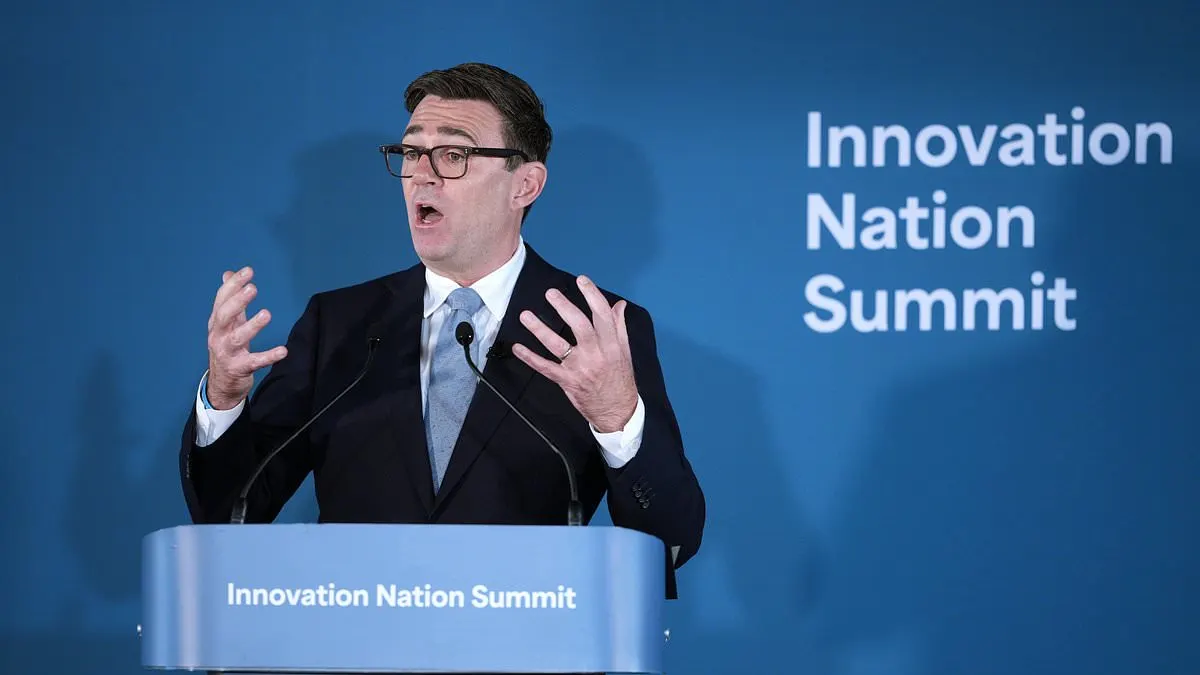
Labour retained the Holborn and St Pancras seat in a by-election victory, with candidate Sagal Abdi-Wali securing a 3,000-vote majority. The Conservatives finished third with 7.1% of the vote, matching their 2024 general election share in the constituency, whilst the Green Party's support contracted from their spring local election highs.
Political analysts offered competing interpretations of the result's significance. Polling expert Sir John Curtice cautioned against treating the outcome as evidence Labour could prevail in a snap general election, noting the limited predictive value of individual by-election contests. Conservative figures, however, framed the result more positively, suggesting their third-place finish and steady vote share indicated recovery momentum under new party leadership, bolstered by improving approval ratings.
- Labour won Holborn by-election with 3,000-vote majority; Conservatives placed third matching their 2024 general election vote share
- Green Party support declined from spring peaks; minor party dynamics showed signs of reshuffling
- Experts disagree on electoral implications—some caution against broad predictions whilst Conservatives cite signs of recovery
New here? Start with this
By-elections are parliamentary votes held when a seat becomes vacant between general elections. They attract significant attention because they are widely viewed as potential indicators of public opinion and can suggest how voters might behave in future elections.
Labour won the general election held last year and currently governs Britain, whilst the Conservative Party is in opposition following their electoral defeat. The Conservative Party has recently elected new leadership as part of efforts to rebuild support.
By-election results are closely watched by both major parties, political analysts and media commentators as potential guides to the health of the political landscape and prospects for the next election. The Holborn and St Pancras result has attracted this level of attention as observers assess what it might indicate about the current state of British politics.
Both sides, in good faith
The strongest fair case each way — we don't pick a winner.
The case for
By-elections occur under highly unusual circumstances with strong local factors, unique candidates, and protest voting dynamics that differ from general elections. Sir John Curtice's methodological point is sound: individual constituency results in lower-turnout contests have poor predictive validity for national electoral behaviour, where different campaigns, turnout patterns, and national dynamics dominate. Treating a single by-election as evidence of broader political momentum would be analytically unreliable.
The case against
The Conservative Party's third-place finish with matching vote share in this traditionally safe Labour seat suggests stabilisation of their support base rather than continued decline. Combined with improving approval ratings under new leadership and consolidation of their core vote, this indicates a party establishing firmer foundations after recent turbulence—a development potentially significant for recovery prospects.
Full account
Labour has held Holborn and St Pancras in a by-election prompted by Keir Starmer’s departure from Parliament. Its candidate, Sagal Abdi-Wali, who leads Camden Council, defeated Green Party leader Zack Polanski by about 3,000 votes. She won 45 per cent of the vote, four percentage points below Starmer’s share at the 2024 general election. The result gives Labour a clear local victory, but its lower vote share than in 2024 limits what can be inferred about the party’s wider recovery.
Election expert Sir John Curtice said the result reflected, in part, a weakening in Green support since the spring, when the party made gains in local elections. He nevertheless described the Greens as more significant nationally than they had previously been. In his assessment, Labour is better placed than it was before Andy Burnham became leader, but remains less popular than it was two years ago. Curtice cautioned that the by-election did not show Labour was on course for a Commons majority and said a snap general election would be extremely risky.
Burnham has sought to dismiss speculation about an early election, calling the idea ‘dead’ before Labour’s conference. His conference speech set out proposals on social care, electoral reform, the state pension triple lock and Brexit that would require Labour to win a further election. Recent polling offers some encouragement for the party: an Opinium survey put Labour on 30 per cent, while a YouGov poll put it on 27 per cent, five points ahead of Reform UK. Those national figures provide context for the Holborn result, though a single constituency contest cannot establish how voters would respond across the country.
The Conservatives finished third in Holborn and St Pancras with 7.1 per cent, close to their 2024 share, ahead of Reform UK on 5.9 per cent. Restore took 2.5 per cent, or 692 votes, more than the number separating the Conservative and Reform candidates. Pollster Luke Tryl suggested some Conservative supporters might also have voted for Labour to prevent a Green win. For the Conservatives, the placing offers a modest positive sign after Kemi Badenoch’s party conference, although the reporting indicates that improved ratings for her personally have yet to produce a substantial rise in the party’s national polling.
Where outlets differ
Source 1 emphasises Labour’s reduced vote share, Curtice’s warning against reading the result as evidence of a likely general election majority, and the debate over an early election. Source 2 concentrates on the Conservatives finishing ahead of Reform UK, Restore’s vote and the possibility of tactical voting. Both report Labour’s victory and Curtice’s caution about drawing broad conclusions from it.
Coverage
- Daily Mail — Don’t do it, Andy! Polling guru warns Burnham that Holborn result shows he would fail to win snap election
- Daily Mail — Tory revival hopes fuelled as they manage third place in Holborn by-election – while Restore eats into Reform vote