World news and discussion on TalkFuse.
Labour is accused of offering cold comfort to families as energy prices are set to jump by £440
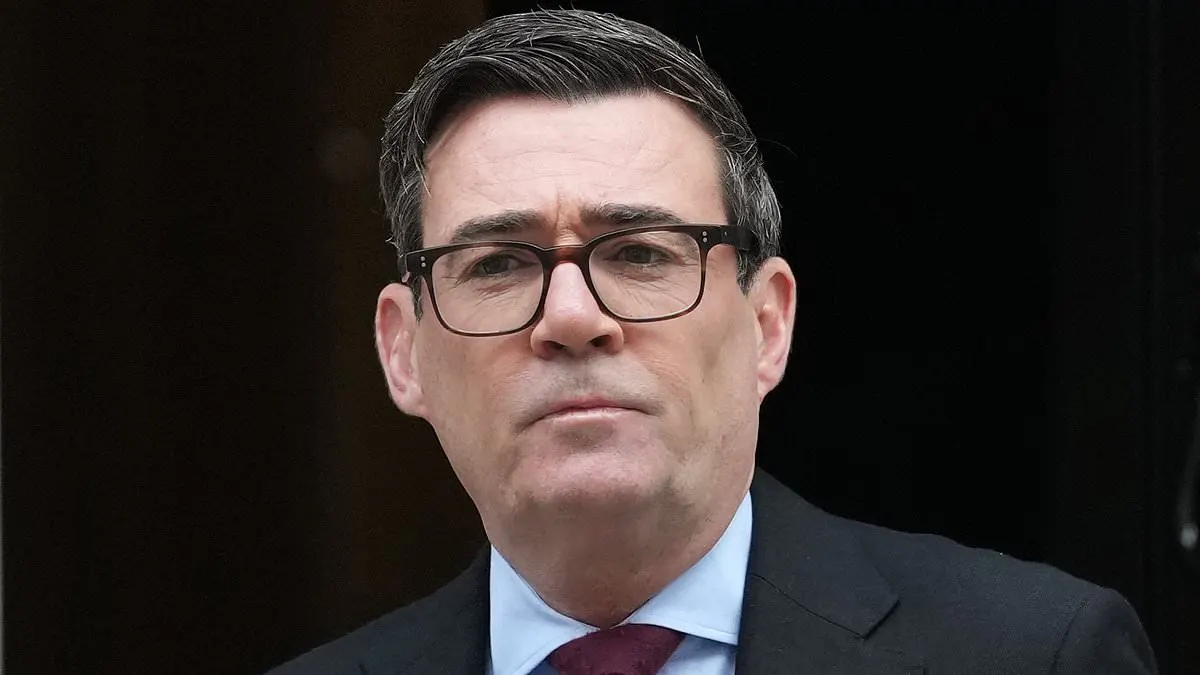
Ofgem’s energy price cap is due to rise by more than 26 per cent from 1 January, adding £443 a year to the average household bill. Labour has ruled out further winter support, prompting criticism from opposition leaders, unions and campaigners as many families face higher costs.
The annual cap for a typical household on a standard variable tariff will reach £2,166, its highest level since June 2023. The Government points to a £100 payment for people in council tax bands A to D and longer-term reforms, while polling cited in the article found only one in five people expected to manage the increase without cutting back.
In short
- Average bills are set to rise by £443 a year from January.
- Labour says it has no plans for more winter assistance.
- Polling suggests many households expect to cut back.
Steelman: both sides, in good faith
The strongest fair case each way — we don't pick a winner.
The case for
Labour’s decision to rule out further winter support can be defended as a response to limited public finances and a preference for targeted help over broad subsidies. The £100 payment for households in council tax bands A to D offers some immediate relief, while longer-term reforms may address energy costs more sustainably than repeated short-term payments.
The case against
With bills set to rise by £443 a year and polling suggesting many people will need to cut back, critics can argue that the existing payment is insufficient and leaves households facing acute hardship this winter. They see additional support as justified to protect people from unaffordable energy costs, and argue that longer-term reforms cannot ease the immediate pressure.