Labour peer claims royal family not doing ‘real work’ as £100m funding questioned
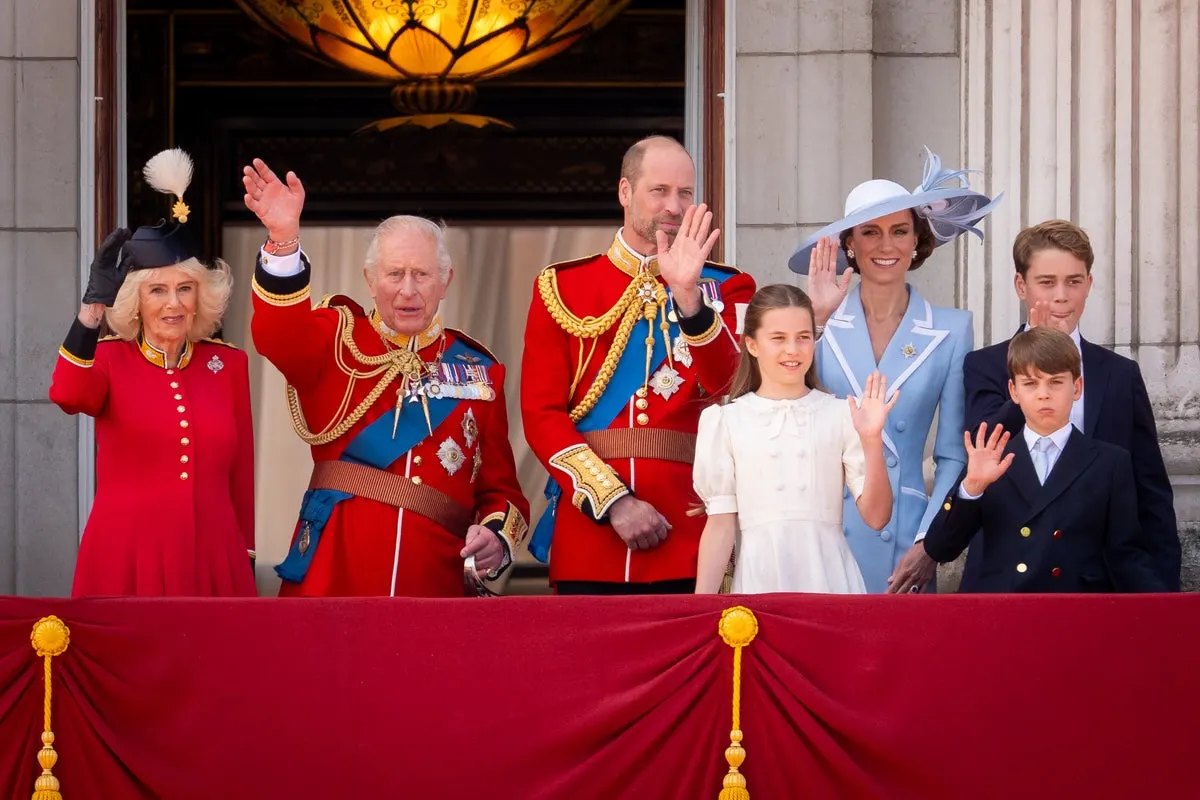
The House of Lords unanimously approved a £99.9 million Sovereign Grant for 2027-28, prompting Labour peers to call for a review of royal funding. The bill changes the rules so the grant can fall from one year to the next, and the reduced amount reflects the completion of major refurbishment work at Buckingham Palace.
Lord Foulkes argued that the monarchy does not offer value for money, criticising royal travel by private aircraft and helicopters and questioning the work carried out by most working royals. Lord Sikka called for reforms to how the grant is calculated and greater transparency. The grant is funded from a share of Crown Estate profits, with the remaining revenue going to the Exchequer.
- Lords approved £99.9 million for royal duties and palaces in 2027-28.
- Labour peers called for a review of royal funding and finances.
- The grant falls after Buckingham Palace refurbishment work was completed.
New here? Start with this
The Sovereign Grant is public funding used to support the official duties of the King and other working royals, including staff and upkeep of royal buildings. It is linked to profits from the Crown Estate, a collection of land and property whose income also provides revenue for the Exchequer.
The grant’s level is set through rules agreed by Parliament, and it can include money for major building work. Debate over the funding often centres on how much the monarchy costs, what official work it carries out and how clearly its spending is reported.
Both sides, in good faith
The strongest fair case each way — we don't pick a winner.
The case for
Supporters of reviewing royal funding argue that public money should be tied to clear evidence of public benefit, with transparent accounts and scrutiny of costs such as private air travel. They may also question whether the grant’s formula and the duties performed by working royals justify its scale, and favour rules that let funding fall when major projects end.
The case against
Defenders of the grant argue that it supports the monarchy’s official duties and the upkeep of historic royal estates, while its level is linked to Crown Estate profits rather than a direct tax allocation. They may contend that the royals’ public, diplomatic and ceremonial work provides value that is difficult to measure narrowly, and that the grant’s reduction after palace refurbishment shows funding can adjust to changing needs.